Do you ever feel like your mind just won’t stop racing? Maybe you’re lying in bed at night, replaying conversations from the day or worrying about tomorrow. Or perhaps you’ve noticed you’re more irritable, tired, or just not yourself lately.
You’re not alone. Millions of adults struggle with stress, anxiety, and low mood. The World Health Organization (WHO) reports that more than one billion people worldwide live with a mental health condition, yet many lack access to effective care. The good news? There are simple, accessible things you can do right now to support your mental health.
Self-care for mental health isn’t about bubble baths and face masks, although those can be nice too. It’s about taking intentional steps to protect and improve your emotional, psychological, and social well-being. According to the National Institute of Mental Health (NIMH), self-care means taking the time to do things that help you “live well” and improve both your physical and mental health.
In this guide, you’ll learn:
- What self-care for mental health really means
- Evidence-based practices that can reduce stress and boost your mood
- Simple activities you can start today
- When to seek professional help
Let’s explore how you can nurture your mind starting right now.
What Is Self-Care for Mental Health?
Self-care for mental health means taking intentional actions to protect and improve your emotional, psychological, and social well-being. The NIMH defines self-care as “taking the time to do things that help you live well and improve both your physical health and mental health.”
Mental health includes emotional, psychological, and social well-being. It’s more than just the absence of a mental illness; it’s essential to your overall health and quality of life. Self-care can play a role in maintaining your mental health and can also support your treatment and recovery if you have a mental illness.
The WHO defines self-care as “the ability of individuals, families, and communities to promote their own health, prevent disease, maintain health, and cope with illness.” Self-care actions are habits, things we can do to help look after ourselves and lead a healthier life.
Self-care looks different for everyone. What works for your friend might not work for you, and that’s okay. The key is finding what you need and what you enjoy. It may take some trial and error to discover what works best.
Why Self-Care for Mental Health Matters
You might wonder, does self-care really make a difference for mental health?
The answer is yes. Research consistently shows that self-care practices can significantly improve mental health outcomes.
It reduces stress and anxiety. The NIMH states that self-care can help you manage stress, lower your risk of illness, and increase your energy. Even small acts of self-care in your daily life can have a big impact.
It improves mood. Research shows that people who engage in consistent self-care practices experience lower anxiety, reduced depression, greater happiness, and stronger resilience. Many people begin noticing improvements in mood, energy, and stress levels within two to four weeks of consistently practicing new self-care habits.
It builds resilience. Self-care helps you build the emotional reserves you need to handle life’s challenges. According to the WHO, self-care builds resilience and helps people cope with life’s challenges.
It supports physical health. Your mental and physical health are deeply connected. The NIMH emphasizes that self-care can improve both your physical health and mental health.
It helps you show up better for others. As the American Psychological Association (APA) notes, the “put on your own oxygen mask first” principle applies to mental health too. To take care of others successfully, you have to take care of yourself first.
The Science Behind Self-Care and Mental Health
Scientific research strongly supports the benefits of self-care for mental health.
Mindful self-care and well-being: Research consistently demonstrates a positive association between mindful self-care and subjective well-being. Studies show that mindful self-care may be a potential strategy for managing anxiety, depression, and stress.
Structured routines and mental health: Research shows that people with structured routines have lower levels of anxiety and depression than people who live without routines. Daily routines also play a role in shaping lifestyle choices and behaviors. Benefits include improved sleep, increased productivity, less stress and anxiety, and good overall health.
Consistent healthy habits: Studies found that consistent healthy habits such as regular exercise and eating breakfast enhance psychological flexibility, which in turn strengthens mental resilience and helps individuals cope with stress.
Mindfulness interventions: Research shows that mindfulness-based interventions significantly reduce stress and burnout. Even self-administered mindfulness interventions have been shown to reduce self-reported short-term stress.
Self-compassion and self-care: Higher self-care practices are associated with improved perceptions of mental health. Self-care practices significantly increase self-compassion.
Physical Self-Care for Mental Health
Your body and mind are deeply connected. Taking care of your physical health is one of the most powerful ways to support your mental health.

Get Regular Exercise
The NIMH recommends getting regular exercise. Just 30 minutes of walking every day can boost your mood and improve your health. Small amounts of exercise add up, so don’t be discouraged if you can’t do 30 minutes at one time.
Physical activity is one of the most effective natural stress relievers. It helps regulate mood, reduce tension, and improve sleep. Whether you dance, do yoga, hike, or lift weights, physical movement benefits overall happiness and well-being.
Ideas to try:
- Take a 10-minute walk during your lunch break
- Try a yoga class or follow a video at home
- Dance to your favorite song
- Go for a bike ride
- Do gentle stretching in the morning
Prioritize Sleep
The NIMH advises making sleep a priority. Stick to a schedule, and make sure you’re getting enough sleep. Most adults need seven or more hours each night. Blue light from devices and screens can make it harder to fall asleep, so reduce blue light exposure from your phone or computer before bedtime.

Tips for better sleep:
- Go to bed and wake up at the same time every day
- Keep your bedroom cool, dark, and quiet
- Avoid screens for 30–60 minutes before bed
- Try a relaxing activity before sleep, like reading or deep breathing
Eat Well and Stay Hydrated
The NIMH recommends eating healthy, regular meals and staying hydrated. A balanced diet and plenty of water can improve your energy and focus throughout the day. Pay attention to your intake of caffeine and alcohol and how they affect your mood and well-being; for some, decreasing caffeine and alcohol consumption can be helpful.
Emotional Self-Care Practices
Caring for your emotions is essential for mental health. These practices can help you process feelings and build emotional resilience.
Practice Gratitude
The NIMH recommends practicing gratitude daily. Remind yourself of things you are grateful for, be specific, and write them down or replay them in your mind.

Simple gratitude practices:
- Write down three things you’re grateful for each day
- Share something you appreciate with a loved one
- Take a moment to notice small pleasures, like a warm cup of tea or a beautiful sunset
Journal Your Thoughts
The NIMH suggests keeping a journal as a way to cope with stress and anxiety. Writing helps you process emotions and gain clarity. Journaling to release lingering thoughts can clear your mind before bed.
Journaling ideas:
- Write freely about whatever is on your mind
- Use prompts like “What am I feeling right now?” or “What do I need today?”
- Write down three positive things that happened today
Practice Self-Compassion
Speak to yourself as you would a friend. Research shows that self-care practices significantly increase self-compassion. Be kind to yourself and avoid negative self-talk.

Identify and Challenge Negative Thoughts
The NIMH recommends identifying and challenging negative and unhelpful thoughts. When you notice a negative thought, ask yourself, “Is this thought helpful?” Is it true? What would I tell a friend in this situation?
Social Self-Care: Connecting with Others
Connection with others is a vital part of mental health. The NIMH advises staying connected by reaching out to friends or family members who can provide emotional support and practical help.
Why social connection matters:
- Talking to classmates, friends, and family are important strategies for self-care
- Keeping up regular social engagements can prevent a cycle of isolation and deeper depression
- Social support is a key factor in both physical and mental health

Ideas to stay connected:
- Call or video chat with a friend
- Join a club or community group
- Schedule regular time with loved ones
- Volunteer in your community
- Join an online community with shared interests
Mindfulness and Relaxation Techniques
Mindfulness helps you stay present and calm. These techniques can reduce stress and improve mental health.
Try Relaxation Exercises
The NIMH suggests downloading an app that provides relaxation exercises (such as deep breathing or visualization) or tips for practicing mindfulness. Mindfulness is a psychological process of actively paying attention to the present moment.
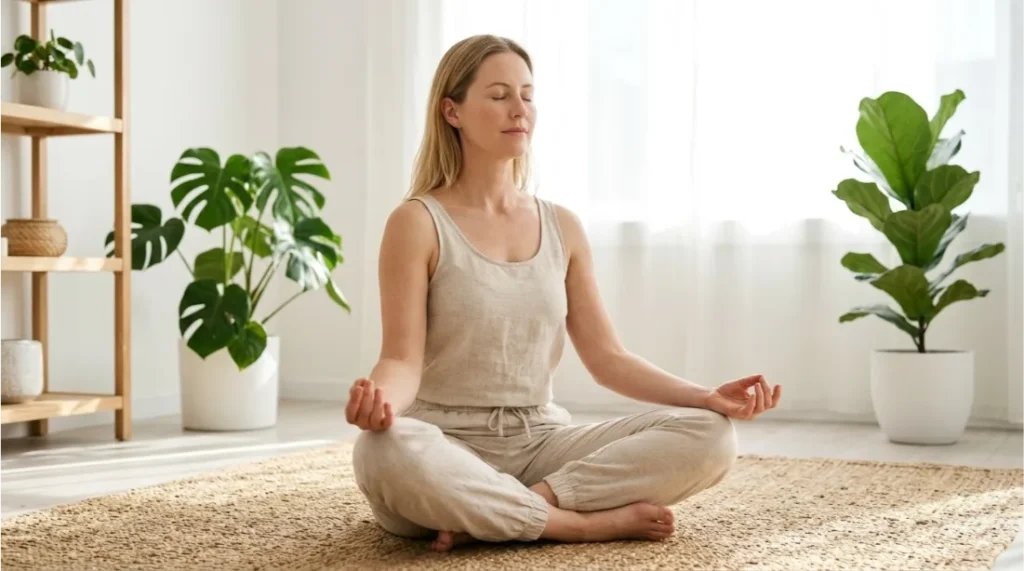
Simple mindfulness practices:
- Deep breathing: Breathe in slowly for four counts, hold for four, exhale for six. Repeat several times.
- Box breathing: The NIMH recommends box breathing, taking a slow breath in and out, holding for a couple of seconds before repeating.
- Body scan: Notice how your body feels from head to toe.
- Guided visualization: The NIMH offers guided visualization exercises to help you feel more relaxed and calm when you are feeling stressed out.
Schedule Time for Relaxation
The NIMH recommends scheduling regular times for healthy activities you enjoy, such as listening to music, reading, spending time in nature, and engaging in low-stress hobbies.
Mental Self-Care: Nurturing Your Mind
Caring for your mind involves activities that stimulate and challenge you in positive ways.
Set Goals and Priorities
The NIMH advises setting goals and priorities. Decide what must get done now and what can wait. Learn to say “no” to new tasks if you start to feel like you’re taking on too much. Try to appreciate what you have accomplished at the end of the day.
Engage in Low-Stress Hobbies
The NIMH recommends engaging in low-stress hobbies. Dedicate some time each week for activities you enjoy, such as reading, knitting, gardening, painting, photography, or playing a musical instrument.
Take Breaks from Screens
Almost half of American adults report being online almost constantly, which has been linked to sleep issues, stress, depression, and anxiety. Set boundaries around screen time, especially before bed.
Environmental Self-Care
Your environment affects your mood and well-being. Creating a nurturing space can support your mental health.

Simple environmental changes:
- Spend time in nature; even a few minutes outdoors can reduce stress
- Make your home a comfortable and calming space
- Add plants to your home they improve air quality and mood
- Open curtains to let in natural light
- Declutter one small area a tidy space can help you feel calmer
- Create a cozy corner for relaxation
How to Build a Mental Health Self-Care Routine
Building a mental health self-care routine takes intention and consistency. Here’s how to get started.
Start small. Choose just one or two practices to begin with. Even small acts of self-care in your daily life can have a big impact.
Be consistent. Consistency matters more than duration. A few minutes each day is more effective than an hour once a month.
Make it enjoyable. Choose activities you actually like. Self-care should feel nourishing, not like a chore.
Try different things. Self-care looks different for everyone, and it’s important to find what you need and enjoy. It may take some trial and error to discover what works best for you.
Schedule it. Put self-care in your calendar like any other important appointment.
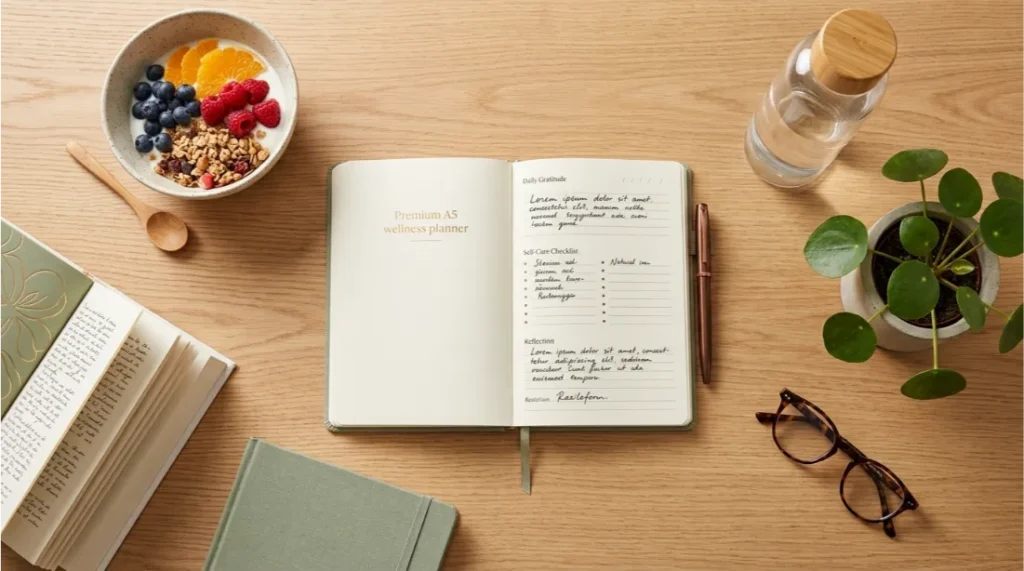
Be kind to yourself. If you miss a day, don’t give up. Just start again tomorrow.
Track your progress. Notice how you feel when you practice self-care regularly. Many people notice improvements in mood, energy, and stress levels within two to four weeks.
Common Self-Care Mistakes to Avoid
Mistake 1: Thinking self-care is selfish. The APA reminds us that putting on your own oxygen mask first isn’t selfish; it’s necessary. Self-care helps you show up better for others.
Mistake 2: Making it too complicated. Self-care doesn’t have to be elaborate. Simple acts like deep breathing or a short walk count.
Mistake 3: Being inconsistent. Doing self-care once in a while doesn’t produce the same benefits as regular practice.
Mistake 4: Ignoring your preferences. Self-care should reflect what you enjoy. Copying someone else’s routine won’t work if it doesn’t resonate with you.
Mistake 5: Waiting until you’re burned out. Self-care is most effective when it’s proactive, not reactive.
Expert Tips for Sustainable Self-Care
Find stress-busting strategies that work for you. The APA advises finding strategies that work for you personally. What helps one person may not help another.
Rely on your social support. Talking to others is an important strategy for self-care. Stay in touch with friends and colleagues.
Strive for balance. Your life isn’t just about work or obligations. The APA recommends scheduling time each day for exercise and protecting one night a week for activities with friends or family.
Recognize the symptoms of stress. The APA advises recognizing signs of stress, which can include significant changes in mood, appetite, energy, and sleep. If you observe these changes in yourself, seek professional assistance.
Seek out healthy role models. Find mentors who demonstrate healthy self-care behaviors. Learn their strategies for work-life balance.
When to Seek Professional Help
Self-care is important, but it’s not a substitute for professional mental health care. The NIMH advises seeking professional help if you are experiencing severe or distressing symptoms that have lasted two weeks or more.
Signs you may need professional help:
- Difficulty sleeping
- Changes in appetite or unplanned weight changes
- Difficulty getting out of bed in the morning because of mood
- Difficulty concentrating
- Loss of interest in things you usually find enjoyable
- Inability to complete usual tasks and activities
- Feelings of irritability, frustration, or restlessness
If you notice these signs, reach out to a mental health professional. The WHO has developed psychological self-help interventions like Step-by-Step and Doing What Matters in Times of Stress, which are evidence-based tools that can help people manage stress and mental health symptoms independently or with minimal support.
Frequently Asked Questions
1. What is self-care for mental health?
Self-care for mental health means taking intentional actions to protect and improve your emotional, psychological, and social well-being. The NIMH defines it as taking time to do things that help you “live well” and improve both your physical and mental health.
2. Can self-care really improve mental health?
Yes. Research shows that people who engage in consistent self-care practices experience lower anxiety, reduced depression, greater happiness, and stronger resilience. Many people notice improvements in mood and stress levels within two to four weeks.
3. What are the best self-care activities for mental health?
The best activities are ones you enjoy. The NIMH recommends exercise, healthy eating, adequate sleep, relaxation activities like meditation or deep breathing, practicing gratitude, staying connected with others, and engaging in low-stress hobbies.
4. How much exercise do I need for mental health?
The NIMH recommends just 30 minutes of walking every day to boost your mood and improve your health. Small amounts of exercise add up.
5. How can I practice self-care when I’m busy?
Even small acts of self-care can have a big impact. Try five-minute resets like deep breathing, stretching, or stepping outside. Combine self-care with existing habits, like practicing gratitude while brushing your teeth.
6. Does sleep affect mental health?
Yes. The NIMH emphasizes making sleep a priority. Adults need seven or more hours of sleep per night. Poor sleep is linked to increased stress, anxiety, and depression.
7. What does the NIMH say about self-care?
The NIMH says self-care means taking time to do things that help you live well and improve both your physical and mental health. It can help you manage stress, lower your risk of illness, and increase your energy.
8. What does the WHO say about self-care?
The WHO defines self-care as “the ability of individuals, families, and communities to promote their own health, prevent disease, maintain health, and cope with illness.” Self-care actions are habits that help us lead healthier lives.
9. When should I seek professional help for my mental health?
The NIMH advises seeking professional help if you experience severe symptoms that have lasted two weeks or more, including difficulty sleeping, changes in appetite, difficulty concentrating, loss of interest in activities, or inability to complete usual tasks.
10. Is self-care selfish?
No. The APA reminds us that to take care of others successfully, you have to take care of yourself first. Self-care helps you show up better for the people in your life.
Key Takeaways
- Self-care for mental health means taking intentional actions to protect your emotional, psychological, and social well-being
- Research shows regular self-care reduces stress, anxiety, and depression
- The NIMH and WHO both emphasize the importance of self-care for mental health
- Key practices include exercise, sleep, healthy eating, mindfulness, gratitude, and social connection
- Even small acts of self-care can have a big impact
- Self-care isn’t selfish; it helps you show up better for others
- Seek professional help if you experience severe or persistent symptoms
Conclusion
Your mental health matters. It’s not just about the absence of mental illness; it’s about feeling good, functioning well, and living a life that has meaning and purpose. Self-care for mental health is one of the most powerful tools you have to protect and nurture your mind.
The NIMH reminds us that self-care means taking the time to do things that help you live well and improve both your physical health and mental health. Even small acts of self-care in your daily life can have a big impact.

The WHO defines self-care as the ability to promote your own health, prevent disease, and cope with illness. Research shows that people who engage in consistent self-care practices experience lower anxiety, reduced depression, and greater happiness.
Start with one practice from this guide today. Just one. Take a 10-minute walk. Write down three things you’re grateful for. Call a friend. Take five deep breaths.
Small actions, repeated consistently, create meaningful change. You deserve to feel your best. And the best part? It starts with simple choices you can make right now.
Ready to Nurture Your Mental Health?
Choose one self-care practice from this guide and commit to it for the next seven days. Write it down, put it in your calendar, and notice how you feel. Your future self will thank you.
Medical Disclaimer
The information provided in this article is for educational and informational purposes only and is not intended as medical advice. Always consult with a qualified healthcare provider regarding any health concerns. This content does not replace professional medical advice, diagnosis, or treatment. If you are experiencing a mental health crisis, please contact a mental health professional immediately.

I’m Qaisar Iqbal, a professional content writer with a passion for creating clear, engaging, and informative content. I specialize in writing well-researched articles that simplify complex topics and provide readers with accurate, practical, and easy-to-understand information.
Thank you for reading my work. I’m committed to creating content that is trustworthy, helpful, and enjoyable to read.