Do you ever feel like you’re running on empty? Maybe you’re juggling work, family, and endless responsibilities. By the end of the day, there’s nothing left for you. The idea of “self-care” might sound like another thing on your to-do list, something that requires time, money, or energy you simply don’t have.
But here’s the truth: self-care doesn’t have to be complicated or expensive. You don’t need a spa day or a weekend getaway. Some of the most powerful self-care practices are simple, free, and can be done right in your own home or during your daily routine.
The World Health Organization (WHO) defines self-care as “the ability of individuals, families, and communities to promote and maintain their own health, prevent disease, and cope with illness.” It includes healthy practices, habits, and lifestyle choices such as eating a healthy diet, being physically active, getting enough sleep, and connecting with others.
Research shows that regular, quality self-care has been shown to improve mental health, enhance self-esteem and self-worth, increase optimism, and lessen symptoms of anxiety and depression. It can also help build resilience so you’re better able to handle life’s many stressors and challenges.
In this guide, you’ll discover simple self-care activities organized by category, the benefits of regular self-care, and practical tips to make self-care a consistent part of your life.
Let’s explore how you can nurture yourself starting today.
What Are Self-Care Activities for Adults?
Self-care activities for adults are intentional actions you take to preserve and improve your physical, mental, and emotional well-being. They’re about doing things that will benefit you now and in the future.
Self-care isn’t always about pampering yourself (although it can include that). It’s about taking care of yourself. Self-care activities can be personal and unique to each person as long as they are something you enjoy and that help you feel good.
The WHO recognizes self-care as recognizing people as active agents in managing their own health care through lifestyle choices and interventions. Self-care doesn’t replace the health system but complements it.

The best part? Self-care doesn’t have to take a long time, and it doesn’t have to cost money. Often, the most restorative habits are the ones that fit effortlessly into our lives. As one expert puts it, “A regular self-care routine will lower stress, anxiety, and depression and improve your mood, energy, sleep, and productivity.”
Why Self-Care Activities Matter
You might wonder, why are self-care activities so important for adults?
They reduce stress. Engaging in relaxing activities can help lower stress levels. Activities that bring joy and pleasure can boost your mood and outlook.
They improve mental health. Regular, quality self-care has been shown to improve mental health, enhance self-esteem and self-worth, increase optimism, and lessen symptoms of anxiety and depression.
They build resilience. Self-care helps you build resilience so you’re better able to handle life’s many stressors and challenges.
They help you show up better for others. Self-care has benefits beyond ourselves because it helps us show up better for others too.
They support physical health. Self-care activities like exercise, healthy eating, and adequate sleep support your physical health and can reduce the risk of chronic disease.
They’re backed by research. The CDC notes that “your self-care is your health care.” The WHO recognizes self-care as essential for health and well-being.
Benefits of Self-Care for Adults
A consistent self-care practice offers numerous benefits:
Mental Health Benefits:
- Reduced stress and anxiety
- Improved mood and outlook
- Enhanced self-esteem and self-worth
- Increased optimism
- Lessened symptoms of anxiety and depression
- Greater emotional regulation
Physical Health Benefits:
- Better sleep quality
- Increased energy
- Stronger immune system
- Reduced risk of chronic disease
- Improved overall health
Social Benefits:
- Improved relationships
- Greater connection with others
- Enhanced ability to set boundaries
Professional Benefits:
- Increased productivity
- Better focus and concentration
- Enhanced creativity
As the Canadian Mental Health Association notes, “Self-care is intentional and enriches our lives. It has benefits beyond us because it helps us show up better for others too.”
Types of Self-Care Activities
Self-care isn’t one-size-fits-all. Different areas of your life require different types of care. Here are the main types to consider:
Physical Self-Care:
Activities that support your body’s health: eating well, exercising, getting enough sleep, and prioritizing your health.
Mental Self-Care:
Activities that stimulate and care for your mind are being creative, working on mindfulness, and learning and trying new things.
Emotional Self-Care:
Activities that help you process and express feelings, practicing self-compassion and acceptance, and creating space to express how you feel.
Social Self-Care:
Activities that nurture healthy relationships: nurturing relationships and spending quality time with friends and family.
Spiritual Self-Care:
Activities that connect you with something larger than yourself: spending time in nature, meditating, practicing religion, anything that feeds your soul.
Quick Self-Care Activities
Sometimes you only have a few minutes. These quick resets can help you recharge during a busy day.
- Take five deep breaths. Inhale for four counts, hold for four, exhale for six. This simple practice calms your nervous system.
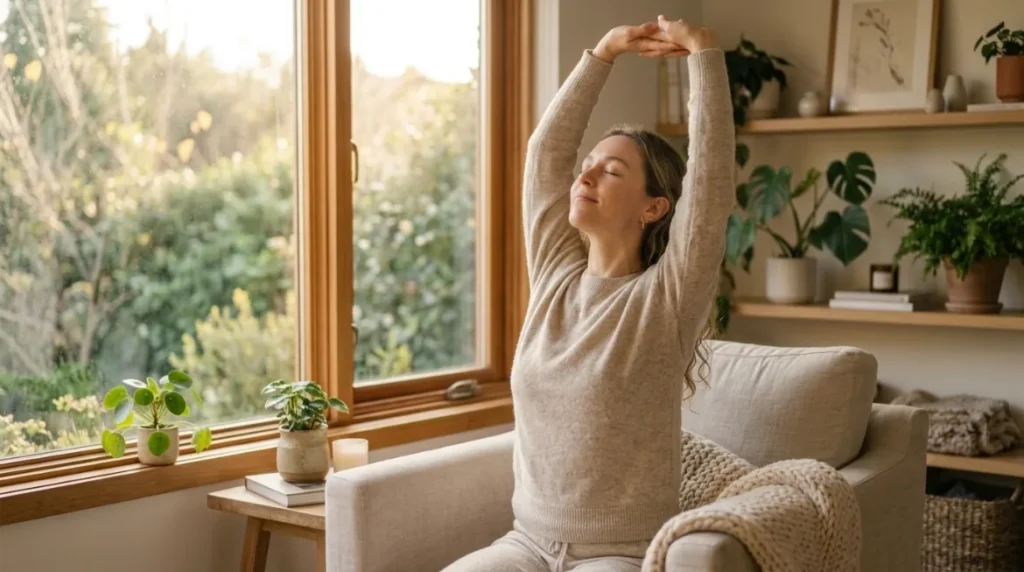
- Stretch for two minutes. Reach for the ceiling, roll your shoulders, and gently twist your spine.
- Drink a glass of water. Hydration is one of the simplest forms of self-care.
- Step outside for fresh air. Being in nature, even if it’s just your backyard, can help relax your mind and slow down negative or anxious thoughts.
- Try the grounding technique. Notice five things you can see, four you can touch, three you can hear, two you can smell, and one you can taste.
- Listen to one song that makes you happy. Music can quickly shift your mood.
- Practice a one-minute gratitude exercise. Write down or think of three things you’re grateful for today.
- Do a quick movement break. Take a minute to stretch or take a quick walk around your office.
- Practice a one-minute meditation. UCLA Mindful offers free guided meditations for getting started.
- Take a moment to do nothing. In a culture that prizes productivity, simply being still for a moment can be restorative.
Physical Self-Care Activities
Caring for your body is a fundamental part of self-care. The CDC recommends moving more and sitting less. Adults need at least 150 minutes of moderate-intensity aerobic activity every week, plus muscle-strengthening activities at least two days a week.

- Go for a walk. Walking, biking, or hiking are excellent ways to move your body and clear your mind.
- Try an at-home workout. Search for no-equipment workout videos on YouTube.
- Dance to your favorite song. Cardio doesn’t have to look like jogging or gym time; find an activity that looks like fun.
- Do gentle stretching or yoga. Morning sessions of yoga may improve mood and sleep quality.
- Take a warm bath. Run yourself a bath and take some time to enjoy it.
- Get enough sleep. Adults need 7 or more hours per night. Set yourself a bedtime and stick to it.
- Stay hydrated. Carry a bottle of water with you wherever you go.
- Eat a healthy diet. Eat healthy, regular meals and stay hydrated.
- Try an at-home face mask. Pamper your skin with an at-home treatment.
- Spend time in nature. Forest bathing, stargazing, cloud watching, or simply sitting under a tree and reading or journaling.
Mental and Emotional Self-Care Activities
Caring for your mind is just as important as caring for your body.
- Journal regularly. Writing helps you process emotions and gain clarity.
- Practice gratitude. Take a few minutes to write down three things you’re grateful for today.
- Practice positive affirmations. Speak to yourself as you would a friend or a loved one.
- Meditate. Try a meditation practice; even five minutes can reduce anxiety.
- Read a book for pleasure. Reading can transport you and reduce stress.
- Practice self-compassion. Be kind to yourself and don’t say negative things about yourself or your body.
- Take a break from screens. Put your phone on “Do Not Disturb” for an hour. Almost half of American adults report being online almost constantly, which has been linked to sleep issues, stress, depression, and anxiety.
- Do a “brain dump.” Write down everything on your mind to clear mental clutter.
- Practice “taking in the good.” Instead of immediately moving on to the next thing, take a few moments to relish the feeling of accomplishment.
- Laugh from the bottom of your heart. Laughter can relax muscles and reduce cortisol.
Creative Self-Care Activities
Creativity can be deeply nourishing. These activities allow you to express yourself and find joy.
- Draw, paint, or color. You don’t need to be an artist; just enjoy the process.
- Try a new recipe. Learn to cook your favorite meals.
- Do crafts. Knitting, crocheting, embroidery, or making jewelry can be meditative.
- Write poetry or stories. Creative writing can be therapeutic.
- Play a musical instrument. Music can be a powerful form of self-expression.
- Garden. Join a community garden or tend to indoor plants.
- Photography. Use your phone to capture beautiful moments.
- Pick up an old hobby. Find a hobby you stopped doing because life got too busy.
Social Self-Care Activities
Connection with others is a vital part of well-being.

- Call or video chat with a friend. Connection reduces feelings of isolation.
- Spend time with loved ones. Spend time with people who lift you up.
- Spend quality time with pets. Snuggle with pets.
- Connect with other busy adults. Look for naturally occurring opportunities in your day to make a connection.
- Join a community. Join a community garden or an adult kickball team.
- Write a letter to someone you care about. A handwritten note can be meaningful.
- Share a meal with family. Eating together fosters connection.
- Practice active listening. Being present for someone else is a form of connection.
- Get professional support when you need it. Get professional mental and physical therapy when you need it.
- Express gratitude to someone. Let them know you appreciate them.
Environmental Self-Care Activities
Your environment affects your mood and well-being.
- Declutter one area. A tidy space can help you feel calmer.
- Add a plant to your home. Plants improve air quality and mood.
- Open your curtains. Natural light boosts mood and energy.
- Light a candle. Scent can be calming and comforting.
- Play soothing music. Create a calming atmosphere.
- Make your bed. A tidy bedroom promotes restful sleep.
- Create a cozy corner. Designate a space for relaxation.
- Display photos that make you happy. Surround yourself with positive memories.
- Make your workspace a nice place to be. Add a lovely plant or a framed picture.
- Keep your space clean. A clean home can reduce stress.
Mindfulness and Relaxation Activities
These activities help you stay present and calm.
- Practice deep breathing. Get comfortable, set a timer for one minute, and breathe slowly and deeply.
- Try guided meditation. Apps like UCLA Mindful and Healthy Minds Program offer free guided meditations.
- Spend time in nature. Being outdoors can ease symptoms of stress and anxiety and help you feel happier and healthier.
- Practice mindful eating. Eat mindfully and savor each bite.
- Start a tea ritual. Start a tea ritual.
- Take a break from technology. Have an “unplug” day where you don’t use electronics.
- Practice gratitude daily. The CDC recommends practicing gratitude daily.
- Do a body scan meditation. Notice how your body feels from head to toe.
- Practice being still. Sit quietly and just be present.
- Take a color walk. Even if walking is already part of your routine, try noticing colors around you.
Self-Care Activities for Busy Adults
When you’re busy, self-care can feel impossible. But even small moments count.
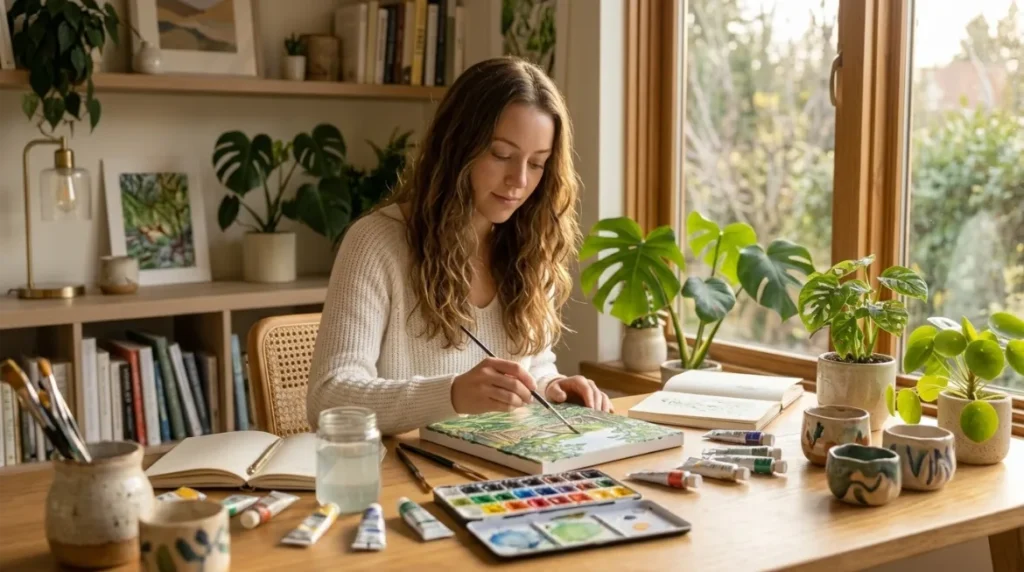
Turn routine activities into self-care microdoses. Everyday activities like housework, errands, and commuting can multitask as self-care. Listen to an audiobook or upbeat playlist while folding laundry.
Take in the good. Instead of immediately moving on to the next thing, take a few moments to relish the feeling of accomplishment.
Make a connection. Look for naturally occurring opportunities in your day to connect with others.
Try a simple gratitude exercise. Take a few minutes to write down three things you’re grateful for today.
Take a movement break. Take a minute to stretch or take a quick walk around your office.
Do nothing. In a culture that prizes productivity, it’s easy to dismiss the value of simply being still.
Set boundaries. Set and honor healthy boundaries like screen-time limits and sticking to regular work hours.
Start small. Even five minutes of self-care can help reduce stress and avoid burnout.
Schedule it. Put self-care in your calendar like any other important appointment.
Be kind to yourself. If you miss a day, don’t give up; just start again tomorrow.
How to Build a Self-Care Routine
Building a self-care habit takes intention and consistency.
Start small. Choose just one or two activities to begin with.
Be consistent. A few minutes each day is more effective than an hour once a month.
Make it enjoyable. Choose activities you actually like. Self-care should feel nourishing, not like a chore.
Create a routine. Incorporate self-care into your existing daily schedule.
Try different things. Try out different things to learn what works best for you.
Set goals and priorities.
Make sleep a priority. Stick to a schedule.
Seek support. Seek out support from others, even if it’s online or via a phone call.
Remember why it matters. Self-care helps you show up better for others too.
Common Self-Care Mistakes to Avoid
Mistake 1: Thinking self-care is selfish. Caring for ourselves is simply making time to do things that improve both our physical and mental health.
Mistake 2: Making it too complicated. Self-care doesn’t have to be an hour-long massage or meditation session.
Mistake 3: Being inconsistent. Self-care works best when it is practiced consistently.
Mistake 4: Waiting until you’re burned out. Self-care is proactive and deliberate.
Mistake 5: Ignoring your preferences. There’s no one-size-fits-all when it comes to self-care.
Mistake 6: Not setting boundaries. Self-care is also about not doing certain things.
Expert Tips for Sustainable Self-Care
Find what works for you. Self-care is personal. As long as it’s something you do for yourself to enhance your well-being, it counts.
Make time for hobbies and leisure activities. Dedicate some time each week for hobbies and leisure activities you enjoy, such as reading, knitting, gardening, painting, photography, or playing a musical instrument.
Get regular physical activity. Just 30 minutes of walking every day can boost your mood and improve your health.
Prioritize sleep. Make sleep a priority and stick to a schedule.
Eat healthy, regular meals and stay hydrated.
Connect with others. Spend time with people who lift you up.
Practice gratitude daily.
Take time to unwind. Take deep breaths, stretch, or meditate.
Remember that rest doesn’t need to be earned.
What the Research Says
Scientific research strongly supports the benefits of self-care for adults:
Mental Health: Regular, quality self-care has been shown to improve mental health, enhance self-esteem and self-worth, increase optimism, and lessen symptoms of anxiety and depression. It can also help build resilience.
Stress Reduction: A regular self-care routine will lower stress, anxiety, and depression and improve your mood, energy, sleep, and productivity.
Physical Health: Adults need at least 150 minutes of moderate-intensity aerobic activity every week, plus muscle-strengthening activities at least two days a week. Adults need 7 or more hours of sleep per night.
Well-Being: The WHO emphasizes that self-care recognizes people as active agents in managing their own health care. Self-care actions include eating a healthy diet, being physically active, getting enough sleep, and connecting with others.
Resilience: Self-care helps you build resilience so you’re better able to handle life’s many stressors and challenges.
Social Connection: Connecting with others boosts your mood, relieves stress, and provides a sense of community.
Real-Life Self-Care Examples
The Busy Professional
A marketing manager with a demanding job started taking five-minute movement breaks during her workday. She does shoulder rolls and stretches at her desk and takes a quick walk around the office. She noticed improved focus and less afternoon fatigue.
The New Parent
A mother of a young child began practicing gratitude each evening, writing down three good things from her day. She found she felt more optimistic and less overwhelmed.
The College Student
A university student started a meditation practice using a free app. She discovered she felt calmer and more focused during exams.
The Empty Nester
A retiree joined a community garden and started spending time outdoors daily. She reported feeling happier and more connected to her community.
Self-Care Myths vs. Facts
| Myth | Fact |
| Self-care is selfish | Self-care helps you show up better for others |
| Self-care requires money | Many self-care practices are completely free |
| Self-care takes too much time | Even five minutes makes a difference |
| Self-care is only for people with mental health issues | Self-care benefits everyone |
| Self-care is always relaxing | Some self-care (like exercise) can be challenging but still beneficial |
| You need a spa day for self-care | Everyday activities can be self-care |
Frequently Asked Questions
1. What are the best self-care activities for adults?
The best self-care activities are ones you actually enjoy. Start with simple practices like drinking water, taking deep breaths, reading a book, or taking a walk. Experiment to find what works for you.
2. How can I practice self-care when I’m busy?
Even five minutes counts. Try quick resets like deep breathing, stretching, or stepping outside. Turn routine activities like commuting or housework into self-care by listening to an audiobook or podcast.
3. Do I need to spend money on self-care?
No. Many self-care practices are completely free deep breathing, stretching, journaling, walking, and connecting with loved ones cost nothing.
4. What does the CDC recommend for self-care?
The CDC recommends making time to unwind, taking deep breaths, stretching or meditating, keeping a journal, practicing gratitude daily, getting enough sleep, and eating healthy foods. The CDC also emphasizes that “your self-care is your health care”.
5. What does the World Health Organization say about self-care?
WHO defines self-care as “the ability of individuals, families, and communities to promote and maintain their own health, prevent disease, and cope with illness.” It includes healthy practices like eating well, being active, getting enough sleep, and connecting with others.
6. How do I make self-care a daily habit?
Start small with one or two practices. Be consistent and choose activities you enjoy. Try out different things to learn what works best for you. Schedule self-care like any other important appointment.
7. Can self-care really reduce stress?
Yes. Research shows that regular self-care practices can significantly lower stress levels. A regular self-care routine will lower stress, anxiety, and depression and improve your mood, energy, sleep, and productivity.
8. What if I don’t enjoy the self-care activities I’ve tried?
Experiment until you find what works for you. Self-care should feel nourishing, not like a chore. There’s no one-size-fits-all when it comes to self-care.
Key Takeaways
- Self-care activities for adults are intentional actions that support your physical, mental, and emotional well-being
- Research shows regular self-care reduces stress, improves mental health, and builds resilience
- The WHO and CDC both emphasize the importance of self-care for health and well-being
- Even five minutes of self-care can make a meaningful difference
- Self-care doesn’t require money or large blocks of time
- Start small with one or two activities and build gradually
- Choose activities you actually enjoy
- Self-care isn’t selfish it helps you show up better for others
Conclusion
Self-care doesn’t have to be complicated, expensive, or time-consuming. Some of the most powerful practices are simple, free, and can be done in just a few minutes. Whether it’s taking five deep breaths, drinking a glass of water, reading a book, or calling a friend, every small act of self-care matters.
The WHO reminds us that self-care recognizes people as active agents in managing their own health care. The CDC emphasizes that “your self-care is your health care.” Research shows that regular, quality self-care improves mental health, enhances self-esteem, increases optimism, and lessens symptoms of anxiety and depression.
Start with one activity from this guide today. Just one. Drink that glass of water. Take those five deep breaths. Step outside for a moment of fresh air. Write down three things you’re grateful for.
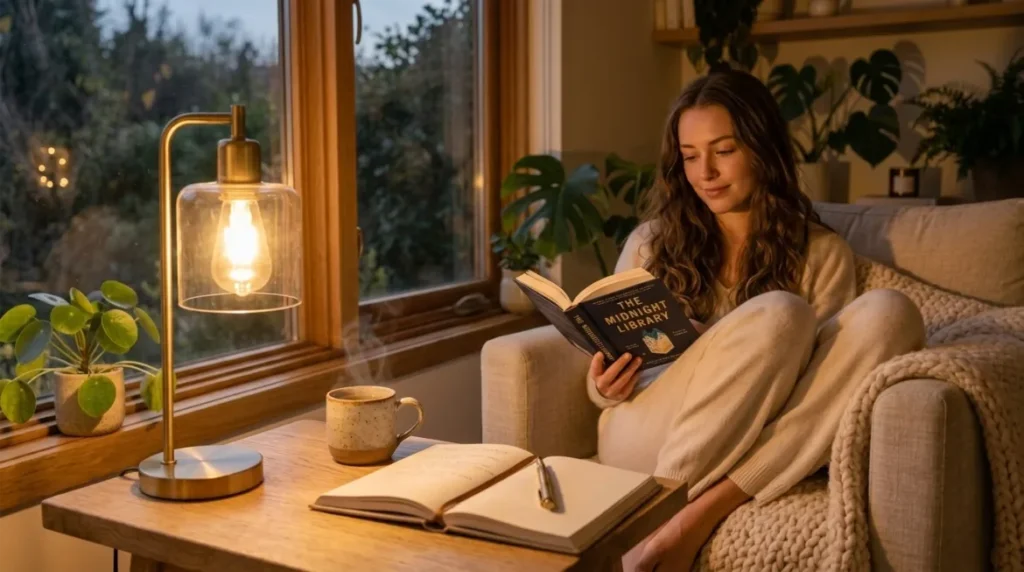
Small actions, repeated consistently, create meaningful change. You deserve to feel your best. And the best part? It starts with simple choices you can make right now.
Ready to Start Your Self-Care Journey?
Choose one self-care activity from this guide and commit to it for the next seven days. Write it down, put it in your calendar, and see how you feel. Your future self will thank you.
Medical Disclaimer
The information provided in this article is for educational and informational purposes only and is not intended as medical advice. Always consult with a qualified healthcare provider regarding any health concerns. This content does not replace professional medical advice, diagnosis, or treatment.

Hi, I’m Noah Richardson, the content writer behind LaxiBoost. I write about self-care and personal well-being to help people build healthier and more balanced lives. My goal is to turn trusted information, easy-to-follow advice that anyone can apply in daily life.
I believe self-care is more than an occasional activity it’s a lifelong habit that supports both mental and physical well-being. Through my articles, I share simple strategies, practical tips, and research-based insights to help you reduce stress, improve your daily routine, and take better care of yourself with confidence.
Thank you for reading LaxiBoost. I hope my content helps you create healthier habits and enjoy a happier, more balanced lifestyle.