Do you ever lie awake at 2:00 AM while your mind races through every task you forgot to finish? You are likely juggling work, family, and daily responsibilities, constantly putting everyone else’s needs first until you have zero energy left for yourself.
When stress remains high over time, it drains your emotional well-being and disrupts your sleep habits. It is easy to assume you are just bad at managing life. However, research suggests that chronic stress keeps your nervous system on high alert, making even small tasks feel completely overwhelming.
The good news is that restoring calm does not require hours of free time or an expensive retreat. Practicing meditation for anxiety can help ground your mind using small, manageable steps that easily fit into a busy day.
In this guide, you will learn:
- How meditation for anxiety reshapes your response to stress
- Quick mindfulness techniques you can practice anywhere in 5 minutes
- A simple step-by-step routine to build a consistent healthy mindset
- Common mistakes that hinder progress—and how to fix them easily
Let’s explore how a few minutes of daily stillness can bring lasting balance back to your life.
Core Article Body
1. What Is Meditation for Anxiety?
Meditation for anxiety is a practical technique that trains your brain to focus on the present moment rather than worrying about the future. It gives your mind a peaceful anchor when racing thoughts begin to overwhelm your personal well-being.
Unlike general relaxation, mindfulness meditation teaches you to observe uncomfortable feelings without judging them. Research suggests this practice lowers physical stress markers, allowing your nervous system to return to a balanced state.
Key Takeaway: Meditation does not stop thoughts from occurring. Instead, it changes how you react to them so they lose their power to trigger worry.
2. Why It Matters Today
Modern life moves faster than ever before. Notifications, busy schedules, and daily pressures leave many people stuck in a constant “fight-or-flight” response. Over time, this emotional strain damages your healthy lifestyle and disrupts your work-life balance.
When stress becomes a daily habit, your brain stays hyper-vigilant. Practicing mindfulness offers a necessary reset button, allowing you to pause, recharge, and maintain a healthy mindset despite surrounding busy environments.
3. Key Health & Lifestyle Benefits
Incorporating mindfulness into your healthy routine offers proven physical and mental advantages:
- Soothes the Nervous System: Evidence indicates that deep, focused breathing slows your heart rate and reduces stress hormones like cortisol.
- Improves Sleep Quality: Calming your mental activity before bed supports restorative sleep habits, helping you wake up refreshed.
- Enhances Emotional Resilience: Regular sessions strengthen your ability to manage stress calmly rather than reacting with fear.
- Sharpens Daily Focus: Taking short mental breaks improves attention span and supports better work-life balance.
4. Common Types of Meditation for Anxiety
Different styles suit different personality types and stress levels. Finding what works best for your wellness journey is key.
Mindfulness Meditation
This approach involves focusing your attention on your breath or physical sensations. When your mind drifts toward worry, you gently acknowledge the thought and return your focus to the present.
Guided Imagery & Visualization
Guided sessions use calm spoken prompts to help you picture peaceful scenes, such as a quiet beach or forest path. This method is ideal for beginners who find quiet silence challenging.
Body Scan Technique
A body scan invites you to mentally check in with yourself from head to toe. You pay attention to areas holding tightness, like your shoulders or jaw, and consciously invite muscle relaxation techniques.
Box Breathing & Breathwork
This simple exercise involves inhaling, holding your breath, exhaling, and holding again for equal counts of four. It instantly regulates your physical rhythm during acute moments of worry.
5. Step-by-Step Action Plan to Start Today
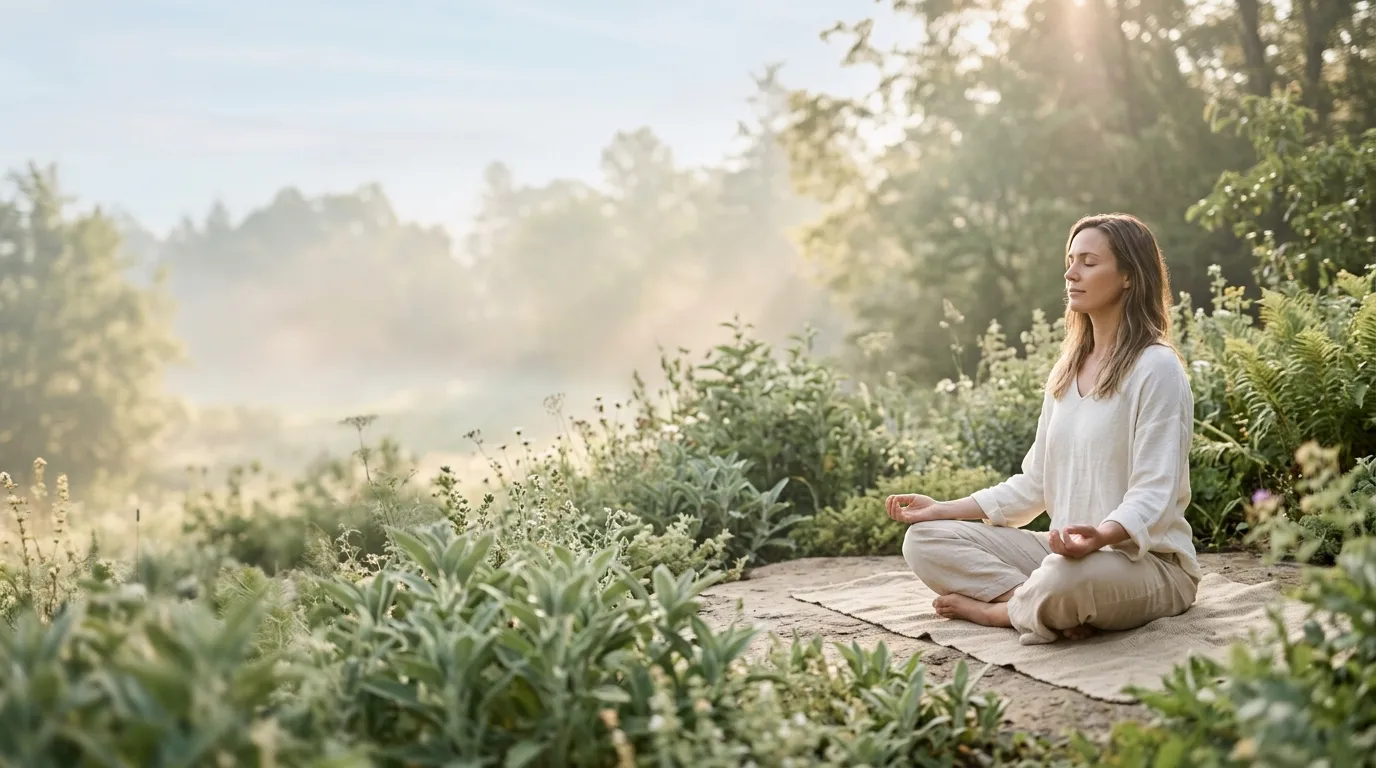
You do not need an elaborate setup or quiet mountain top to begin. Follow this realistic plan to start practicing today:
1.Choose a Quiet Spot:2 Minutes.
Find a comfortable, quiet space where you won’t be interrupted. Sit in a chair or on a cushion with a relaxed, upright posture.
2.Set a Realistic Timer:3-5 Minutes.
Start small. Set a gentle timer for just 3 to 5 minutes so you feel zero pressure or expectation.
3.Anchor Your Breath:Core Focus.
Close your eyes lightly. Focus on the natural rise and fall of your chest or the air moving through your nose.
4.Gently Return When Distracted:Continuous Practice.
When your mind drifts to a busy task, softly label the thought as “thinking” and bring your focus back to breathing without judgment.
6. Best Practices & Daily Habits for Long-Term Calm
Consistency is much more effective than length when building personal well-being habits.
- Stack Your Habits: Pair 3 minutes of mindfulness with something you already do daily, such as drinking your morning coffee.
- Create a Dedicated Space: Reserve a specific chair or room corner for relaxation so your mind associates that space with calm.
- Focus on Small Wins: Celebrate completing brief sessions rather than worrying about whether you did them “perfectly.”
- Track Your Mood: Note how you feel before and after meditating to recognize your subtle mental wellness progress over time.
7. Common Mistakes to Avoid
| Common Mistake | Why It Holds You Back | What to Do Instead |
| Trying to “stop” all thoughts | Expecting a blank mind causes frustration when normal thoughts appear. | Accept thoughts like passing clouds and gently refocus on breath. |
| Meditating only during crises | Waiting for panic makes it harder to learn the skill effectively. | Practice daily when calm so the skill is ready when stress hits. |
| Sitting for too long initially | Long sessions can feel daunting and lead to early burnout. | Start with short 3-minute sessions and scale up naturally. |
| Judging your performance | Worrying you are “doing it wrong” adds unnecessary anxiety. | Remember that simply noticing a wandering mind is successful practice. |
8. Myths vs. Facts About Anxiety Meditation
- Myth: You must sit cross-legged on the floor for hours.
- Fact: Meditation can be done sitting comfortably in a chair, standing, or lying down. Comfort comes first.
- Myth: Meditation replaces traditional mental health treatment.
- Fact: Mindfulness is a supportive self-care tool that complements professional therapy and medical care.
- Myth: It takes years of practice to feel any relief.
- Fact: Research suggests that even a single short session of slow breathing can lower your immediate physical stress response.
9. Expert Perspective & Real-World Application
Consider Sarah, a 34-year-old marketing manager and parent. Her days were packed with tight work deadlines and family commitments, leaving her feeling exhausted every evening. She attempted 30-minute meditation videos in the past but quit out of frustration.
Instead of quitting entirely, Sarah simplified her approach to fit her daily habits:
[Morning Coffee] —> [2 Minutes Box Breathing] —> [Calmer Mindset for Work Day]
By adding two minutes of simple box breathing while waiting for her morning coffee to brew, she built a sustainable healthy routine. Within three weeks, Sarah noticed she was reacting with less irritability during hectic work meetings and falling asleep much faster at night. Small, quiet actions create meaningful, lasting changes over time.
People Also Ask (FAQ Section)
How long should I practice meditation for anxiety each day?
Research suggests that just 5 to 10 minutes of daily practice can noticeably support stress management and mood balance. Consistency matters far more than long sessions when building long-term mental clarity.
Can meditation make anxiety worse at first?
When you first sit quietly, becoming aware of buried thoughts can feel slightly uncomfortable or unfamiliar. This is normal, and focusing gently on your breath or using a guided voice can ease this transition safely.
What is the best time of day to meditate for anxiety?
Morning sessions help establish a calm, healthy mindset for the upcoming day, while evening sessions promote better sleep habits. Choose whichever time consistently fits your natural routine best.
What is the difference between mindfulness and meditation?
Meditation is the structured practice or exercise of focusing your mind, while mindfulness is the ongoing quality of awareness you bring to everyday life. Meditation helps build your daily mindfulness skills.
Can I meditate for anxiety while walking?
Yes, walking meditation is an excellent dynamic practice where you focus on the physical sensations of your feet touching the ground. It offers great relaxation techniques for people who find sitting still challenging.
Summary & Medical Disclaimer
Key Takeaways
- Focus on Breath: Using your natural breath anchors your mind and gently calms a hyperactive nervous system.
- Start Small: Daily 3-minute sessions build better long-term self-improvement than sporadic 30-minute attempts.
- Ditch Perfectionism: You do not need a empty mind; acknowledging thoughts gently is the true goal.
- Combine Habits: Pair brief mindfulness with daily routines like morning coffee or evening unwinding.
Conclusion
Building a peaceful mind does not happen overnight, but small choices create lasting changes along your wellness journey. You do not need to rewrite your entire lifestyle to find balance—just start with a few quiet breaths today. Give yourself permission to pause, reset, and step into a calmer, healthier routine.
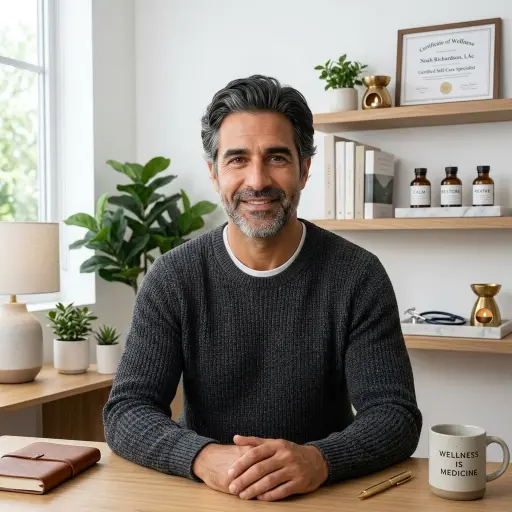
Hi, I’m Noah Richardson, the content writer behind LaxiBoost. I write about self-care and personal well-being to help people build healthier and more balanced lives. My goal is to turn trusted information, easy-to-follow advice that anyone can apply in daily life.
I believe self-care is more than an occasional activity it’s a lifelong habit that supports both mental and physical well-being. Through my articles, I share simple strategies, practical tips, and research-based insights to help you reduce stress, improve your daily routine, and take better care of yourself with confidence.
Thank you for reading LaxiBoost. I hope my content helps you create healthier habits and enjoy a happier, more balanced lifestyle.