Do you ever feel like you’re running on empty? Maybe you’ve been giving so much to work, family, and daily responsibilities that there’s nothing left for you. The idea of “self-care” might sound like another thing on your to-do list, something that requires time, money, or energy you simply don’t have.
But here’s the truth: self-care doesn’t have to be complicated or expensive. You don’t need a spa day or a weekend getaway. Some of the most powerful self-care practices are simple, free, and can be done right in your own home.
The World Health Organization (WHO) defines self-care as “the ability of individuals, families, and communities to promote and maintain their own health, prevent disease, and cope with illness.” It includes healthy practices, habits, and lifestyle choices such as eating a healthy diet, being physically active, getting enough sleep, and connecting with others.
The CDC also emphasizes that managing stress daily can prevent long-term health problems. Healthy ways to cope include taking deep breaths, stretching, meditating, keeping a journal, and spending time outdoors.
Research shows that regularly engaging in self-care practices can help us perform, feel, and be at our best. It helps us build confidence, resilience, and self-esteem. The more we practice self-care, the more confident, creative, and productive we become.
In this guide, you’ll discover simple self-care ideas organized by category, research-backed benefits of home self-care, and practical tips to make self-care a regular habit.
Let’s explore how you can nurture yourself without leaving your front door.
What Is Self-Care at Home?
Self-care at home means taking intentional actions to care for your physical, mental, and emotional well-being without leaving your house. It’s about creating moments of nurture and rest in your everyday environment.
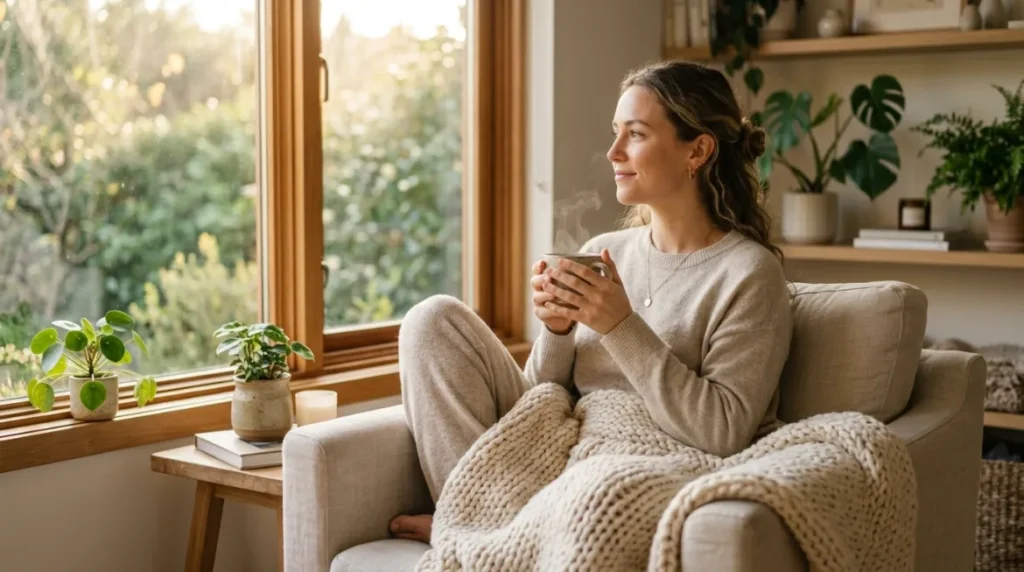
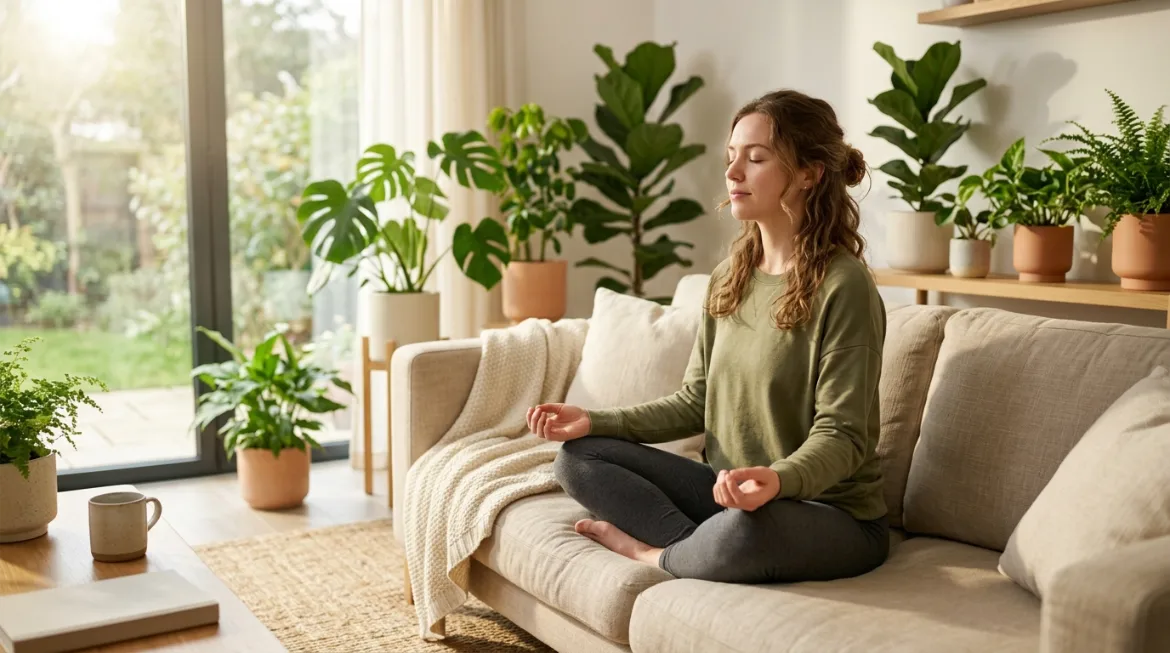
Self-care isn’t always about pampering yourself (although it can include that). It’s about taking care of yourself and doing things that will benefit you now and in the future. Self-care activities can be personal and unique to each person as long as they are something we enjoy and help us feel good.
The WHO notes that self-care protects and maintains your physical and mental health and well-being, reduces stress, builds resilience, and helps you cope with life’s challenges. Self-care is essential to mental health and overall well-being.
The best part? Self-care doesn’t have to take a long time, and it doesn’t have to cost money. Often, the most restorative habits are the ones that fit effortlessly into our lives.
Why Self-Care at Home Matters
It’s accessible. You don’t need special equipment, memberships, or appointments. Your home is already equipped with everything you need to nurture yourself.
It’s consistent. When self-care is built into your home environment, it becomes easier to practice regularly. Consistency matters more than intensity.
It’s personal. Your home is your space. You can tailor self-care activities to your unique preferences and needs.
Research supports it. Studies show that creating therapeutic home environments grounded in biophilic design (connecting with nature) can provide clinical benefits through modulation of the autonomic nervous system. Research also shows that hobbies, many of which you can do at home, are linked to better mental health, lower levels of depression, and even longer life spans.
Quick Self-Care Ideas (5-Minute Resets)
Take five deep breaths. Inhale for four counts, hold for four, exhale for six. This simple practice calms your nervous system. Stretch for two minutes, reach for the ceiling, roll your shoulders, and gently twist your spine. Drink a glass of water, as hydration is one of the simplest forms of self-care.
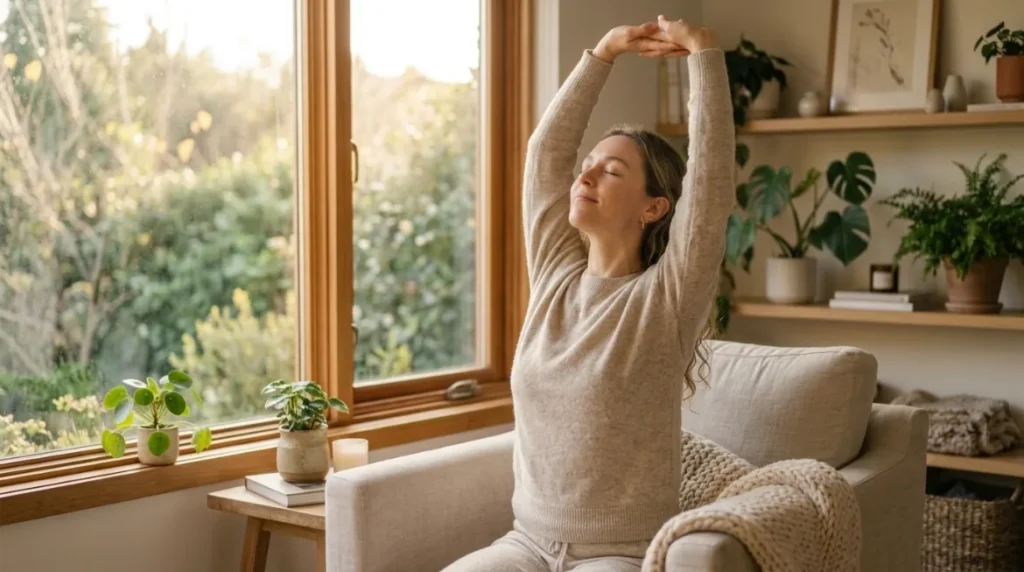
Step outside for fresh air. Even standing on your porch for a moment can reset your mood. Try the 5-4-3-2-1 grounding technique: notice five things you can see, four you can touch, three you can hear, two you can smell, and one you can taste.
Listen to one song that makes you happy. Music can quickly shift your mood. Splash cold water on your face; this invigorating act can wake you up and refresh your mind. Text someone a heart emoji, as a small connection can lift your spirits. Look out a window and notice something beautiful. Even sitting next to a window can help. Finally, say one positive affirmation to yourself, speaking to yourself as you would a friend.
Morning Self-Care Ideas
How you start your day sets the tone. Try these morning self-care ideas at home.
Drink a glass of water first thing to rehydrate after sleep. Don’t check your phone for the first 15 minutes give yourself space before the digital world intrudes. Sit in natural light for five minutes, as morning sunlight helps regulate your circadian rhythm.
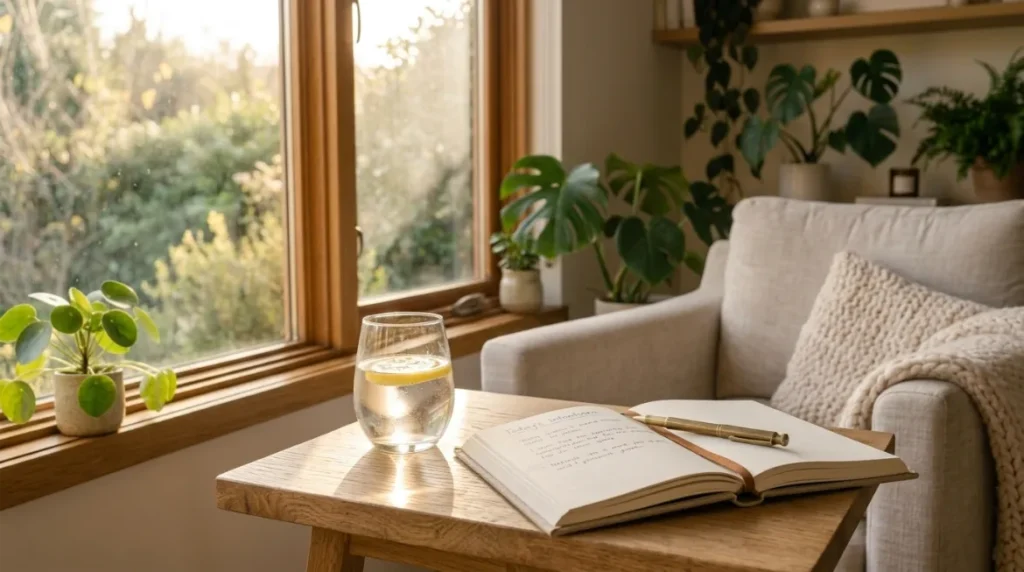
Practice gratitude by thinking of one thing you’re grateful for. The CDC notes that practicing gratitude daily can improve your physical and emotional well-being. Stretch or do gentle yoga even five minutes of movement can boost your mood.
Set a daily intention by choosing one word or phrase to guide your day, like “patience” or “calm.” Make your bed, as this small win gives you a sense of accomplishment. Eat a nourishing breakfast to fuel your body for the day ahead. Do a quick meditation morning meditation has been associated with increased positive affect and vitality. Finally, listen to calming music or a podcast to start your day with something uplifting.
Afternoon Self-Care Ideas
Midday stress can build up. These afternoon ideas can help you reset.
Take a screen break by stepping away from devices for 10–20 minutes. Eat lunch without screens, focusing on your food and savoring each bite. Take a short walk around your home or yard movement boosts energy and mood.
Do a five-minute breathing exercise to reset your nervous system. Call or text someone you trust, as connection reduces stress. Declutter one small area a tidy space can help you feel more in control.
Drink a cup of herbal tea. Chamomile or peppermint tea can be soothing. Step outside for five minutes fresh air and sunlight can shift your mood. Do a quick stretch at your desk to release tension in your neck, shoulders, and back. Finally, listen to a short guided meditation many free apps offer five-minute sessions.
Evening Self-Care Ideas
Evenings are for winding down. These ideas can help you transition to rest.
Put away electronics 30–60 minutes before bed. Blue light disrupts sleep. Take a warm bath or shower this relaxes your muscles and signals sleep. Drink a cup of chamomile tea. Research suggests chamomile may promote relaxation and improve sleep quality.
Write down three good things from your day. This gratitude practice can boost your mood. Do gentle stretching or yoga to release the tension of the day. Read a physical book unlike screens, books don’t emit sleep-disrupting blue light.
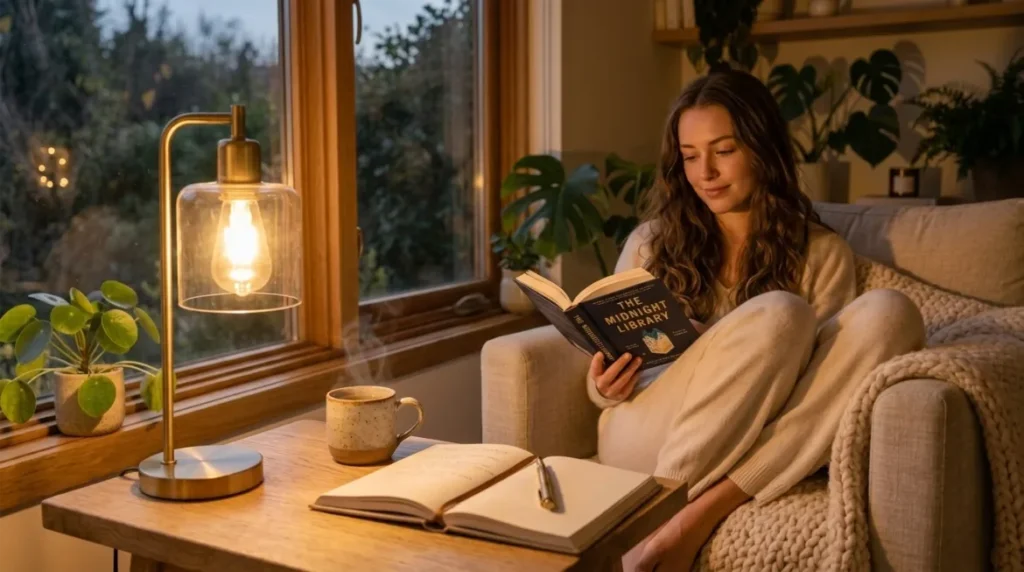
Journal your thoughts to clear your mind. Prepare for tomorrow by laying out clothes or packing your bag to reduce morning stress. Dim the lights in your home this signals to your brain that it’s time to rest. Finally, stick to a consistent bedtime, as a better sleep routine will make a world of difference.
Physical Self-Care Ideas
Caring for your body is a fundamental part of self-care. The CDC recommends moving more and getting enough sleep.
Exercise at home by trying a no-equipment workout video on YouTube. Dance to your favorite song this fun activity releases feel-good endorphins. Do a face mask to pamper your skin with an at-home treatment. Give yourself a manicure or pedicure simple grooming can make you feel put together.
Take a nap when you need it rest is a form of self-care. Drink water throughout the day to stay hydrated for better focus and mood. Cook a healthy meal nourishing your body is an act of self-care. Do a scalp massage to relieve tension and promote relaxation. Use a foam roller or massage tool to release muscle tension at home. Finally, practice good sleep hygiene adults need 7 or more hours of sleep per night.
Mental and Emotional Self-Care Ideas
Caring for your mind is just as important as caring for your body.
Journal regularly. Writing helps you process emotions and gain clarity. Practice positive affirmations and speak kindly to yourself. Meditate even five minutes of meditation can reduce anxiety. Read a book for pleasure reading can transport you and reduce stress.
Try adult coloring. This calming activity keeps you in the present moment. Watch a funny video; laughter can relax muscles and reduce cortisol. Practice self-compassion by treating yourself with the same kindness you’d offer a friend. Do a “brain dump” by writing down everything on your mind to clear mental clutter. Practice mindfulness by focusing on the present moment without judgment. Finally, say “no” when you need to. Setting boundaries is an act of self-care.
Creative Self-Care Ideas
Creativity can be deeply nourishing. These activities allow you to express yourself and find joy.
Try a new recipe. Cooking or baking can be a creative outlet. Draw or paint; you don’t need to be an artist, just enjoy the process. Do crafts like knitting, scrapbooking, or other crafts that can be meditative. Write poetry or stories; creative writing can be therapeutic.
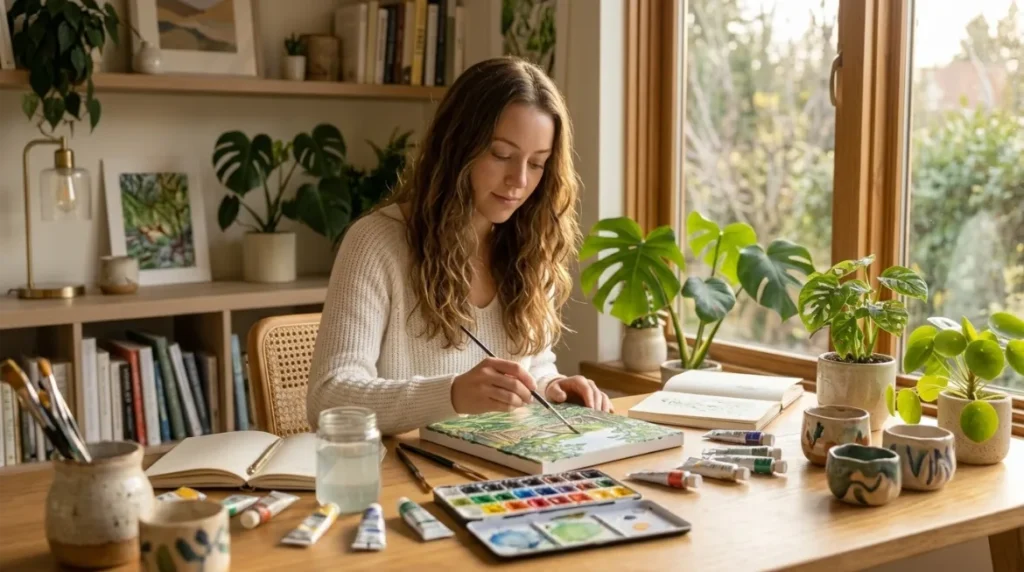
Play a musical instrument. Music can be a powerful form of self-expression. Garden, even indoor plants, can connect you with nature. Try photography; use your phone to capture beautiful moments. Decorate or redecorate a small space; making your environment beautiful is self-care. Create a vision board to visualize your goals and dreams. Finally, start a creative project you’ve been putting off.
Social Self-Care Ideas
Connection with others is a vital part of well-being.
Call or video chat with a friend. Connection reduces feelings of isolation. Join an online community to connect with people who share your interests. Write a letter to someone you care about; a handwritten note can be meaningful. Sharing a meal with family eating together fosters connection.
Play a game with loved ones. Board games or card games can be fun and connecting. Volunteering virtually to help others can boost your own well-being. Join a book club or discussion group; intellectual connection is valuable. Reach out to someone you haven’t talked to in a while; reconnecting can be uplifting. Practice active listening. Being present for someone else is a form of connection. Finally, express gratitude to someone and let them know you appreciate them.
Environmental Self-Care Ideas
Your environment affects your mood and well-being. These ideas help you create a nurturing space.
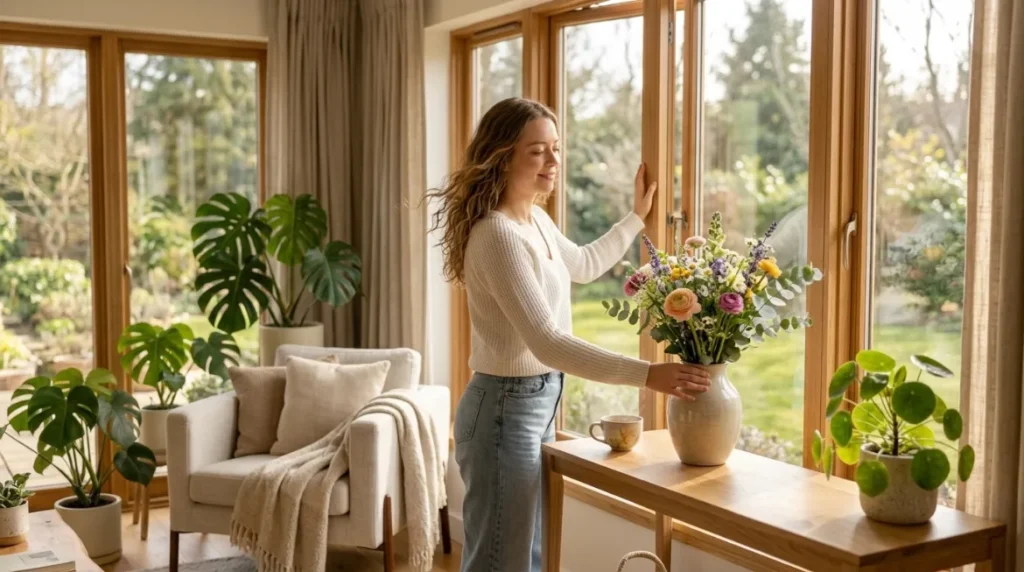
Declutter one area. A tidy space can help you feel calmer. Add a plant to your home. Plants improve air quality and mood. Open your curtains; natural light boosts mood and energy. Light a candle; scents can be calming and comforting.
Play soothing music to create a calming atmosphere. Make your bed; a tidy bedroom promotes restful sleep. Create a cozy corner: designate a space for relaxation with soft blankets and pillows. Display photos that make you happy; surround yourself with positive memories. Diffusing essential oils like lavender or chamomile can promote relaxation. Finally, keep your space clean; a clean home can reduce stress.
Weekend Self-Care Ideas
Weekends offer more time for deeper self-care practices.
Plan a self-care day with a lightly structured schedule of rest and reflection. Take a long walk in a nearby park; nature reduces stress. Try a longer yoga or stretching session at home. Baking something from scratch, the process can be meditative.
Have a movie marathon to relax and enjoy entertainment. Do a deeper decluttering project by tackling a closet or room. Try a new hobby; explore something you’ve always wanted to learn. Take a long bath with candles and music to create a spa-like experience at home. Spend time in your garden or with houseplants to connect with nature. Finally, do nothing. Sometimes the best self-care is simply resting without guilt.
Self-Care for Busy People
When you’re busy, self-care can feel impossible. But even small moments count.
Start with five minutes. Even five minutes of deep breathing or stretching can help. Combine self-care with existing habits. Practice gratitude while brushing your teeth, or stretch while waiting for coffee to brew.
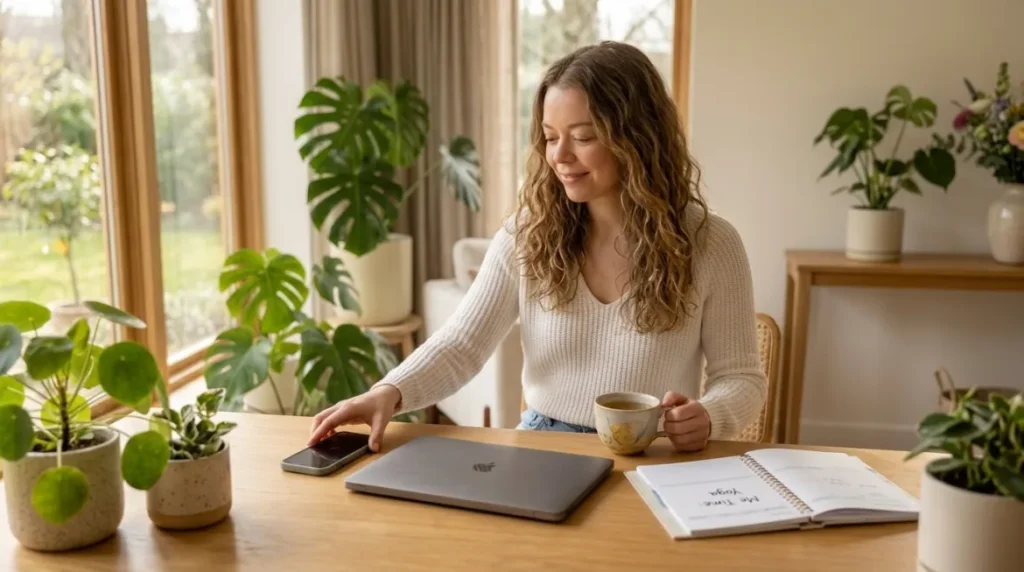
Set gentle limits to protect your time and energy. Make time for something you actually enjoy; even 20 minutes of a hobby can lift your mood. Prioritize the basics: drinking water, getting enough sleep, and moving your body are foundations of good self-care.
Schedule self-care by putting it in your calendar like any other important appointment. Finally, forgive yourself if you miss a day; just get back to it tomorrow.
How to Make Self-Care a Habit
Building a self-care habit takes intention and consistency.
Start small. Choose just one or two practices to begin with. Be consistent; a few minutes each day is more effective than an hour once a month. Make it enjoyable by choosing activities you actually like. Self-care should feel nourishing, not like a chore.
Create a routine by incorporating self-care into your existing daily schedule. Track your progress and notice how you feel when you practice self-care regularly. Be kind to yourself; if you miss a day, don’t give up. Just start again tomorrow. Finally, remember why it matters: self-care isn’t selfish; it helps you show up better for others.
What the Research Says
Scientific research supports the power of self-care at home.
Mental Health: Research shows that hobbies, many of which you can do at home, are linked to better mental health, lower levels of depression, and even longer life spans. They help us access flow states, challenge our brains, and remind us of the simple pleasure of doing something just because we love it.
Stress Reduction: Regular self-care practices can significantly lower stress levels. Activities such as exercise and mindfulness can reduce symptoms of anxiety and depression.
Physical Health: Creating therapeutic home environments grounded in biophilic design (connecting with nature) can provide clinical benefits through modulation of the autonomic nervous system.
Well-Being: Spending time in green spaces can lead to a greater sense of well-being. Natural settings have the power to energize us, make us happier, relieve stress, and provide space to move our bodies.
Resilience: Self-care builds resilience and helps you cope with life’s challenges.
Productivity: The more we practice self-care, the more confident, creative, and productive we are.
Frequently Asked Questions
1. What are the best self-care ideas at home?
The best self-care ideas are ones you actually enjoy. Start with simple practices like drinking water, taking deep breaths, reading a book, or taking a walk. Experiment to find what works for you.
2. How can I practice self-care at home when I’m busy?
Even five minutes counts. Try quick resets like deep breathing, stretching, or stepping outside. Combine self-care with existing habits, like practicing gratitude while brushing your teeth.
3. Do I need to spend money on self-care?
No. Many self-care practices are completely free: deep breathing, stretching, journaling, walking, and connecting with loved ones cost nothing.
4. What does the CDC recommend for self-care at home?
The CDC recommends taking deep breaths, stretching or meditating, keeping a journal, spending time outdoors, practicing gratitude daily, and getting enough sleep.
5. What does the World Health Organization say about self-care?
WHO defines self-care as “the ability of individuals, families, and communities to promote and maintain their own health, prevent disease, and cope with illness.” It includes healthy practices like eating well, being active, getting enough sleep, and connecting with others.
6. How do I make self-care a daily habit?
Start small with one or two practices. Be consistent and choose activities you enjoy. Schedule self-care like any other important appointment. If you miss a day, just start again tomorrow.
7. Can self-care really reduce stress?
Yes. Research shows that regular self-care practices can significantly lower stress levels. Activities like exercise, mindfulness, and deep breathing can reduce symptoms of anxiety and depression.
8. What if I don’t enjoy the self-care activities I’ve tried?
Experiment until you find what works for you. Self-care should feel nourishing, not like a chore. If something doesn’t feel right, try something else.
Key Takeaways
- Self-care at home is accessible, personal, and doesn’t require money
- The WHO and CDC both emphasize the importance of self-care for physical and mental health
- Even five minutes of self-care can make a meaningful difference
- Research shows self-care reduces stress, improves mental health, and builds resilience
- Start small with one or two practices and build gradually
- Choose activities you actually enjoy
- Self-care isn’t selfish; it helps you show up better for others
- Your home is already equipped with everything you need to nurture yourself
Conclusion
Self-care doesn’t have to be complicated, expensive, or time-consuming. Some of the most powerful practices are simple, free, and can be done right in your own home. If it’s taking five deep breaths, drinking a glass of water, reading a book, or calling a friend, every small act of self-care matters.
The WHO reminds us that self-care protects and maintains your physical and mental health and well-being, reduces stress, builds resilience, and helps you cope with life’s challenges. The CDC emphasizes that managing stress daily can prevent long-term health problems.
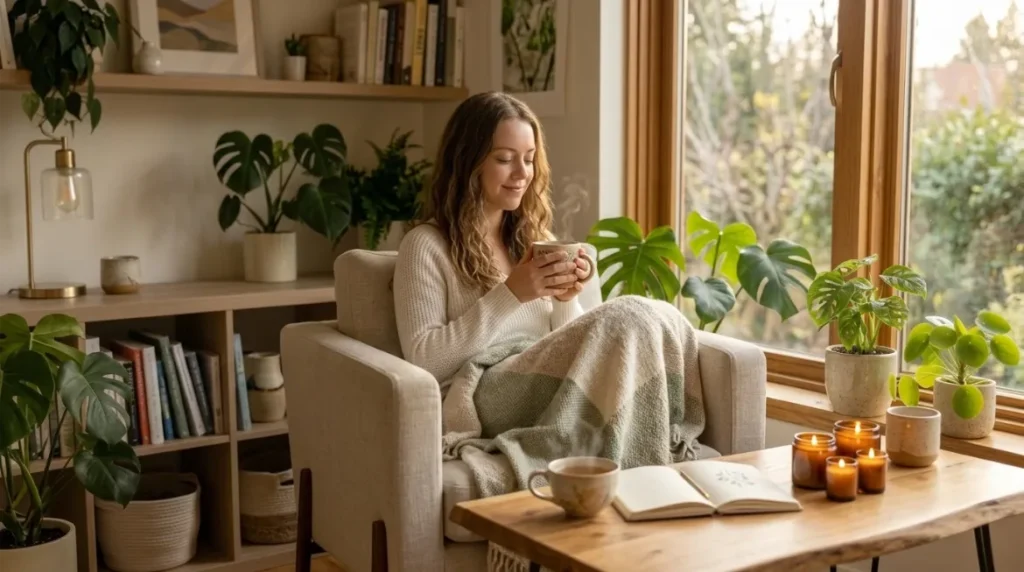
Research shows that regularly engaging in self-care practices helps us feel, perform, and be at our best. Hobbies and creative activities are linked to better mental health and even longer life spans.
Start with one idea from this list today. Just one. Drink that glass of water. Take those five deep breaths. Step outside for a moment of fresh air.
Small actions, repeated consistently, create meaningful change. You deserve to feel your best. And the best part? It starts with simple choices you can make right now, in the comfort of your own home.
Ready to Start Your Self-Care Journey at Home?
Choose one self-care idea from this list and commit to it for the next seven days. Write it down, put it in your calendar, and see how you feel. Your future self will thank you.
Medical Disclaimer
The information provided in this article is for educational and informational purposes only and is not intended as medical advice. Always consult with a qualified healthcare provider regarding any health concerns. This content does not replace professional medical advice, diagnosis, or treatment.
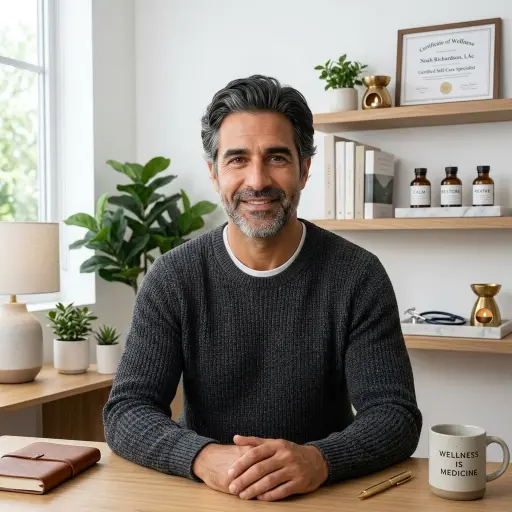
Hi, I’m Noah Richardson, the content writer behind LaxiBoost. I write about self-care and personal well-being to help people build healthier and more balanced lives. My goal is to turn trusted information, easy-to-follow advice that anyone can apply in daily life.
I believe self-care is more than an occasional activity it’s a lifelong habit that supports both mental and physical well-being. Through my articles, I share simple strategies, practical tips, and research-based insights to help you reduce stress, improve your daily routine, and take better care of yourself with confidence.
Thank you for reading LaxiBoost. I hope my content helps you create healthier habits and enjoy a happier, more balanced lifestyle.