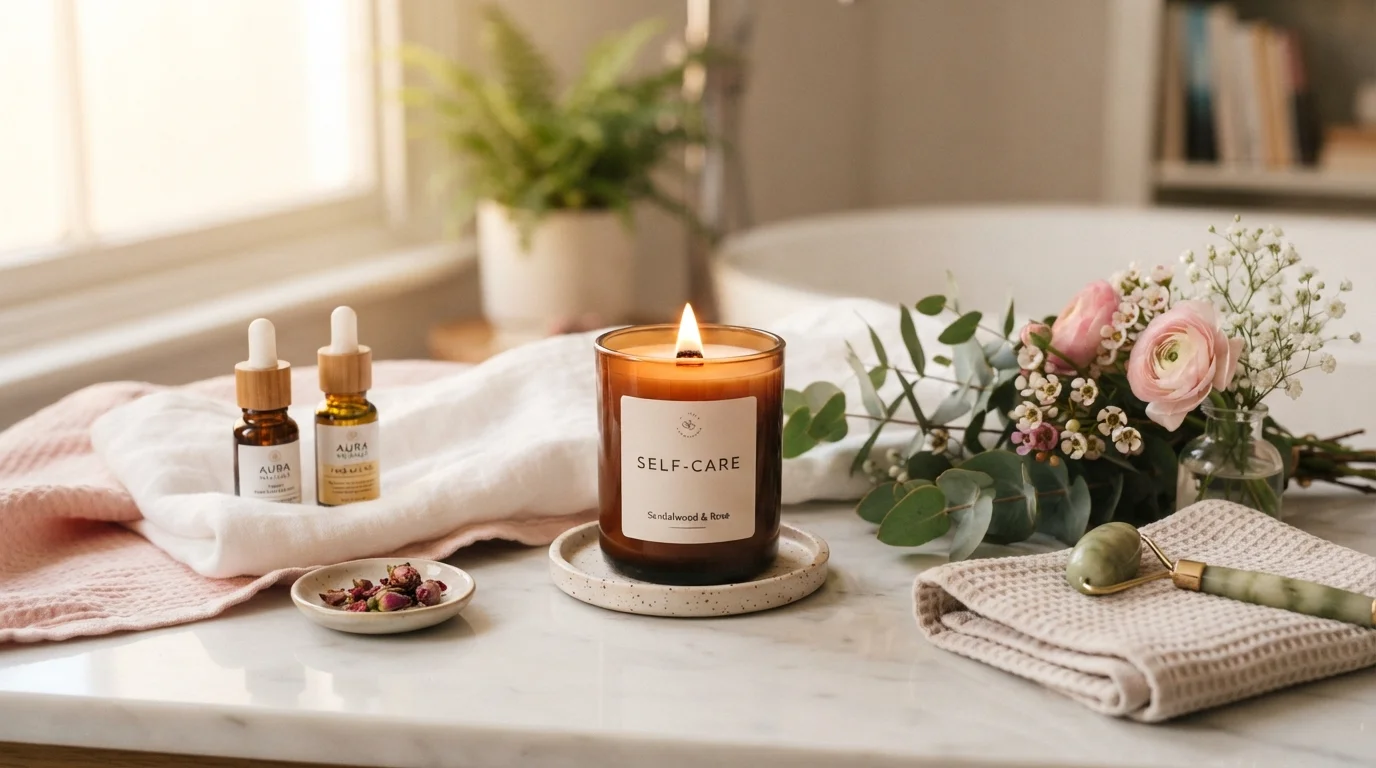
Ever finish a long day feeling like you gave every drop of your energy to everyone else, leaving nothing for yourself? You collapse onto the couch, scrolling through your phone, but your mind is still racing with tomorrow’s to-do list.
When life feels like a constant rush, it is easy to run on empty. Continually neglecting your emotional well-being can slowly drain your motivation, disrupt your sleep habits, and heighten daily stress. But feeling overwhelmed does not mean you are failing—it simply means your routine needs a gentle reset.
Self-care does not require expensive spa retreats or hours you do not have. Incorporating a self care candle into your evening routine provides a simple, tactile anchor to help you pause and reset. Research suggests that sensory mindfulness practices—especially those involving soft light and calming scents—may support stress management and promote a healthy mindset.
In this guide, you will learn:
- What a self care candle is and how it works as a sensory tool.
- How aromatherapy supports emotional well-being and stress relief.
- Simple self-care activities you can fit into a busy schedule.
- Practical steps to build a healthy routine around your personal well-being.
Core Article Body
What Is a Self Care Candle?
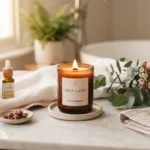
A self care candle is a specially crafted candle—often made from natural waxes like soy, coconut, or beeswax—infused with essential oils or gentle fragrances. Rather than serving as mere decor, it acts as an intentional physical tool to foster mindfulness, relaxation, and emotional balance.
The soft flickering light and soothing scent create a powerful sensory cue. This visual and aromatic shift helps interrupt automatic stress responses, signaling to your nervous system that it is safe to slow down and focus on your personal well-being.
Why Candle Self-Care Matters Today
Modern life keeps our eyes glued to bright digital screens and our minds racing with work notifications. This constant high-alert state makes it challenging to maintain a healthy work-life balance or find time for genuine relaxation techniques.
Lighting a candle introduces a natural, calming element into your healthy living space. Taking a moment to strike a match and watch the flame flickers creates a clear boundary between your busy workday and your restorative personal time.
Key Benefits for Emotional & Mental Well-Being
Integrating candle practice into your wellness journey offers several practical benefits supported by mind-body awareness techniques:
- Enhanced Sensory Grounding: Focusing on the warm flame and subtle aroma helps quiet racing thoughts and bring you into the present moment.
- Stress Reduction: Research suggests that essential oils like lavender and chamomile may help soothe the nervous system and support bodily relaxation.
- Positive Ritual Triggers: Lighting a candle acts as a visual daily habit trigger, reminding you to practice gratitude and self-compassion.
- Improved Sleep Preparation: Swapping harsh overhead lighting for dim candle light in the evening supports natural sleep habits by encouraging melatonin production.
Top Candle Scents & Their Unique Uses
Different essential oils and fragrances carry distinct qualities that support various aspects of emotional well-being:
- Lavender: Renowned for its calming properties, ideal for evening wind-down routines and easing feelings of anxiety.
- Eucalyptus & Spearmint: Refreshing scents that help clear mental clutter, foster focus, and revitalize a tired mind.
- Vanilla & Sandalwood: Warm, grounding aromas that provide comfort, safety, and a sense of emotional balance.
- Citrus (Bergamot & Orange): Bright, uplifting fragrances that help boost mood and support a positive, healthy mindset during slow mornings.
| Scent Family | Core Focus | Best Placement |
| Lavender & Chamomile | Stress relief & quiet sleep | Nightstand or bedroom dresser |
| Eucalyptus & Mint | Clarity & mental reset | Bathroom or workspace desk |
| Vanilla & Sandalwood | Grounding & comfort | Living room coffee table |
| Bergamot & Citrus | Energy & mood elevation | Kitchen or morning reading nook |
Step-by-Step Action Plan: How to Start Your Practice
1.Choose Your Candle:Select natural wax and clean scents.
Pick a non-toxic soy or coconut wax candle with a scent that matches your current emotional needs, whether you need soothing lavender or energizing citrus.
2.Create a Calming Environment:Prepare your space and mind.
Dim overhead artificial lights and eliminate loud distractions. Set your candle on a sturdy, heat-safe surface away from drafts.
3.Light with Intention:Pair lighting the wick with intent.
As you strike the match and light the wick, take a slow, deep breath. Mentally state a simple commitment, such as: “For the next ten minutes, I am setting aside my worries.”
4.Practice the Flame Focus:Engage in sensory mindfulness.
Sit comfortably and spend 3 to 5 minutes gently watching the flame. Inhale the aroma slowly for four counts, hold for four, and exhale for six counts to settle your mind.
Best Practices for Building Daily Habits
To make candle self-care a sustainable part of your daily habits, keep these simple tips in mind:
- Start Small: Spend just 5 minutes sitting by candle light each evening rather than trying to meditate for an hour right away.
- Pair with Existing Routines: Light your candle while writing in a journal, preparing a hot cup of tea, or reading a chapter of a book.
- Practice Flame Safety: Always trim the wick to 1/4 inch before lighting, keep candles out of drafts, and extinguish them fully before leaving the room or falling asleep.
Common Mistakes to Avoid
- Using Synthetic Air Pollutants: Cheap paraffin candles can emit harsh soot and artificial fragrances that cause headaches; opt for clean-burning soy or coconut wax instead.
- Leaving Flame Unattended: Safety comes first—never leave a burning candle near pets, children, or flammable materials.
- Rushing the Process: Lighting a candle while frantically checking emails defeats the purpose; allow yourself to step away from screens while the candle burns.
Myths vs. Facts About Candles for Self-Care
- Myth: Aromatherapy candles can cure clinical anxiety and depression.
- Fact: Candles are comforting, supportive wellness tools that aid relaxation, but they are not substitutes for professional mental health care.
- Myth: Any cheap candle provides the same relaxation benefits.
- Fact: Synthetic fragrances can sometimes cause respiratory irritation, whereas natural essential oils offer genuine sensory calming benefits.
- Myth: You need hours of free time to enjoy a self-care candle routine.
- Fact: Just 5 to 10 minutes of focused, candlelit breathing can effectively shift your body into a state of rest.
Real-World Application: Simple Daily Scenarios
- The Work-from-Home Transition: Light a citrus candle on your desk at 5:00 PM to signal the end of your workday. Blow it out to symbolically “close” work and transition into your evening.
- Unwinding After Chores: After finishing dinner dishes, dim the kitchen lights and burn a lavender candle while sipping warm tea to release physical tension.
- Bedtime Wind-Down: Burn a sandalwood candle on your dresser for 20 minutes while getting ready for bed, replacing harsh overhead lights to prime your body for restful sleep.
People Also Ask (FAQ Section)
How does a self care candle help reduce stress?
A self care candle combines soothing aromatherapy with soft visual lighting to help quiet a busy mind. This sensory combination encourages deeper breathing and signals your nervous system to relax.
Are soy candles better for self-care than paraffin candles?
Yes, soy wax burns cleaner and slower than paraffin, producing less soot and toxic airborne particles. This makes soy candles a healthier choice for creating a clean, relaxing home environment.
What candle scent is best for anxiety and relaxation?
Lavender, chamomile, and bergamot are widely recognized for their calming properties. These gentle aromas help soothe nervous tension and foster a peaceful atmosphere.
How long should I burn a self care candle during a routine?
Burning a candle for 15 to 30 minutes is ideal for releasing enough scent to relax your space. Always burn soy candles long enough for the top layer of wax to melt evenly to prevent tunneling.
Can lighting a candle really improve my sleep habits?
Yes, replacing bright overhead lights with soft candle light in the evening helps promote natural melatonin production. This signals to your brain that it is time to rest, supporting healthier sleep patterns.
Summary & Medical Disclaimer
Key Takeaways
- A self care candle serves as a warm, sensory anchor to interrupt daily stress and promote emotional well-being.
- Natural soy and coconut wax candles infused with essential oils offer clean-burning aromatherapy benefits.
- Combining candle light with deep breathing or journaling creates an easy, restorative daily habit.
- Prioritizing short, consistent moments of relaxation supports long-term mental clarity and stress management.
Conclusion
Taking care of your emotional health does not require a complete lifestyle overhaul. By bringing a self care candle into your daily evening routine, you give yourself permission to pause, breathe, and reclaim your peace of mind—one peaceful moment at a time. Pick a scent that speaks to you today, set a quiet intention, and enjoy your personal wellness journey.
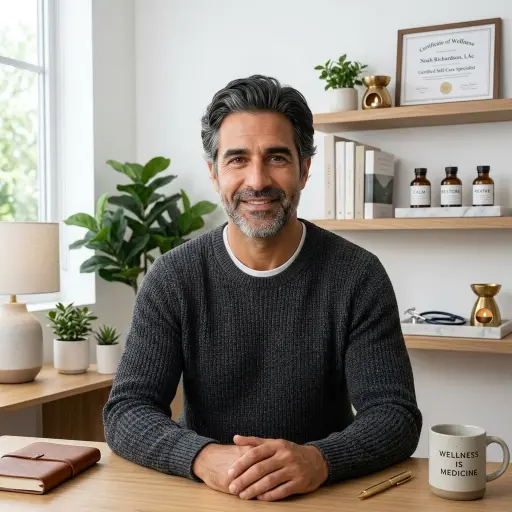
Hi, I’m Noah Richardson, the content writer behind LaxiBoost. I write about self-care and personal well-being to help people build healthier and more balanced lives. My goal is to turn trusted information, easy-to-follow advice that anyone can apply in daily life.
I believe self-care is more than an occasional activity it’s a lifelong habit that supports both mental and physical well-being. Through my articles, I share simple strategies, practical tips, and research-based insights to help you reduce stress, improve your daily routine, and take better care of yourself with confidence.
Thank you for reading LaxiBoost. I hope my content helps you create healthier habits and enjoy a happier, more balanced lifestyle.