Do you ever reach the end of the day feeling like you worked non-stop, yet somehow left no time for yourself? Between work demands, family needs, and endless task lists, it is easy to put your own emotional well-being on the back burner.
When personal care continuously takes a backseat, chronic fatigue, stress, and burnout quietly creep in. Neglecting your daily habits does not mean you are failing or unorganized; it simply means modern life asks a lot of your energy.
The good news? Restoring balance does not require a complete lifestyle overhaul or hours of free time. Simple tools—like self-care planners—can help you organize your day while prioritizing your mental wellness in small, doable steps.
In this guide, you will learn:
- What a self-care planner is and how it differs from a standard task list.
- Practical benefits for your emotional well-being and stress levels.
- Simple, step-by-step strategies to build a healthy routine that lasts.
Let’s explore how a structured planning habit can help you regain clarity and focus on what truly matters.
Core Article Body
What Is a Self-Care Planner?
A self-care planner is a intentional tool designed to help you balance daily responsibilities with personal well-being. Unlike traditional planners that focus solely on deadlines, meetings, and errands, self-care planners prioritize your physical, mental, and emotional needs.
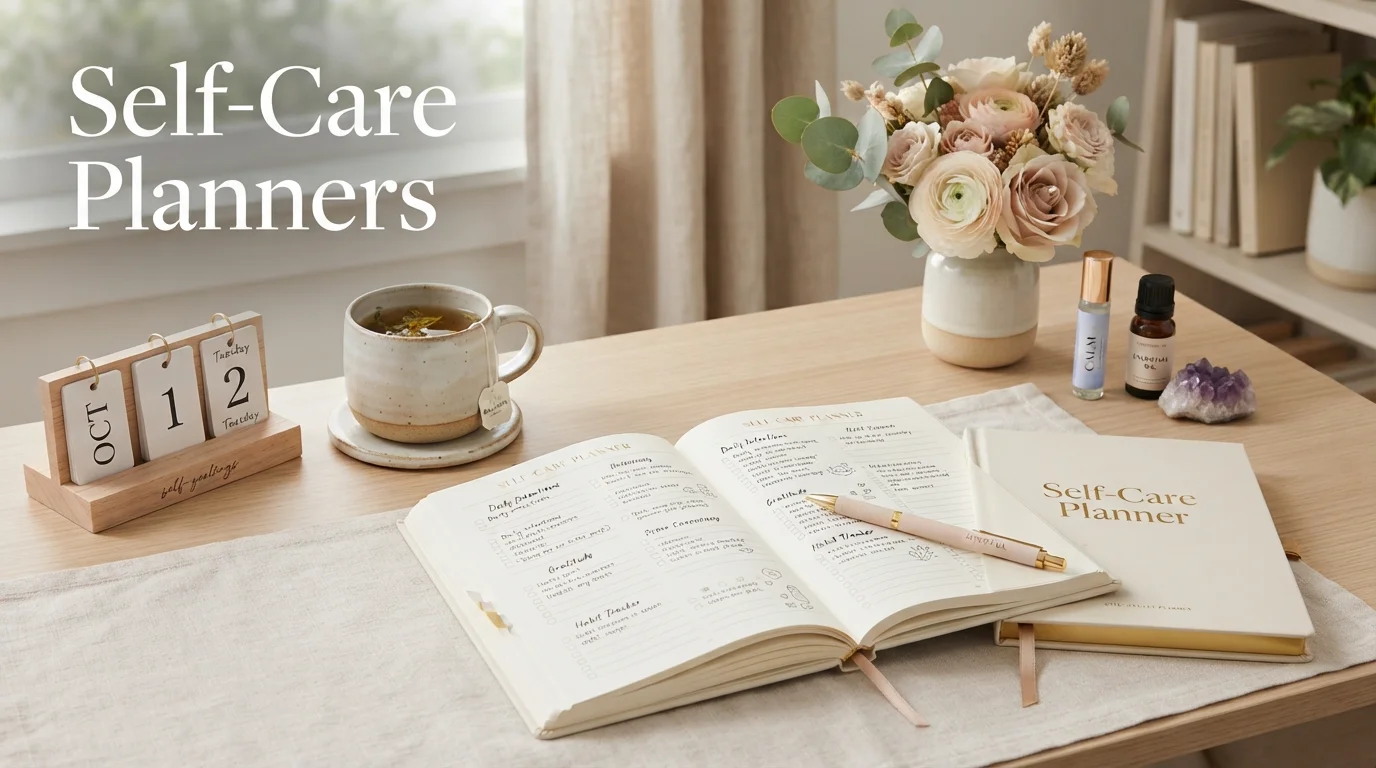
These planners typically feature dedicated spaces for reflection, mood tracking, sleep habits, hydration, and daily gratitude. By bringing your health goals into the same space as your work commitments, they make self-improvement a natural part of your schedule.
Ultimately, using a self-care planner transforms how you view productivity. It shifts the goal from simply “getting things done” to sustaining a healthy mindset while navigating your busy day.
Why It Matters Today
Modern schedules leave little room for unstructured downtime. Constant digital notifications, long work hours, and personal obligations often keep the brain in a state of continuous alertness, pushing stress management to the side.
Research suggests that constant multitasking can elevate cortisol levels, contributing to mental fatigue and poor sleep habits. Without a clear system to protect your downtime, self-care is often the first thing sacrificed when schedules get tight.
A self-care planner acts as a gentle boundary. It creates visual reminders to pause, take a breath, and focus on relaxation techniques, ensuring your work-life balance remains protected amid daily demands.
Key Health & Lifestyle Benefits
Integrating a planner focused on well-being yields noticeable improvements in daily functioning and personal satisfaction.
- Reduced Mental Fatigue: Offloading your thoughts, schedules, and worries onto paper clears mental space, reducing the burden of overwhelming to-do lists.
- Improved Stress Management: Visualizing your day helps identify busy periods in advance, allowing you to schedule restorative breaks proactively.
- Better Sleep Habits: Writing out evening routines and reflection prompts before bed supports brain wind-down, signaling that the day’s work is complete.
- Consistent Healthy Living: Tracking basic routines—like hydration, balanced meals, and movement—encourages steady, incremental progress toward a healthy lifestyle.
- Enhanced Emotional Well-Being: Daily reflection prompts foster gratitude and self-awareness, reinforcing a resilient, healthy mindset over time.
Common Types & Approaches
Choosing the right format depends on your lifestyle, preferences, and daily flexibility.
Daily vs. Weekly Layouts
- Daily Planners: Best for individuals who prefer detailed scheduling, hourly tracking, and comprehensive daily mood or meal logs.
- Weekly Layouts: Ideal for those who prefer a high-level overview, allowing flexibility to adjust activities across seven days without feeling constrained.
Physical vs. Digital Formats
- Paper Journals: Provides a tactile, screen-free experience that encourages mindfulness and reduces late-night blue light exposure.
- Digital Apps & PDFs: Great for on-the-go organization, sync capabilities across devices, and quick adjustments during busy workdays.
Step-by-Step Action Plan: How to Use a Self-Care Planner
1.Select Your Ideal Format:Choose between digital apps or physical journals.
Pick a format that fits naturally into your routine. If you enjoy screen-free time in the evening, select a paper planner; if you prefer mobility, opt for a digital system.
2.Establish Non-Negotiable Rest Periods:Schedule your breaks before work meetings.
Block out time for meals, short walks, and relaxation techniques before filling in work tasks. Treating rest as a fixed appointment ensures it actually happens.
3.Set 1-2 Daily Wellness Goals:Focus on small, achievable daily habits.
Keep targets modest to prevent overwhelm. Focus on simple choices, like drinking eight glasses of water or taking a 10-minute mindfulness break during lunch.
4.Incorporate Morning or Evening Reflections:Spend 5 minutes assessing your emotional state.
Use brief prompts at the start or end of your day to log your mood, note moments of gratitude, and assess how your body feels.
Best Practices & Daily Habits
Building a sustainable routine requires consistency over perfection. Here are a few practical guidelines to make your self-care planner work for you long-term:
- Set a Fixed Time: Pair your planning habit with an existing ritual, such as drinking your morning coffee or winding down before bed.
- Keep It Accessible: Leave your planner open on your desk or on your nightstand so it remains a visible visual prompt throughout the day.
- Prioritize Flexibility: Life happens. If an unexpected meeting interrupts your scheduled walk, simply reschedule it without self-judgment.
- Focus on Small Wins: Celebrate completing simple routines. Consistency with small actions builds long-term momentum on your wellness journey.
Common Mistakes to Avoid
- Overcrowding Your Schedule: Adding too many self-care activities at once creates extra pressure, turning relaxing habits into stressful obligations.
- Treating It Like a Rigid To-Do List: A self-care planner should support your personal well-being, not make you feel guilty for unfinished tasks.
- Ignoring Physical Needs: Focusing exclusively on productivity prompts while neglecting basic sleep habits or hydration limits your overall energy.
- Failing to Adjust Layouts: Sticking with a layout that feels tedious hinders progress. Feel free to adapt your system until it feels supportive.
Myths vs. Facts
| Myth | Fact |
| “Self-care planning takes too much time.” | Spending just 5 minutes a day with a planner saves time by reducing decision fatigue and improving daily focus. |
| “Self-care is selfish and neglects responsibilities.” | Supporting your emotional well-being provides the energy needed to care for others and manage work effectively. |
| “You need an elaborate layout for it to work.” | A simple list of basic needs written in a standard notebook can be just as effective as pre-printed templates. |
| “Missing a day means you failed your routine.” | Consistency allows for flexibility; real wellness habits involve picking up where you left off without guilt. |
Expert Perspective & Real-World Application
Consider Sarah, a mid-level project manager balancing a demanding job and family life. She frequently felt overwhelmed by dinner time, relying on caffeine to push through afternoon slumps.
When Sarah started using a self-care planner, she didn’t overhaul her whole life. Instead, she began scheduling two 10-minute breaks each day—one for light stretching, and one for a screen-free cup of tea. She used her planner to track her sleep habits and set a goal to close her laptop by 6:00 PM.
Within three weeks, Sarah noticed steady improvements in her energy levels and daily mood. By planning her rest alongside work deliverables, she established a healthy routine that protected her mental wellness without compromising productivity.
Frequently Asked Questions (PAA)
What should be included in a self-care planner?
A well-rounded planner includes daily task sections alongside prompts for mood tracking, sleep habits, hydration, top priorities, and brief reflection prompts. Combining these elements helps align your daily productivity with your emotional well-being.
How often should I update my self-care planner?
Updating your planner once or twice daily—typically five minutes in the morning and five minutes in the evening—yields the best results. This short routine keeps your goals clear without adding unnecessary time pressure to your day.
Can a self-care planner help reduce stress and anxiety?
Yes, organizing your thoughts on paper helps externalize worries and reduces decision fatigue throughout the day. Research indicates that structured planning can foster a sense of control, supporting overall stress management.
What is the difference between a regular planner and a self-care planner?
A regular planner focuses primarily on appointments, deadlines, and task completion. In contrast, a self-care planner incorporates health habits, mindfulness breaks, and emotional tracking to foster personal well-being alongside productivity.
How do I stick to a self-care planning habit long-term?
Keep your system simple and anchor your planning habit to an established routine, such as drinking morning tea. Approaching missing days with flexibility rather than perfection ensures the habit remains sustainable.
Summary & Medical Disclaimer
Key Takeaways
- Balanced Focus: Self-care planners integrate physical and emotional needs into your daily schedule alongside regular work tasks.
- Simple Steps: Starting with just five minutes of daily planning can reduce stress and clear mental space.
- Flexible Routines: Sustainable wellness habits rely on consistency and adaptability rather than rigid adherence.
- Proactive Rest: Scheduling breaks and relaxation techniques in advance ensures self-care remains a clear priority.
Conclusion
Taking control of your schedule is one of the most effective ways to support your emotional well-being. By reserving time for rest, mindfulness, and personal priorities, a self-care planner transforms overwhelming days into structured, manageable routines. Start small today—pick one simple habit, write it down, and take your first confident step toward a balanced, healthy mindset.

Hi, I’m Noah Richardson, the content writer behind LaxiBoost. I write about self-care and personal well-being to help people build healthier and more balanced lives. My goal is to turn trusted information, easy-to-follow advice that anyone can apply in daily life.
I believe self-care is more than an occasional activity it’s a lifelong habit that supports both mental and physical well-being. Through my articles, I share simple strategies, practical tips, and research-based insights to help you reduce stress, improve your daily routine, and take better care of yourself with confidence.
Thank you for reading LaxiBoost. I hope my content helps you create healthier habits and enjoy a happier, more balanced lifestyle.