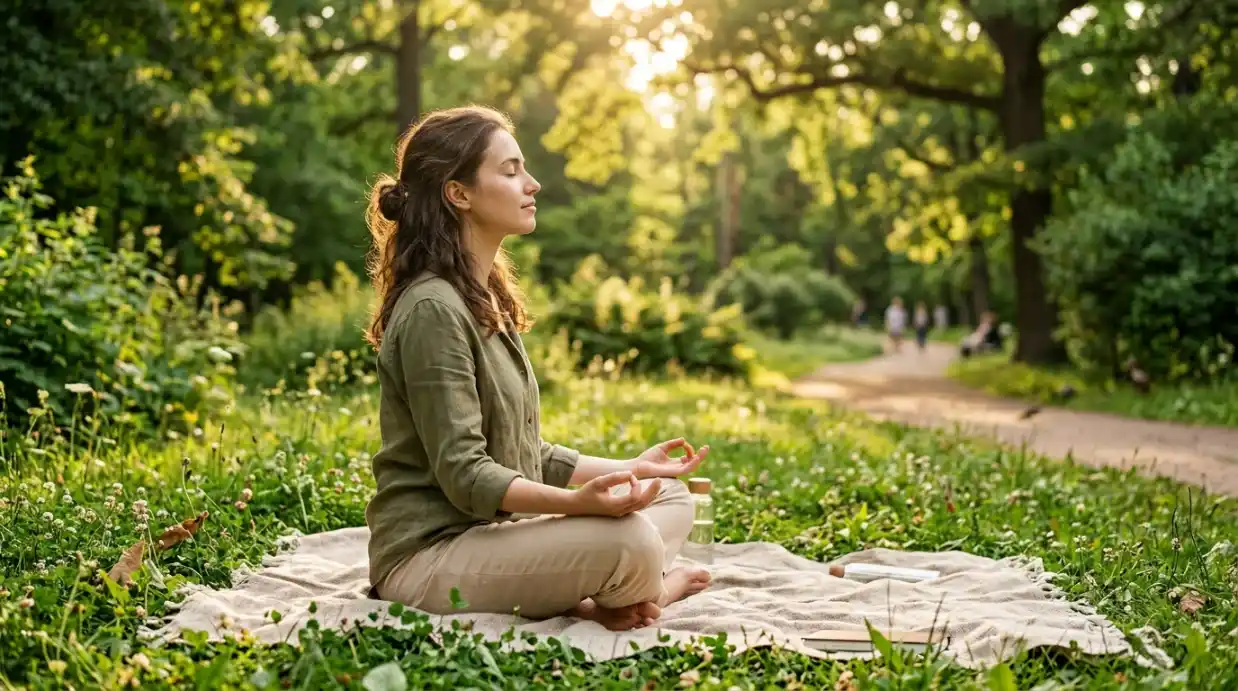
Do you feel like stress is running your life? Maybe you’re constantly on edge, struggling to sleep, or feeling overwhelmed by daily demands. Chronic stress takes a real toll on your body and mind.
The good news? There are effective, science-backed ways to reduce stress naturally. The key is learning how to interrupt your body’s stress response and activate the relaxation response, your natural antidote to fight-or-flight.
This guide brings together the latest research on natural stress reduction. You’ll discover:
- Breathing techniques that calm your nervous system
- Simple movement and lifestyle changes that reduce stress
- Mind-body practices backed by science
- When to seek professional support
Let’s explore what actually works.
How Stress Affects Your Body and Mind
When you experience stress, your body releases hormones that increase your blood pressure and raise your heart rate. This is your fight-or-flight response, designed to help you respond to threats.
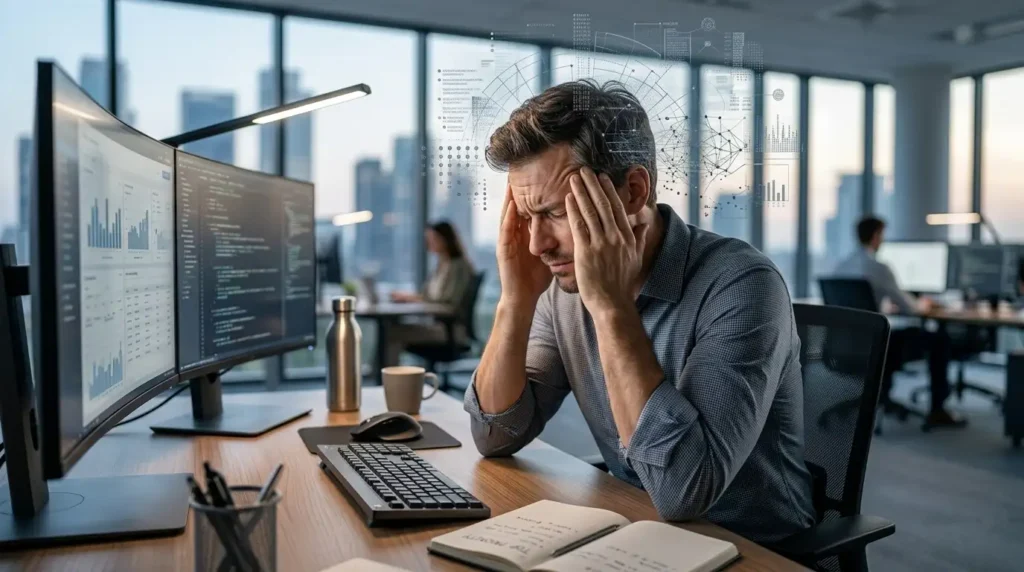
The problem with chronic stress is that if left unchecked, it keeps you in this constant state of high alert. This can lead to serious health problems, including high blood pressure, stomachaches, headaches, anxiety, and depression. Chronic stress also increases your risk for heart disease, diabetes, and obesity.
Your body has a built-in relaxation response, the natural antidote to the stress response. When triggered, your breathing and heart rate slow down, and your blood pressure decreases. The good news is that you can learn to trigger this response whenever you need it.
Breathing Techniques for Immediate Calm
Breathing is one of the most accessible and effective tools for reducing stress. It works by activating the vagus nerve, the main pathway of the parasympathetic nervous system, which promotes rest and relaxation.
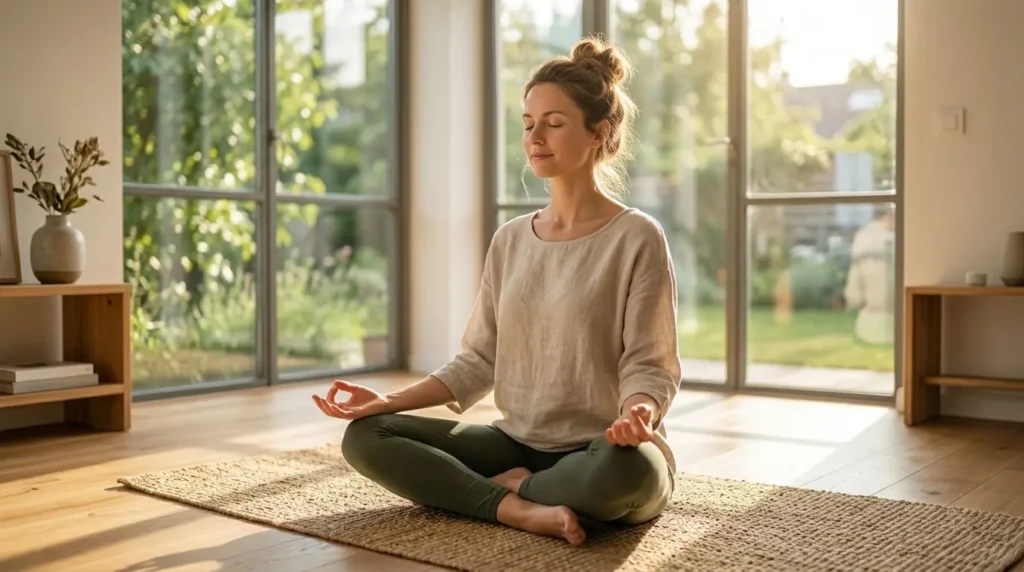
A recent study found that slow-paced breathing lowers perceived stress in daily life. The research showed that people experienced immediate stress reduction after practicing slow breathing exercises. When participants felt the breathing felt natural, the stress reduction was even greater.
Slow-Paced Breathing
Count to 3 as you slowly inhale, then count to 6 as you exhale. Counting longer as you breathe out helps calm your nervous system.
Diaphragmatic Breathing
Sit or lie down comfortably. Place one hand on your chest and the other on your abdomen. Breathe in deeply through your nose, filling your belly with air. Breathe out slowly, pressing gently on your chest. Relax the muscles in your face, jaw, neck, and shoulders.
Box Breathing
Breathe in for 4 seconds, hold for 4 seconds, exhale for 4 seconds, and hold for 4 seconds. Repeat several times.
Simple, Relaxed Breathing
Find a quiet place to sit or lie down. With your eyes closed, breathe in and out through your nostrils. Focus on the feeling and sound of your breathing. Continue for 5-20 minutes.
Movement and Exercise for Stress Relief
Physical activity is one of the most powerful natural stress reducers. Regular aerobic exercise helps your body release fewer stress hormones in response to daily stressors. At the same time, exercise stimulates endorphin production, creating a calming, mood-lifting effect.
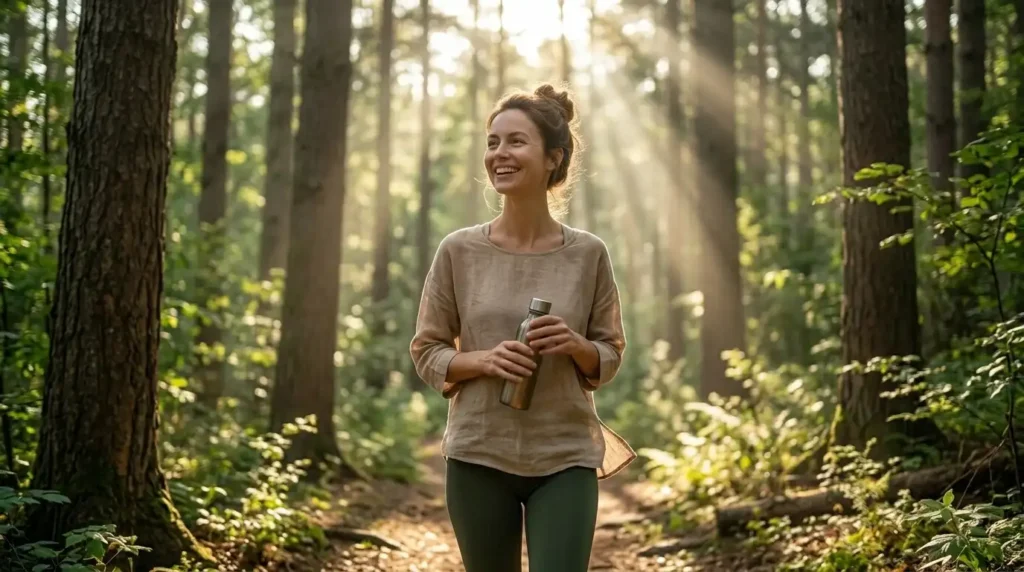
Woman enjoying a relaxing walk in nature to relieve stress
What the research shows:
Regular aerobic exercise helps your body’s stress system release fewer stress hormones. Physical activity can reduce stress, improve sleep quality, and boost vitality. Even a short walk can help relax tense muscles and give your brain a boost.
Simple ways to move:
Taking a walk outdoors, even 10-15 minutes daily, can make a difference. Try yoga; studies show it reduces mental stress and improves sleep quality. Gentle movement like qigong, tai chi, or stretching can elicit the relaxation response. Rhythmic exercises like walking, jogging, swimming, or bicycling can be calming. Find movement you enjoy; any activity that gets you moving counts.
Taking a mindful walk is a good example of exercising with relaxation in mind. As you move and breathe rhythmically, be aware of the sensations of your body. Gradually expand your awareness of the sights and smells around you.
Mindfulness and Meditation
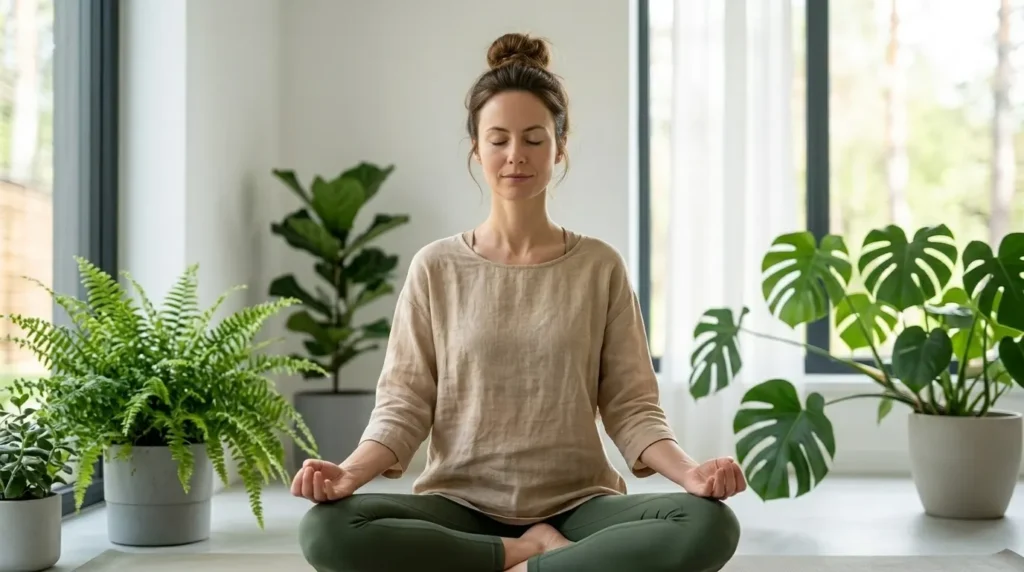
Mindfulness is the practice of being fully present in the moment, not living your life on “autopilot.” It can help you react in a calmer way to your emotions and thoughts, including those that cause stress.
What the research shows:
A large multi-site study of over 2,200 participants found that single, standalone mindfulness exercises effectively reduced self-reported short-term stress. The body scan exercise showed the largest stress reduction among the exercises tested. Mindfulness-Based Stress Reduction (MBSR) programs contribute to statistically significant reductions in stress levels through enhanced emotional regulation and attentional control.
How to practice mindfulness:
Focused attention involves focusing your attention on your breath, an object, or a set of words. Open attitude means staying open to thoughts that come into your mind without judging them. Instead, let them go by bringing your attention back to your focus. A body scan involves lying down in a quiet place and focusing your attention on different parts of your body, starting from your toes and moving up.
Nature and Green Spaces
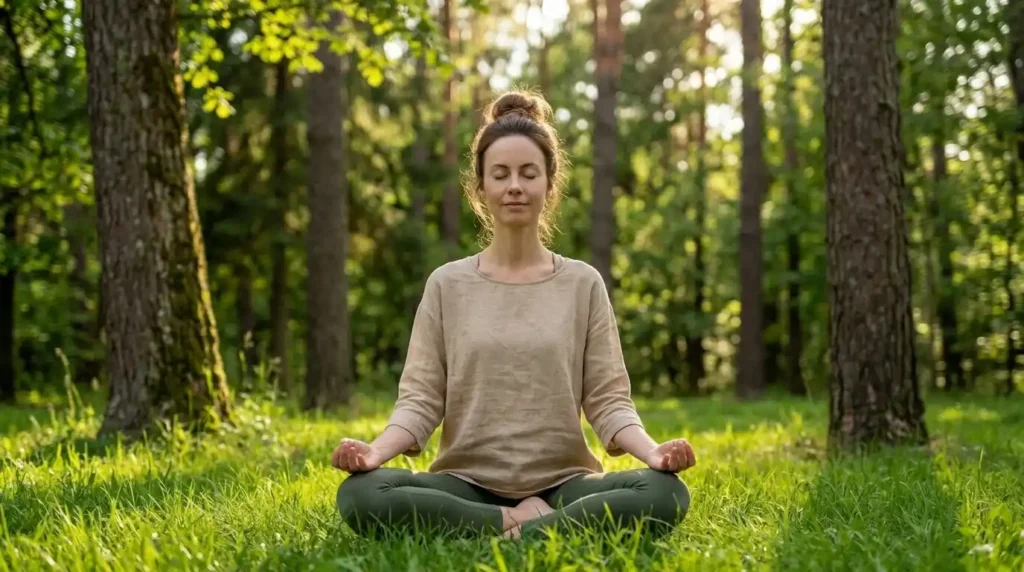
Spending time in nature is one of the simplest and most effective stress reduction strategies available. Being in nature relieves tension, improves mood, and increases feelings of calm.
What the research shows:
Time outdoors in green spaces has been proven to lower stress levels. Gardening is associated with a lower risk of depression and cognitive decline. A slow, mindful walk outdoors helps center and relax you.
Simple ways to connect with nature:
Take a stroll outdoors, slow your pace, and notice what you see, hear, and smell. Take a mindful walk and be aware of the sensations of your body and the world around you. Spend time in your garden; even a small garden can boost your mental well-being. Spend time with animals; stroking a pet can reduce blood pressure and stress levels.
Social Connection and Support
Humans are wired for connection. Social support helps protect against the harmful effects of stress.

Why connection matters:
People who report having close relationships have lower levels of cortisol than those who don’t feel as connected. Spending time with friends and beloved family members can help combat negative emotions and stress. Socializing with friends and family is a great way to reduce stress.
Simple ways to connect:
Call or meet up with a friend or family member. Join a community group, or volunteer; volunteering can also help you make new friends. Pet your pet; stroking a furry friend reduces stress and blood pressure. Spend quality time with loved ones.
Lifestyle Habits That Reduce Stress
Supporting your overall wellness creates a solid foundation for stress management.
Get quality sleep. Getting enough sleep allows you to function at your best and positively impacts your mood. This helps you manage stress better.
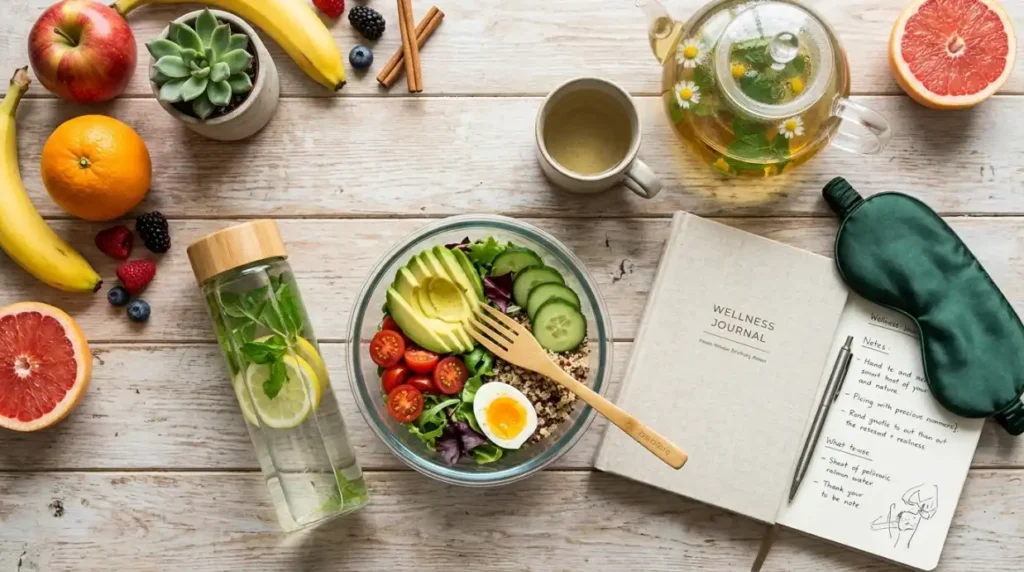
Eat a nutritious diet. A well-balanced diet is essential to maintaining your well-being. Try to reduce your use of stimulants like caffeine, avoid using alcohol as a way of reducing stress, and follow healthy eating guidelines. Fluctuating blood sugar is actually a significant internal stressor.
Stay hydrated. When you’re stressed, you might turn to coffee, but caffeine can upset your sleep, digestion, and mood. Choose caffeine-free hydration instead.
Try aromatherapy. Breathing in the aroma of natural essential oils from plants like lavender, bergamot, and lemon may help improve your mood and reduce stress.
Take mini-breaks. Even the simple act of pausing for a moment several times a day to take deep breaths and consciously relax can be an effective way to let go of stress and promote a more peaceful frame of mind.
Quick Stress-Busting Strategies
Watch something funny. A good belly laugh can relax muscles, lower blood pressure, reduce cortisol levels, and release natural painkillers. Even a few minutes of laughter is a terrific stress reliever.
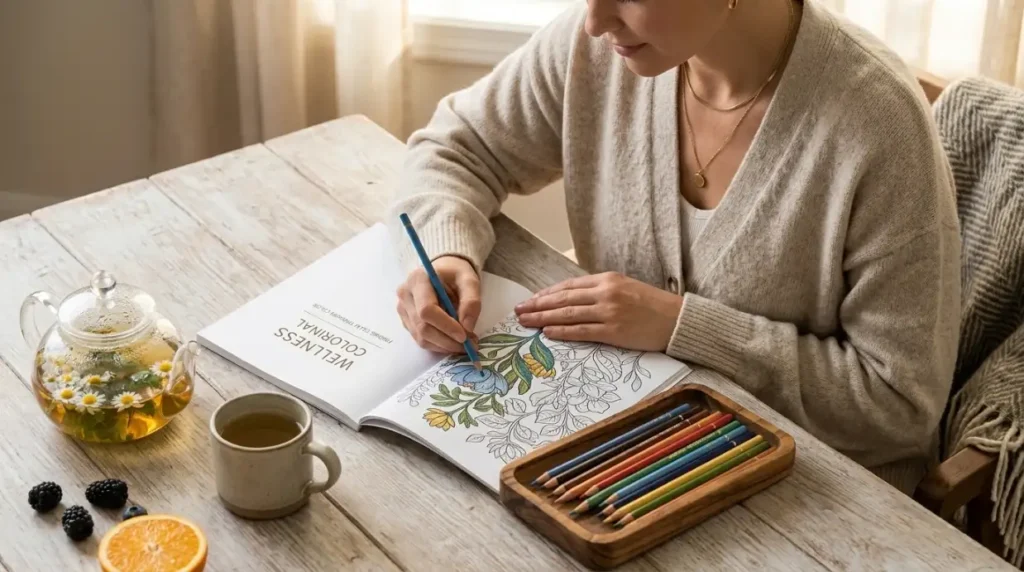
Try adult coloring. Coloring books for adults are a trend for a reason: they’re fun, they can ease anxiety, and they don’t require any artistic ability.
Do a mini relaxation exercise. Set aside just 5 or 10 minutes each day to practice relaxation techniques. You’ll be better equipped to manage stress as it happens.
Pull out the colored pencils. This creative activity can soothe anxiety and help you focus on something calming.
When to Seek Professional Help
Self-care is important, but it’s not a substitute for professional support. If you feel stressed often, let your doctor know.
Signs you may need professional support:
- You feel unable to cope with daily life
- You’re always stressed or can’t manage your stress
- You have persistent anxiety, depression, or difficulty sleeping
- You’re using alcohol or drugs to cope
- You have thoughts of harming yourself
Where to find support:
Talk to your doctor or a therapist. Cognitive Behavioral Therapy (CBT) is a highly effective approach for anxiety and stress. Call or text 988 (Suicide & Crisis Lifeline) for immediate support.
Frequently Asked Questions
1. What are the most effective natural ways to reduce stress?
The most effective natural stress reducers include slow breathing techniques, regular physical activity, mindfulness meditation, time in nature, social connection, quality sleep, and healthy nutrition .
2. Does exercise really reduce stress?
Yes. Regular aerobic exercise helps your body release fewer stress hormones and stimulates endorphin production, creating a calming, mood-lifting effect. Even a short walk can make a difference.
3. How does slow breathing help with stress?
Slow breathing activates the vagus nerve, which promotes relaxation. A recent study found that slow-paced breathing exercises provide immediate reductions in perceived stress in daily life.
4. Can spending time in nature reduce stress?
Yes. Spending time in nature relieves tension, improves mood, and increases feelings of calm. Gardening has also been linked to lower depression risk.
5. Is mindfulness effective for stress relief?
Yes. A large study of over 2,200 participants found that single, standalone mindfulness exercises effectively reduce self-reported short-term stress. Mindfulness-based stress reduction programs also show statistically significant stress reduction.
6. What are quick ways to reduce stress in the moment?
Try slow-paced breathing, laughing at a funny video, spending a few minutes in nature, petting an animal, or doing a quick relaxation exercise.
7. How does social connection help with stress?
People with close relationships have lower cortisol levels than those who don’t feel connected. Spending time with friends and family helps combat negative emotions and stress.
8. Should I seek professional help for stress?
Yes, if you feel stressed often or if stress is affecting your ability to cope with daily life. Talk to your doctor or a therapist.
Key Takeaways
- Chronic stress keeps your body in fight-or-flight mode and can harm your health
- Slow-paced breathing provides immediate perceived stress reduction in daily life
- Regular aerobic exercise helps your body release fewer stress hormones
- Mindfulness exercises effectively reduce short-term stress
- Time in nature relieves tension, improves mood, and increases calm
- Social connection and support help protect against the harmful effects of stress
- The relaxation response is your body’s natural antidote to stress, and you can learn to trigger it
- If self-care isn’t enough, professional support is available and effective
Conclusion
Stress is a part of life, but it doesn’t have to control your life. Evidence-based natural strategies can help you manage stress effectively and build resilience for the long term.
Breathing, movement, mindfulness, nature, connection, and healthy habits all play a role in stress reduction. Start with one strategy from this guide today. Just one. Take a 10-minute walk. Try slow-paced breathing. Spend time outside. Call someone you trust.
Small actions, repeated consistently, create lasting change. You deserve to feel calm and balanced. And it starts with simple choices you can make today.
Medical Disclaimer
This article is for educational and informational purposes only and is not medical advice. Always consult with a qualified healthcare provider regarding any health concerns. If you are experiencing severe or persistent stress, anxiety, or depression, please seek professional support.

Hi, I’m Grace Mitchell, the content writer behind LaxiBoost.I believe that small daily habits can make a meaningful difference in how we think, feel, and live. Through LaxiBoost, I write about mental wellness, mindfulness, self-care, stress management, healthy habits, and personal growth in a way that’s simple, practical, and easy to understand. My goal is to turn reliable information into actionable guidance that anyone can apply in everyday life.
Every article I publish is carefully researched and written with readers in mind. If you’re looking to reduce stress, improve your mindset, or develop healthier routines, I hope LaxiBoost provides the support and inspiration you need on your wellness journey.
Thank you for visiting LaxiBoost and being part of this growing community.