Do you ever feel like everyone else’s needs come first? Maybe you’re juggling work, family, and countless responsibilities, and somewhere along the way, you forgot to include yourself on the list.
You’re definitely not alone. Women are often the backbone of families and communities, juggling work, relationships, and endless to-do lists. Many women feel obligated to put the needs of others before their own. And when time and money are tight, looking after your own health can slip to the bottom of the list.
But here’s the thing: self-care isn’t selfish; it’s essential. When you don’t take care of yourself, the impact can have a ripple effect that leads to burnout, chronic stress, and even a decline in physical health.
Prioritizing your well-being allows you to maintain your physical, mental, and emotional health, leading to a more balanced and fulfilling life.
The good news? Self-care doesn’t have to be expensive or time-consuming. Small, consistent habits can make a real difference to how you feel.
In this guide, you’ll discover:
- What self-care for women really looks like
- Practical ideas that fit into busy schedules
- Simple ways to nurture your physical, mental, and emotional health
- How to let go of guilt and make yourself a priority
Let’s explore how you can start caring for yourself without adding more stress to your plate.
Why Self-Care Matters for Women
Women experience unique health challenges throughout their lives. Hormonal changes, stress, caring responsibilities, and social pressures can all affect energy levels, mood, and overall well-being.
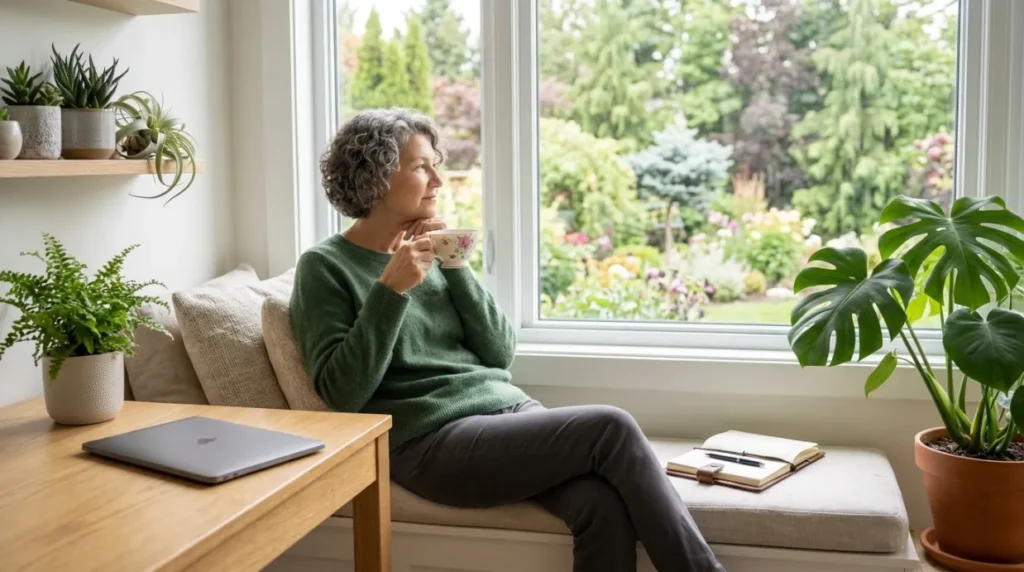
Common challenges women face:
- Lack of time. Putting everyone else first often leaves little space for self-care.
- Stress and tiredness. Juggling responsibilities can lead to burnout.
- Hormonal changes. Periods, pregnancy, and menopause can affect sleep, mood, and pain levels.
- Cost barriers. Therapies, treatments, or memberships aren’t always affordable.
Here’s why prioritizing yourself matters:
- Stress reduction. Chronic stress weakens the immune system and makes you more susceptible to health issues. Engaging in self-care practices can effectively reduce stress levels.
- Mental and emotional well-being. According to the National Institutes of Mental Health, women are more susceptible to anxiety, depression, and eating disorders. Self-care holds significant potential to enhance mental health and foster emotional resilience.
- Physical wellness. Nurturing self-care routines, such as maintaining a nutritious diet and staying physically active, is pivotal in preventing chronic illnesses like heart disease and diabetes.
- Empowerment. Prioritizing self-care empowers women to take control of their lives and make informed decisions concerning their bodies and life choices.
- Balancing multiple roles. Self-care is the foundation of good physical, mental, emotional, and spiritual health that fosters the resilience needed in balancing multiple facets of life.
- Stronger relationships. When women prioritize self-care, they are more present and emotionally available for their loved ones.
Physical Self-Care Ideas
Looking after your body is the foundation of well-being. Here are simple ways to nurture your physical health.

Prioritize Sleep
Quality sleep is one of the most powerful tools for better health. Aim for 7-9 hours each night to rejuvenate your body and mind. Create a calming bedtime routine: limit screens, dim the lights, or practice deep breathing.
Move Your Body Gently
You don’t need a gym membership to stay active. Walking, stretching, yoga, or short home workouts can boost your mood, improve sleep, and support heart health. As little as 10 minutes a day counts. Physical activity releases endorphins, helps manage stress, and supports heart health. Aim for at least 30 minutes of moderate activity most days.
Eat to Nourish
Healthy eating doesn’t mean perfect meals. Regular meals with simple ingredients, vegetables, fruit, whole grains, and protein can help keep your energy levels steady and support hormone balance. Planning ahead can also save you money. Try using simple staples like eggs, tinned legumes, leafy greens, frozen vegetables, and yogurt for quick, nourishing meals.
Stay Hydrated
Drinking enough water is essential for digestion, skin health, and overall well-being. Aim for at least 8 glasses daily. Even mild dehydration can affect concentration and energy.
Schedule Regular Health Check-Ups
Prevention is powerful. Stay on top of regular screenings and check-ups with your healthcare provider. Early detection and proactive care are key to long-term health. This includes breast cancer screenings, pap smears, and monitoring heart health.
Mental and Emotional Self-Care Ideas
Caring for your mind is just as important as caring for your body. Here are simple ways to nurture your mental and emotional well-being.

Check In with Your Emotions
Take a few minutes to notice how you’re feeling. Journaling, mindfulness, or breathing exercises can help you feel calmer and more in control. Being self-aware of your feelings is an effective self-care practice. It helps you maintain balance and stay in tune with your overall mental health.
Start a Gratitude Journal
Write down three things you’re grateful for each day. Focusing on what you’re thankful for can shift your mindset toward positivity. Research suggests that people who practice gratitude are happier and healthier.
Practice Self-Compassion
Women are notorious for being their own harshest critics. Treat yourself with the same kindness you offer friends and family. Acknowledge your own strengths and accomplishments, and remember that it’s okay not to be “perfect.” Stand in front of a mirror and verbalize things you love about yourself, or write affirmations and compliment yourself daily.
Set Healthy Boundaries
Self-care also means knowing when to say no. Setting boundaries with others can help you manage your energy and prioritize your needs. Saying no without guilt goes a long way in prioritizing your overall well-being. Establish boundaries like limiting work emails outside office hours or designating specific times for family and friends.
Take a Break from Digital Distractions
Constant exposure to social media can be overwhelming and detrimental to mental health. Step away from your phone or tablet and use this time for activities that make you laugh or relax. Try a 20-minute screen-free period before bed to improve sleep quality .
Do Something You Enjoy
Hobbies aren’t just “nice-to-haves”; they’re essential for happiness and stress relief. If you like reading, gardening, painting, or listening to music, make space for activities that bring you joy. Doing something just because you like it is a real form of self-care.
Get Professional Support When Needed
Therapy is invaluable when it comes to improving mental and emotional health. If you’re managing stress, anxiety, or depression or seeking personal growth, therapy can be a powerful tool. If you’ve been overwhelmed with stress, anxiety, or sadness, make an appointment with a counselor.
Micro Self-Care for Busy Women
When life feels like a never-ending to-do list, self-care can seem like a luxury. That’s where micro self-care comes in: bite-sized habits you can fit into your existing routine.

One-Minute Breathing Break
Set aside 60 seconds to focus on deep breathing. Inhale for four counts, hold for four, and exhale for six. This tiny reset can clear your mind and reduce stress.
Stretch at Your Desk
Loosen up tight shoulders or a stiff neck with a quick stretch. Rolling your shoulders or doing seated twists can make a big difference in how your body feels.
Write Down One Positive Thing
Take 30 seconds to jot down one thing that went well today. It could be as small as a good parking spot or a kind word from a colleague.
Take a Five-Minute Walk Outside
If you spend all day sitting at a desk, a quick walk outside can do wonders. Fresh air helps you deal with stress and provides a mental reset.
Say a Daily Mantra
Start your day with a simple, positive affirmation. Some ideas: “I am enough just as I am,” “I can handle whatever comes my way today,” or “I am worthy of love, care, rest, and respect.”
Let Someone Know You Appreciate Them
Send a quick text or say a kind word to someone you care about. Expressing gratitude strengthens relationships and boosts your mood.
Savour a Healthy Snack
Instead of eating on autopilot, pick a nutritious snack to enjoy mindfully. Focus on the taste, texture, and smell, and let yourself truly enjoy it.
Self-Care for Every Stage of Life
Self-care needs change throughout a woman’s life. Here’s a guide for different stages.

Your 20s: Laying the Foundation
Your 20s are a time of exploration and growth, where building healthy habits can set the stage for a lifetime of wellness. Focus on learning to manage stress through mindfulness, establishing regular exercise and balanced nutrition, and prioritizing mental health awareness. Therapy or counseling is an invaluable part of self-care.
Your 30s: Balancing More Demands
In your 30s, many women focus on starting a family or advancing in their careers. Stress relief becomes crucial; try techniques like progressive muscle relaxation, yoga, or mindful breathing. Schedule preventative health checkups like cholesterol, blood pressure, and blood sugar monitoring.
Your 40s: Navigating Perimenopause
As you enter your 40s, perimenopause may begin. Regular exercise, especially weight-bearing activities, symptoms. helps improve bone density, activities, and symptoms. Manage weight. Focus on foods that support hormonal health, like those rich in antioxidants, healthy fats, and fiber. Staying on top of screenings for breast cancer and osteoporosis is vital.
Your 50s and Beyond: Embracing Menopause
Menopause marks a new phase of life. Stay connected with loved ones and engage in hobbies that bring you joy. Include calcium-rich foods and stay active with weight-bearing exercises to support bone health. Create a calming bedtime routine to address sleep challenges from night sweats or other symptoms.
Creating a Sustainable Self-Care Routine
Building a self-care routine that works for you takes intention and flexibility.
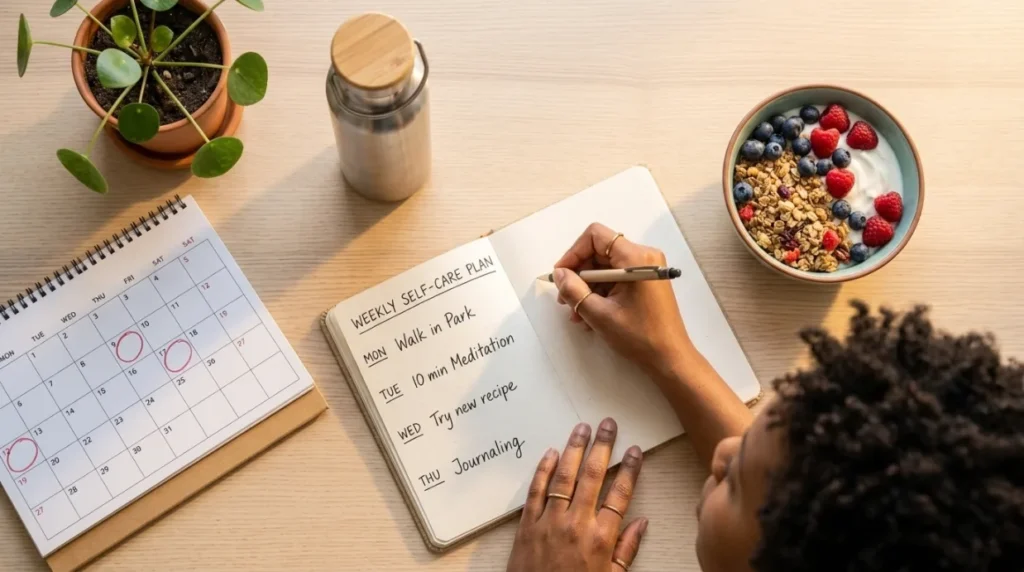
Assess your needs. Reflect on your physical, mental, and emotional well-being. Identify areas where you need self-care the most.
Set realistic goals. Start small with achievable goals that fit into your daily life.
Plan and schedule. Allocate time for self-care activities in your schedule and treat them as important commitments.
Start with one or two practices. You don’t have to incorporate everything at once. Choose one or two tips you believe will be the most beneficial.
Stay consistent. Consistency is key to reaping the benefits.
Adapt and adjust. Your self-care routine may need adjustments over time. Be flexible and willing to adapt as your needs change.
Remember: rest doesn’t need to be earned. You deserve care, not because you’ve earned it, but because you’re human.
Frequently Asked Questions
1. What is self-care for women?
Self-care for women means taking intentional steps to nurture your physical, mental, and emotional well-being. It involves prioritizing your needs and making choices that support your health and happiness.
2. Why is self-care important for women?
Self-care helps reduce stress, supports mental and emotional well-being, prevents burnout, and empowers women to take control of their lives. It also helps you show up better for the people who depend on you.
3. What are simple self-care ideas for busy women?
Simple ideas include one-minute breathing breaks, stretching at your desk, writing down one positive thing, taking a five-minute walk, saying a daily mantra, and staying hydrated.
4. Is self-care selfish?
No. Self-care is not selfish; it’s essential. When you take care of yourself, you’re better able to care for others. It’s like the oxygen mask principle: you need to take care of yourself before you can properly care for others.
5. How do I start a self-care routine?
Start small. Choose one or two practices that resonate with you. Schedule them into your day, and be consistent. You can gradually add more as you build the habit.
6. What does the National Institute of Mental Health say about self-care?
The National Institute of Mental Health says self-care is “taking the time to do things that help you live well and improve your physical health and mental health.”
7. How can I practice self-care without spending money?
Many self-care practices are free or low-cost. Walking, stretching, journaling, deep breathing, connecting with friends, spending time in nature, and practicing gratitude cost nothing. happiness.”
Key Takeaways
- Self-care for women isn’t selfish; it’s essential for physical and mental health
- Women often juggle multiple roles and need to intentionally prioritize their well-being
- Simple, consistent habits like moving your body, getting enough sleep, and setting boundaries make a real difference
- Micro self-care practices can fit into even the busiest schedules
- Self-care needs change throughout different stages of life
- Start small, be consistent, and give yourself permission to rest without guilt

Conclusion
Self-care for women isn’t about indulgence or luxury. It’s about recognizing that you are worth caring for. It’s about building the foundation that allows you to show up for your life and the people in it with more energy, patience, and resilience.
As one expert puts it, “Self-care means making choices that build your long-term health, strength, and happiness. “And the best part? It doesn’t have to be complicated or expensive.
Start with one practice from this guide today. Just one. Take a five-minute walk. Write down three things you’re grateful for. Call a friend. Set one small boundary.
Small actions, repeated consistently, create meaningful change. You deserve to feel your best. And it starts with simple choices you can make today.
Ready to Prioritize Your Well-Being?
Choose one self-care idea from this guide and commit to it for the next seven days. Write it down, set a reminder, and notice how you feel. Your future self will thank you.
Medical Disclaimer
This article is for educational and informational purposes only and is not medical advice. Always consult with a qualified healthcare provider regarding any health concerns. If you are experiencing severe or persistent mental health issues, please seek professional support.

Hi, I’m Noah Richardson, the content writer behind LaxiBoost. I write about self-care and personal well-being to help people build healthier and more balanced lives. My goal is to turn trusted information, easy-to-follow advice that anyone can apply in daily life.
I believe self-care is more than an occasional activity it’s a lifelong habit that supports both mental and physical well-being. Through my articles, I share simple strategies, practical tips, and research-based insights to help you reduce stress, improve your daily routine, and take better care of yourself with confidence.
Thank you for reading LaxiBoost. I hope my content helps you create healthier habits and enjoy a happier, more balanced lifestyle.