Do you ever feel like your body is sending you signals you keep ignoring? Maybe it’s that persistent tension in your shoulders, the afternoon energy crash, or the feeling of running on empty by midweek. These aren’t random annoyances; they’re your body asking for attention.
Physical self-care is the foundation of overall well-being. When you care for your body, everything else in your life tends to improve. Your mood lifts, your energy increases, and your mind feels clearer.
The good news? Physical self-care doesn’t require a gym membership, expensive equipment, or hours of free time. Simple, consistent habits can make a significant difference in how you feel.
This guide offers practical physical self-care habits you can start using today. If you’re looking to move more, sleep better, or simply feel more connected to your body, you’ll find something here that works for you.
What Is Physical Self-Care?
Physical self-care is the practice of taking intentional steps to maintain and improve your physical health and well-being. It goes beyond just exercising; it encompasses everything from nutrition and sleep to hydration and preventive care.

Your body is the only one you have throughout your entire life. Fueling it properly and keeping it well-nourished and happy is vital. Physical self-care includes activities that improve the well-being of our physical health. It can be as simple as brushing our teeth in the morning or taking a warm shower.
At its core, physical self-care is about treating your body with respect and kindness. It means listening to what your body needs and responding with care rather than neglect. This might look like getting enough sleep when you’re tired, eating nourishing food when you’re hungry, or moving your body when you’ve been sitting too long.
Physical self-care is interconnected with every other aspect of your well-being. When you neglect your body, it affects your mood, your relationships, your ability to focus, and your overall quality of life. Conversely, when you prioritize physical self-care, you build a strong foundation that supports everything else you do.
Why Physical Self-Care Matters
Physical self-care is not just about preventing illness or staying fit. It’s about creating the conditions for your body to function optimally. When you take care of your physical needs, you experience real, measurable benefits.
The benefits of physical self-care include:
- Better mood and mental health. Regular exercise and proper sleep are proven to reduce symptoms of anxiety and depression. Moving your body releases endorphins, natural mood boosters that help you feel better.
- More energy throughout the day. When you fuel your body with nutritious food and adequate rest, you have sustained energy instead of afternoon crashes.
- Improved resilience to stress. A well-cared-for body is better equipped to handle life’s challenges.
- Increased confidence and self-esteem. Taking care of your body sends a powerful message that you value yourself.
- Better ability to care for others. When you’re physically well, you have more to give to the people who matter to you.
Think of yourself as a smartphone. You can’t run 20 apps at once, stream content, and scroll endlessly without eventually hitting 1% battery. Self-care is your charger; it keeps you running smoothly and prevents you from crashing. The CDC emphasizes that “your self-care is your health care.” Making time for physical self-care isn’t selfish; it’s essential for maintaining your overall health.
Movement and Exercise Habits
Movement is one of the most powerful forms of physical self-care. It doesn’t have to be intense or time-consuming to be beneficial.

Walk Every Day
Walking is one of the simplest and most accessible forms of physical self-care. A daily 20-minute walk can boost your mood, improve circulation, and help you feel more grounded. If you walk in the morning to start your day, during lunch for a mental reset, or in the evening to unwind, the benefits are significant.
Simple walking tips:
- Start with 10 minutes a day and gradually increase
- Walk without distractions; leave your phone behind
- Notice your surroundings: the sky, the trees, the sounds
- Use walking as a transition between work and home
Try Gentle Movement
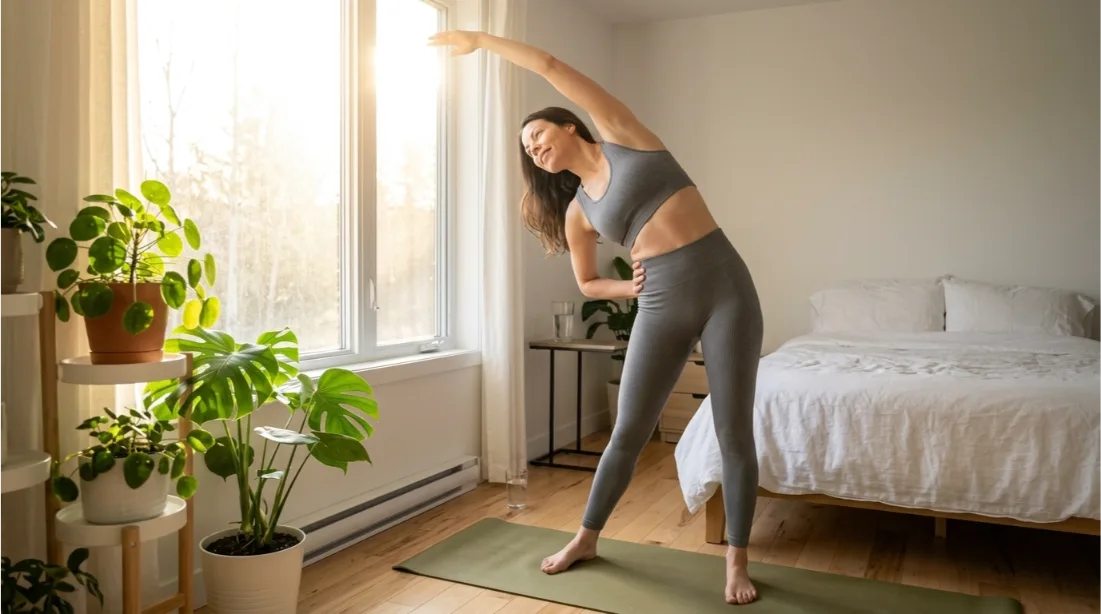
Exercise doesn’t have to mean an intense gym session. Gentle movement can be just as beneficial and much more sustainable. Short morning yoga routines, stretching, or online fitness classes can keep you active without feeling overwhelming.
Gentle movement ideas:
- 10 minutes of morning yoga
- Stretching during work breaks
- Dancing to your favorite song
- Taking the stairs instead of the elevator
- Gardening or light outdoor work
Stretch Your Body
Stretching is a deeply nourishing form of physical self-care. It improves blood flow, promotes joint health, and reduces your risk of injury. Many of us carry tension in our shoulders, neck, and jaw without realizing it. Regular stretching helps release this tension and reminds you to be present in your body.
When to stretch:
- First thing in the morning to wake up your body
- During breaks at work to release tension
- Before bed to wind down and prepare for sleep
- After any period of sitting for long periods
Find Movement You Enjoy
The best exercise is the one you’ll actually do. If you dread running, don’t make it your primary form of exercise. Instead, find movement that brings you joy. This could be dancing, swimming, hiking, cycling, or even playing with your kids or pets. When movement feels like a treat rather than a chore, you’re much more likely to stick with it.
Exercise releases natural endorphins, dopamine, serotonin, and adrenaline in your brain. The goal is to find physical activities that you truly enjoy pursuing.
Sleep and Rest Habits
Quality sleep is one of the most important forms of physical self-care. Yet many of us struggle to get enough rest.

Prioritize Sleep
The average person needs 7–8 hours of sleep per night. Yet many of us consistently fall short. Sleep deprivation can lead to an increased risk of heart attack, stroke, diabetes, and obesity. Prioritizing sleep is one of the most impactful things you can do for your health.
Simple sleep habits:
- Set a consistent bedtime and wake-up time, even on weekends
- Create a relaxing wind-down routine before bed
- Make your bedroom a screen-free zone
- Keep your bedroom cool, dark, and quiet
Take Short Naps
A short nap of 20–30 minutes can boost your mood, focus, and energy levels without interfering with nighttime sleep. If you’re feeling drained in the afternoon, give yourself permission to rest. Even a power nap can be a form of proactive self-care.
Create a Screen-Free Bedtime Routine
The blue light from screens can interfere with sleep by suppressing melatonin production. Try putting away devices at least an hour before bed and replacing them with something calming: reading a physical book, gentle stretching, or listening to quiet music.
Sleep is when your brain takes out the trash; literally, it clears out toxins. So don’t skimp on it.
Nutrition and Hydration Habits
What you put into your body matters. Nutrition and hydration are foundational to physical self-care.
Stay Hydrated
Your body is about 60 percent water, which you lose through sweat, breath, and bodily waste. Staying hydrated improves your focus, energy, digestion, and skin health. The recommendation is eight 8-ounce glasses per day. A simple physical self-care habit is to carry a water bottle with you wherever you go.
Hydration tips:
- Start your day with a glass of water
- Keep water visible at your desk
- Set reminders to drink throughout the day
- Add fruit slices for natural flavor
Even 1-2% dehydration can impair memory, mood, and mental clarity. Drinking enough water signals to your brain that you matter.
Eat Nutritious Meals
Fueling your body with proper nutrition is an often-overlooked self-care strategy. A well-balanced diet rich in fruits, vegetables, lean protein, and clean carbohydrates provides the vitamins and minerals your brain and body need to function properly.

Simple nutrition habits:
- Add fruits and vegetables to every meal
- Try meal prepping to make healthy eating easier
- Eat mindfully, without distractions
- Include protein and fiber for sustained energy
Aim for a healthy diet, consume minimal caffeine and alcohol, and avoid processed foods. Taking small steps here is a great approach. For instance, if you currently eat only one vegetable or piece of fruit a day, bump it up to two. Do that for a week, and then bump it up again until you get to 5-7 servings a day.
Enjoy Your Food
Healthy eating doesn’t have to be bland and predictable. There are many ways to add flavor to a dish with single fresh ingredients. Cooking can be a form of physical self-care; the process of preparing a nourishing meal is calming and therapeutic.
Balance is key. We’re not saying you have to give up pizza or chocolate (because that’s just cruel), but balance is important. Treat yourself occasionally without guilt. Life’s too short to skip dessert.
Body Care and Hygiene Habits
Caring for your body’s external needs is another important aspect of physical self-care.

Practice Good Hygiene
Regular hygiene habits aren’t just about appearance; they’re about caring for your body with intention. This includes basic practices like washing your face, taking regular showers, and caring for your skin and hair.
Hygiene is a pathway to nervous system regulation and restored dignity. Small shifts like brushing your teeth in the morning signal to your brain that you matter.
Take a Relaxing Bath
Running yourself a bath and taking time to enjoy it is a simple yet powerful form of physical self-care. A warm bath can relax your muscles, ease tension, and give you a chance to unwind. Add Epsom salts or essential oils for an enhanced experience. Taking a shower can help with more than just personal hygiene.
Wear Comfortable Clothes
Wearing clothes that make you feel comfortable and confident is a form of physical self-care. After a long day, changing out of work clothes and into something comfortable can signal to your body that it’s time to relax.
Pamper Yourself Occasionally
Consider treating yourself to things like a pedicure or a haircut. A relaxing pedicure can help you maintain ideal foot and nail health, and it’s typically a relaxing process that can help stress melt away. Oftentimes pedicures are paired with short massages, which can help boost circulation to your feet. Haircuts also tend to help improve our self-image and confidence, which can be great for our mental health.
Preventive Care Habits
Physical self-care also involves being proactive about your health.

Attend Regular Check-ups
Scheduling and attending annual medical check-ups is an important form of preventive physical self-care. Regular visits to your healthcare provider help catch potential issues early and keep you informed about your health. Get routine check-ups, being mindful of the types of check-ups and labs that your doctor recommends, based upon your age, health, and health history.
Address Any Issues
Address any issues you’re having with ongoing pain or physical discomfort by seeing your physician. Ignoring pain or discomfort rarely makes it go away; it often makes it worse.
Listen to Your Body
Your body is constantly sending signals about what it needs. Physical self-care means paying attention to these signals and responding with care.
What to notice:
- Physical sensations: tightness, warmth, discomfort
- Energy levels: when you feel tired, rest
- Appetite and thirst: eat and drink when you need to
- Pain: don’t ignore persistent pain; seek care
Take Rest When Needed
If you’re not feeling well, take a rest or a day off from work. Pushing through illness or fatigue often prolongs recovery and can lead to more serious issues.
Daily Sunlight Exposure
Spending time in the sunlight is an often-overlooked aspect of physical self-care.

Get Some Sun
Factors like your skin pigmentation and where you live can make you deficient in vitamin D, leading to an increased risk for certain diseases and feelings of depression. Make sure you go outside in the sunlight for a brief period every day to help boost your levels.
Sunlight tips:
- Aim for 15-30 minutes of sunlight exposure daily
- Go for a walk during your lunch break
- Sit outside while having your morning coffee
- As a bonus, walking is a great stress reliever and great for your health
The sun can be your body’s best friend; it not only boosts your mood, but its rays also have tangible benefits for your physical well-being.
Creating Sustainable Habits
Building physical self-care habits takes intention and a willingness to start small.
Start small. Don’t try to overhaul all your habits at once. Begin with one small change, a daily walk, a glass of water first thing in the morning, or a consistent bedtime. Once that becomes routine, add another.
Be consistent. Regular, small actions are more effective than occasional bursts of effort. A 10-minute walk every day is better than an hour-long workout once a month.
Make it enjoyable. Choose activities you actually enjoy. Physical self-care should feel nourishing, not like a chore.
Listen to your body. Your needs will change from day to day. Some days you might crave movement; other days you’ll need rest. Honor what your body is telling you.
Remember why it matters. Physical self-care isn’t selfish; it’s essential. When you care for your body, you’re better able to care for the people and things that matter to you.
Self-care can be as simple as drinking enough water, saying no to things that drain you, or taking a break when you feel overwhelmed. The key is consistency, not perfection.
Frequently Asked Questions
1. What is physical self-care?
Physical self-care is the practice of taking intentional steps to maintain and improve your physical health and well-being. It includes movement, nutrition, sleep, hydration, hygiene, and preventive care.
2. Why is physical self-care important?
Physical self-care reduces stress, improves mood, boosts energy, builds resilience, and enhances your ability to care for others. The CDC emphasizes that “your self-care is your health care.”
3. What are some simple physical self-care habits?
Simple habits include daily walks, gentle stretching, staying hydrated, getting 7-8 hours of sleep, eating nutritious meals, taking breaks to rest, and spending time in sunlight.
4. How much exercise do I need for physical self-care?
Even 20 minutes of walking per day can make a significant difference. Exercising at a moderate pace for 30 minutes, 4-5 times per week, is a great goal. If you’re not active at all, start with 10-minute walks three times a week and build up gradually.
5. How much sleep do adults need?
The average person needs 7-8 hours of sleep per night. Prioritizing sleep is one of the most impactful physical self-care habits you can develop.
6. Can hydration improve my well-being?
Yes. Staying hydrated improves focus, energy, digestion, and skin health. Even mild dehydration can impair memory, mood, and mental clarity. The recommendation is eight 8-ounce glasses per day.
7. What is the connection between physical self-care and mental health?
Physical self-care, especially exercise, sleep, and nutrition, directly impacts mental health. Regular exercise releases endorphins and other natural mood boosters in your brain.
8. How do I start a physical self-care routine?
Start small. Choose one habit, like a daily walk, drinking water first thing in the morning, or a consistent bedtime, and practice it consistently for a week before adding more. intense; find
Key Takeaways
- Physical self-care means nurturing your body with intention and kindness
- Simple habits like walking, stretching, and staying hydrated make a real difference
- Quality sleep (7-8 hours) is foundational to physical well-being
- Movement doesn’t have to be intense; find what you enjoy
- Nutrition and hydration fuel both your body and mind
- Sunlight exposure helps boost vitamin D and mood
- Preventive care check-ups, listening to your body, and resting when needed are essential
- Start small and build consistency over time

Conclusion
Physical self-care isn’t about perfection. It’s not about having a flawless diet, an intense workout routine, or a perfect sleep schedule. It’s about treating your body with the kindness and respect it deserves.
Think of yourself as a smartphone. You can’t run on 1% battery forever. Self-care is your charger; it keeps you running smoothly and prevents you from crashing.
Start small: a ten-minute walk, a glass of water, a consistent bedtime. Pay attention to how your body responds. Notice the shift in your energy, your mood, and your outlook.
Medical Disclaimer
This article is for educational and informational purposes only and is not medical advice. Always consult with a qualified healthcare provider regarding any health concerns. If you have any health issues or concerns, you should seek advice from your doctor before starting an exercise program or making significant changes to your diet

Hi, I’m Noah Richardson, the content writer behind LaxiBoost. I write about self-care and personal well-being to help people build healthier and more balanced lives. My goal is to turn trusted information, easy-to-follow advice that anyone can apply in daily life.
I believe self-care is more than an occasional activity it’s a lifelong habit that supports both mental and physical well-being. Through my articles, I share simple strategies, practical tips, and research-based insights to help you reduce stress, improve your daily routine, and take better care of yourself with confidence.
Thank you for reading LaxiBoost. I hope my content helps you create healthier habits and enjoy a happier, more balanced lifestyle.