You know that feeling when you finally close your laptop, but your brain is still running through tomorrow’s meeting agenda? Or when you’re physically home, yet mentally you’re still at the office, replaying that awkward conversation or worrying about a deadline?
You’re definitely not alone here. According to OSHA, 83% of U.S. workers report work-related stress, and more than half say it spills over into their home life. That mental carryover isn’t just annoying; it’s exhausting.
The transition between work and home matters more than most people realize. “After a long day at work, establishing intentional unwinding habits is key to both mental well-being and sustainable relaxation,” explains Sandra Kushnir, a licensed marriage and family therapist. Without a deliberate shift, your nervous system stays in that alert, problem-solving mode long after you’ve clocked out.
But here’s what I want you to know: effective after-work self-care doesn’t require elaborate rituals or big chunks of free time. Simple, consistent practices can help your brain switch gears and let you actually enjoy your evenings again.
Throughout this guide, we’ll explore practical transition rituals, relaxing activities that truly work, and simple ways to make after-work self-care a natural part of your routine.
Let’s figure out how to reclaim your evenings starting tonight.
What Is Self-Care After Work?
At its core, self-care after work is about creating a deliberate bridge between your professional identity and your personal life. It’s giving yourself permission to stop being “the employee” and start being “you” again.

After hours of focusing on work tasks, our brains need a reset. “When we give our minds permission to truly step away from work, we’re allowing our nervous systems to downregulate and move out of that constant state of vigilance and problem-solving,” explains marriage and family therapist Saba Lurie.
Self-care after work looks different for everyone. For some people, it’s a specific routine that signals the workday is officially over. Others prefer physical movement to shake off tension. Creative activities can offer a refreshing mental shift, while quiet time gives you space to decompress. And sometimes, connecting with loved ones is exactly what you need.
What matters isn’t which activity you choose; it’s that you choose something intentionally and that you do it consistently enough for it to become a habit your brain recognizes.
Why Transition Rituals Matter
People with commutes have a built-in advantage when it comes to switching off. That time in the car, on the train, or walking serves as a natural buffer, a pattern your brain recognizes as the dividing line between work and home.
But if you work from home, you don’t have that luxury. Without a physical commute, your brain can struggle to separate professional demands from personal time. That’s exactly why creating intentional transition rituals becomes so important.

“Having a consistent shut-down ritual can help,” Lurie says. “This can look like closing the windows you have open on your computer, closing your laptop, and putting it away.” When you pair a thought with a physical action, you’re giving your brain a clear signal: work is done.
Over time, these rituals become powerful cues. They tell your nervous system: the day is winding down, and you have permission to soften.
13 Self-Care Ideas to De-Stress After Work
1. Create a Transition Ritual
Jumping straight from work mode into home life does not give your brain time to reset. Creating a short transition, even just 10 minutes, can make a big difference. A quick walk outside, a few minutes of quiet time, or a short meditation can help signal to your body that the workday is over. If you have a commute, use that time to decompress by listening to music, calling a friend, or simply driving without checking emails.
2. Step Outside for Fresh Air and Sunlight
Spending time outside after work does more than give you a little fresh air. It can also help your body reset after a long day indoors. Even a short break outside can support your body’s natural rhythms, which may help you wind down more easily later. Exposure to sunlight helps regulate your melatonin cycles, improving your sleep quality. If you are short on time, set a timer and give yourself 10 minutes to walk, sit outside, or just get a little sunlight before heading into the rest of your evening.
3. Take a Walk Outside
Nothing cures the soul quite like being outside after a day stuck in the office. A walk outside is a breath of fresh air that helps you relax after work. You can call a friend, listen to a podcast, or play your favorite music playlist while you walk to help you get into a good headspace. This simple act of movement and connection with nature can significantly reduce stress.
4. Indulge in a Hot Bath or Shower
A hot bath or shower is a classic way to wash away the stress of the day. Adding a bath bomb or using your favorite scented products can turn this routine activity into a spa-like experience. The warm water helps relax your muscles, improve circulation, and promote restful sleep. It is a moment of peace where you can mentally and physically decompress before starting your evening.
5. Turn Skincare into a Ritual
Your evening skincare routine can be more than just a chore; it can be a meditative act of self-care. Instead of rushing, take a few extra seconds to slow down. Use a warm flannel instead of splashing water, or gently massage in your moisturizer or facial oil. This quiet moment is just for you, providing a calming effect that helps transition from work mode to personal time.
6. Dim the Lights and Create a Calm Atmosphere
Our bodies respond instinctively to light. Bright overhead lighting can trick your brain into thinking it is still time to be productive, making it harder to wind down. Switching to softer lighting at least an hour before bed using lamps, fairy lights, or warm-toned bulbs signals to your brain that it is time to slow down. Lighting a scented candle can also help stimulate relaxation responses in the brain.
7. Disconnect from Screens
This is one of the most impactful habits you can adopt, though it can also be one of the hardest. Constant screen time, especially scrolling through social media, can overstimulate your brain and suppress melatonin production, making it harder to fall asleep. Try a screen-free hour before bed. If switching off completely feels impossible, aim for just 15–20 minutes. Use this time to read, journal, or simply be present without digital distractions.
8. Read a Physical Book
Reading is a fantastic way to take your mind away from work stress. Curling up with a good book, nothing too intense, usually a light fiction or a self-help book provides a calming escape. Unlike screens, physical books do not emit the blue light that disrupts sleep, making it an ideal pre-bedtime activity.
9. Drink a Warm, Caffeine-Free Beverage
A warm drink can be a powerful cue for your body to start winding down. Opt for caffeine-free, low-sugar choices like herbal teas (chamomile, peppermint, and valerian root), warm milk with a sprinkle of cinnamon, or decaf rooibos. This simple ritual helps you relax and creates a cozy atmosphere.
10. Practice Mindfulness or Deep Breathing
Mindfulness and deep breathing exercises are powerful tools for reducing anxiety and calming your nervous system. A simple practice like the 5-4-3-2-1 grounding technique can instantly pull your mind away from anxious thoughts and anchor you in the present moment. Even a one-minute deep breathing break can lower stress levels and improve mental clarity .
11. Write in a Journal
Journaling is an excellent way to process the day’s experiences and emotions constructively. You can brain-dump your thoughts and feelings or try a one-line gratitude journal where you jot down one positive thing from your day. This practice helps clear your mind and promotes a sense of well-being.
12. Cook Your Favorite Comfort Food
Spending time in the kitchen can be therapeutic, making it a beneficial self-care activity. Cooking your favorite comfort meal allows you to nourish your body and mind while winding down after a long day. You can treat yourself by getting takeout or delivery as well; sometimes a comforting meal is exactly what you need to change your mood.
13. Reconnect with Loved Ones
One of the easiest ways to lose your evening is to stay mentally at work. When you keep checking messages and notifications, it is harder to fully relax or be present with the people around you. Reconnect with your family, share a meal, catch up with your partner, or spend a few minutes with your kids. Physical human interaction can help shift your focus away from work stress and toward something more restorative. Even small moments of connection can help reduce stress and improve your overall well-being.
Creating a Shut-Down Ritual
Think of a shut-down ritual as drawing a clear line between work and everything else. Here are some approaches worth trying.
Close Your Laptop and Put It Away
If you work from home, physically closing your laptop and moving it out of sight can be surprisingly effective. Some people even cover it with a dish towel or place it in a drawer. That small physical act sends a loud message to your brain: the workday is finished.
Say a Transition Mantra
Speaking a simple phrase out loud can help cement the mental shift. Try something like “Work is done. I’m home now,” or “Shutdown complete.” Other options include “Switching off for the day” or “I gave it my all; now it’s time to recharge.”
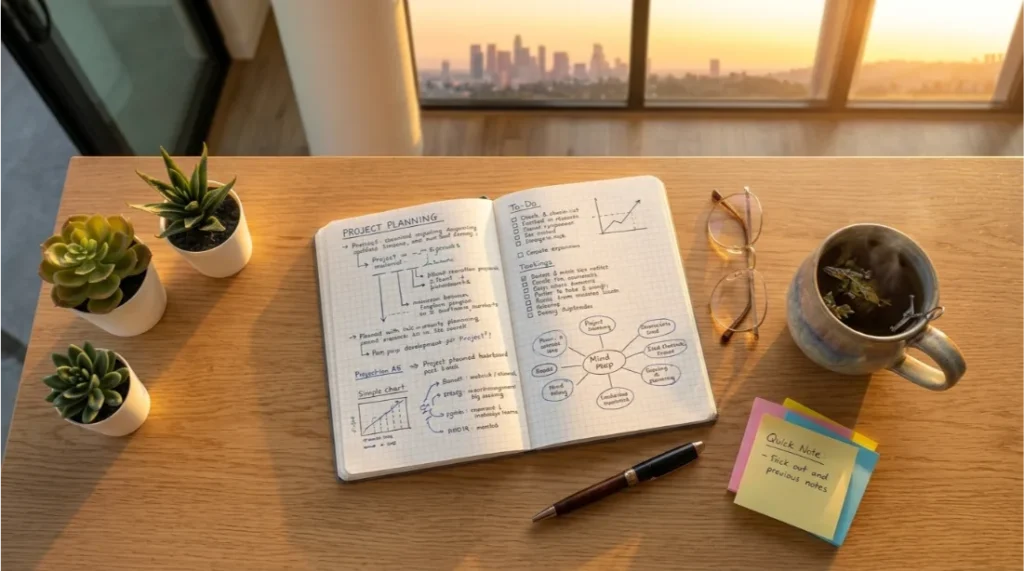
Write a “Brain Dump.”
If your mind is still buzzing, take five minutes to write down:
- Three thoughts that keep circling
- One small next step for each
- One closing line: “This can wait until tomorrow.”
Create an “I Did It” list.
Review what you actually accomplished today. Then update your to-do list with what you’ll tackle tomorrow. This simple act allows you to mentally bookmark your tasks you know you’ll get a fresh start on them in the morning.
Set a Specific Time Boundary
Decide on a time when you’ll stop checking work emails and notifications and actually stick to it. Let your coworkers know you’re unavailable after that time. “I that’s not checking emails after 6 p.m. or designating Sunday as a work-free day; having clear boundaries can train your brain to expect and respect downtime.”
Physical Transition Ideas
Sometimes the most effective way to shift your mindset is through your body. These physical actions can help your nervous system recognize that the workday is over.

Change Your Clothes
Getting out of your work clothes is one of the simplest yet most powerful transition signals. There’s something about slipping into comfortable clothes that immediately helps you relax. “This could be as simple as changing clothes when you get home,” notes one therapist.
Take a Shower
“A hot shower can help relax your muscles, ease tension, and give you a chance to ‘wash away’ the stress of the day,” says Rachel Stanton, LCSW. The warm water is soothing, and taking your time allows you to clear your mind.
Take a Short Walk
If you work from home, creating a “commute” by taking a brief walk or bike ride can help establish mental separation from your work environment. Even five minutes around the block can make a difference.
Wash Your Hands or Face Mindfully
Sometimes the smallest rituals carry the most weight. Washing your hands or splashing water on your face can serve as a gentle signal to your nervous system: the workday is behind you.
Change the Lighting
Lower the lights and switch to warmer lamps if you can. These subtle environmental shifts help your body recognize that evening has arrived.
Relaxing Activities to Unwind
Once you’ve made the mental shift away from work, these activities can help you truly settle into relaxation.

Cooking and Nourishing
Cook yourself a meal. “It gives you a moment to refuel and nourish your body, and the process of preparing a meal can be calming and therapeutic,” says Michelle English, LCSW. It doesn’t need to be gourmet; even a simple dish you enjoy can be a productive, healthy form of self-care.
Make a cup of tea. Brewing a comforting cup of herbal tea can be deeply calming. Some people create a tea ritual by using a special cup or choosing a tea they only drink after work.
Movement and Exercise
Do gentle movement. “Movement-based decompression like an evening walk, gentle stretching, or a fun dance session can help release built-up tension from the day while avoiding the sluggishness that screen time often brings,” Kushnir explains. Even ten minutes of yoga or a stroll around your neighborhood can shift your energy.
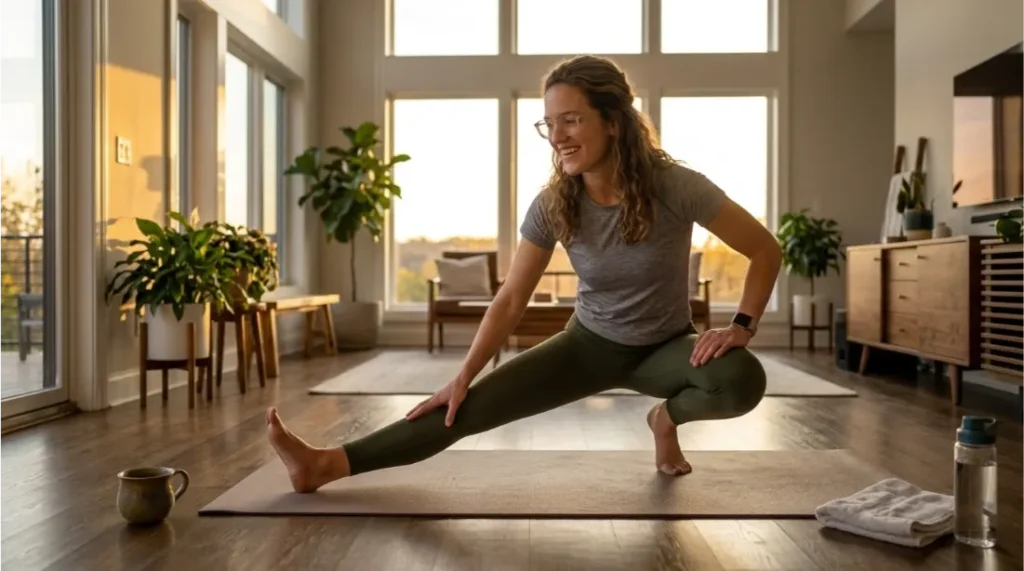
Try a dance session. Put on your favorite music and move around your living room. It releases endorphins and naturally lifts your mood.
Practice yoga or stretching. Yoga combines physical movement with mindfulness; it’s a proven way to reduce stress and release tension.
Creative Hobbies
Pick up a creative hobby. Activities that blend technique with imagination “can engage the mind in a refreshing, non-work-related way,” Kushnir says. Knitting, crocheting, painting, or other creative pursuits are meditative and boost dopamine while channeling active thoughts into enjoyable handiwork.

Read a physical book. Reading gives your brain a break from digital stimulation and can transport you somewhere else entirely. One Healthline editor shares: “I love reading a few magazine articles or a chapter of a book immediately after work. I didn’t realize just how beneficial it was to have an hour or so away from the internet earlier in the evening.”
Rest and Relaxation
Take a warm bath. Turn your evening shower or bath into a small ritual. Apply a hair mask, use your favorite body scrub, or simply enjoy the warm water.
Listen to calming music. Soft background music can create a cozy atmosphere without demanding your attention. An after-work playlist can also help your brain transition. Bonus: listening to music actually reduces cortisol levels.
Spend time outside. Step out for fresh air and natural light. A brief walk or just sitting on your balcony can help reset your internal clock and clear your mind.
Physical Self-Care After Work
Looking after your body after work helps release accumulated tension and promote genuine relaxation.
Get Some Exercise
Many of us spend our workdays hunched over computers. Our evenings offer a natural opportunity to move our bodies. Exercise in almost any form serves as a mood-boosting, endorphin-releasing stress reliever. Even a brisk 20-minute walk around the neighborhood can help clear your head and release pent-up stress.
Prioritize Sleep
“Sleep habits that are critical to implement early in your career include making sleep the utmost priority,” says Tammie Chang, MD. “Aim for a minimum of seven or eight hours a night. No job is worth sacrificing your well-being.”
Take Care of Your Body
Physical care matters immensely. Sleep, movement, and basic nourishment are often the first things to slip when work gets busy, even though they’re essential for resilience and focus.
Mental and Emotional Self-Care
Your mind needs care too. These practices help you process emotions and create space for yourself.

Journal Your Thoughts
“Journaling gives you a chance to unload everything that’s been on your mind during the day,” English says. You can write about frustrations, random thoughts, or things you’re grateful for. It’s a judgment-free space to express yourself, and it can be genuinely therapeutic.
Practice Mindfulness
Try a short guided meditation or simply sit quietly for five minutes. Mindfulness helps you notice stress earlier and respond with intention rather than running on autopilot.
Do a brain dump.
If you’re still struggling to “close the work tabs” in your mind, write down what’s on your mind or what you need to do tomorrow. In a study at Baylor University, people who listed unfinished tasks fell asleep 9 to 10 minutes faster than those who wrote about completed tasks.
Practice Gratitude
Take a moment to reflect on what went well today. It shifts your attention from stress to appreciation, which can change your entire evening mood.
Setting Boundaries After Work
Without clear boundaries, it’s nearly impossible to truly unwind after work.
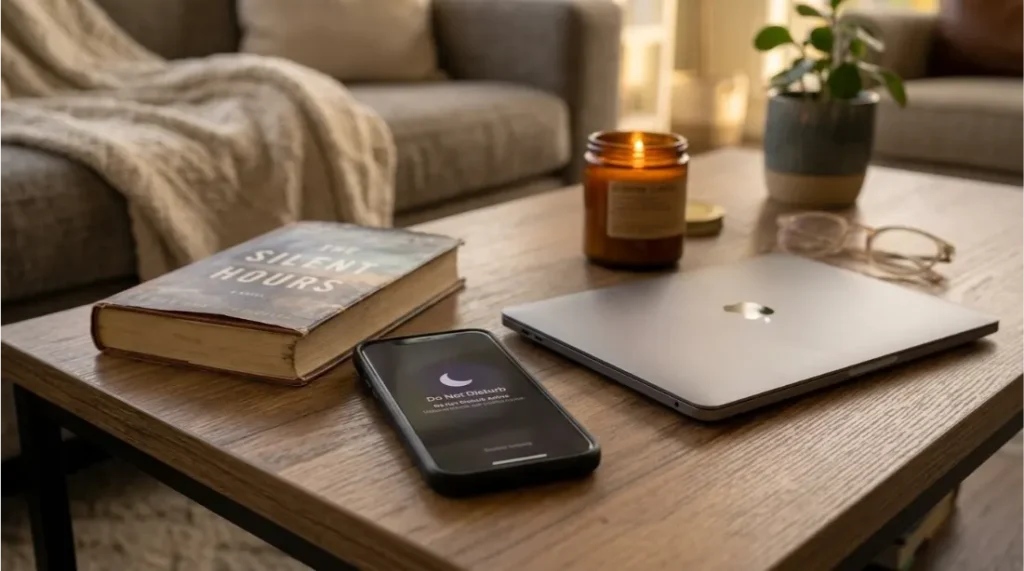
Unplug from Work
Keep your work computer and materials in a separate room from where you sleep. If that’s not possible, say you live in a studio apartment; even covering your laptop with something at the end of the day can help create mental separation.
Limit Screen Time
“Excessive tech use can set a tone of ‘sluggishness’ for your evening,” Kushnir warns. Research strongly suggests that blue light from devices disrupts our circadian rhythms, making it harder to fall asleep. Try to avoid screens for at least an hour before bed.
Set Guardrails for Your Time
Recovery often means taking back some control over your time and mental space. Clear boundaries around availability, workload, and daily routines can make work feel more manageable and reduce stress.
Protect Your Energy
Burnout often happens when people give too much for too long. You can care deeply about your work and still protect your energy. One person shares: “I now take at least one day off every week. I don’t put pressure on myself to go anywhere or do anything. Even though hustle culture makes us believe this is impossible, the best athletes in the world take rest days, and so can you.
Preparing for Tomorrow
A calmer morning starts the night before. These small preparations can reduce stress and help you sleep with a clearer mind.
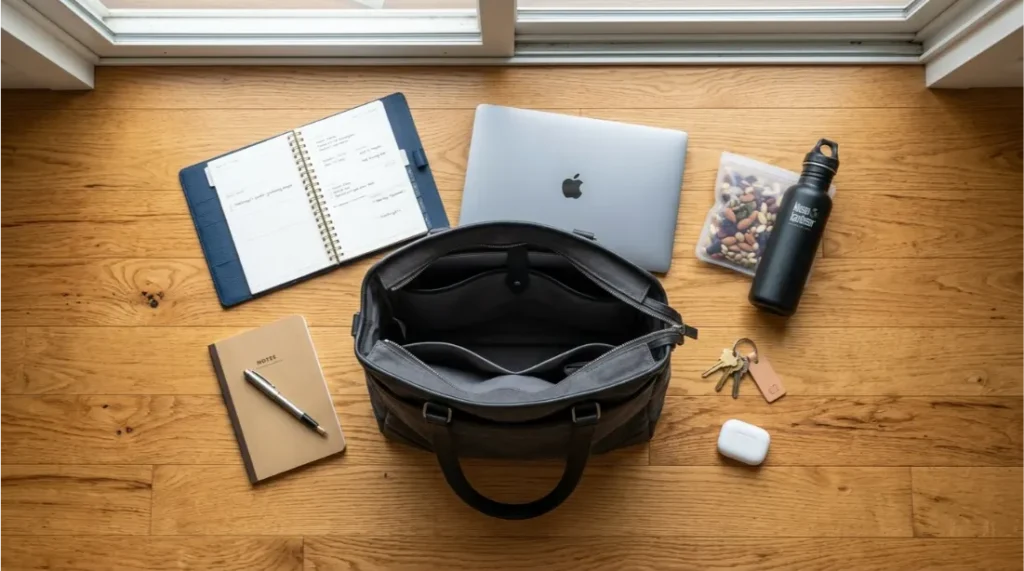
Lay out your clothes. Choose your outfit for the next day so you don’t have to make decisions in the morning.
Prepare breakfast ingredients. Get things ready so you can eat well without rushing.
Jot down a quick to-do list. Write down the main tasks you need to tackle tomorrow this gets them out of your head.
Make sure your work items are ready. Put everything you need into your bag or backpack so the morning rush goes more smoothly.
Create a clean ending. “A small boundary can feel like drawing the curtains on the day.” Give the day a clear closing note and allow yourself to rest.
How to Make After-Work Self-Care a Habit
Building a sustainable after-work self-care practice takes intention and a willingness to start small.
Start small. Even 15 to 30 minutes of dedicated self-care can make a difference. Consistency matters more than duration.
Schedule it. Put self-care directly into your calendar, just like important work meetings. Small, intentional blocks can have a big impact.
Follow a general routine. After your transition ritual, maybe you spend an hour on a hobby, cook with family, watch an episode of your current show, prep tomorrow’s breakfast, and do a skincare routine before bed. Routines help manage stress and reduce decision fatigue.
Honor what you need. Depending on your personality, you might crave company or solitude. Honor that. If you’re feeling isolated, call someone. If your day was full of social interaction, give yourself permission for quiet time.
Be kind to yourself. If you miss a day, just start again tomorrow. The comfort comes from repetition, not perfection.
Remember rest doesn’t need to be earned. “Reframing rest as a non-negotiable part of success has really shifted how I treat myself,” says Laura Henshaw. “You don’t need to earn your rest; you already deserve it.”
Frequently Asked Questions
1. Why is it hard to unwind after work?
Your brain stays in “work mode,” constantly filtering information, making decisions, and solving problems. Without intentional transition rituals, work thoughts follow you into your evenings. And 83% of U.S. workers report work-related stress, so you’re definitely not alone.
2. What are some quick ways to transition from work mode?
Close your laptop and put it away, change clothes, take a short walk, wash your face, light a candle, or say a transition mantra like “Work is done. I’m home now.” These small acts signal to your nervous system that the workday is over.
3. How can I decompress after a stressful workday?
Try gentle movement like walking or stretching, journaling your thoughts, cooking a nourishing meal, taking a warm bath, or engaging in a creative hobby. Even five minutes of deep breathing can calm your nervous system.
4. What if I work from home?
Create a “commute” by taking a walk or bike ride, doing a 15-minute yoga session, closing the door to your home office, or changing your clothing. Creating mental separation is even more important when you don’t physically leave work.
5. Should I avoid screens after work?
Yes. “Excessive tech use can set a tone of ‘sluggishness’ for your evening.” Blue light from screens disrupts your circadian rhythms and makes it harder to sleep. Swap screen time for reading, journaling, or creative hobbies.
6. How can I stop thinking about work after hours?
Try a “brain dump”: write down what’s on your mind and what you need to do tomorrow. Create a consistent shut-down ritual. Set time boundaries and actually stick to them.
7. What does the research say about after-work self-care?
Research shows that consistent self-care routines reduce stress and improve mental clarity. One national survey found that practicing self-care increased productivity by 67%, boosted confidence by 64%, and improved happiness by 71%. Taking time to recharge is essential for both mental and physical health.
8. Is rest really productive?
Yes. “Rest is productive,” says Laura Henshaw. “When I don’t give myself space to really recharge, I struggle with decision fatigue, creative blocks, and low moods. Taking the time to slow down helps me think clearly and show up better, not just at work but in life.” Studies consistently show that self-care increases productivity and well-being.
Key Takeaways
- Self-care after work means creating intentional rituals that signal to your brain the workday is over
- A shutdown ritual—closing your laptop, changing clothes, or saying a mantra—helps your nervous system recognize it’s time to unwind
- Physical transitions like walking, showering, or changing clothes help shift you from work mode
- Relaxing activities like cooking, reading, creative hobbies, and gentle movement release tension
- Clear boundaries around work communication are essential for truly unwinding
- Research shows consistent self-care reduces stress and improves mental clarity
- Even 15 to 30 minutes of dedicated self-care can make a meaningful difference

Conclusion
After-work self-care doesn’t need to be elaborate or time-consuming. The most effective practices are often the simplest ones, the small actions that help your brain transition from work mode to genuine rest.
“After a long day at work, establishing intentional unwinding habits is key to both mental well-being and sustainable relaxation.” If you take a shower, cook a meal, read a book, or just change into comfortable clothes; these small acts send a clear signal to your body: it’s time to rest.
Research consistently shows that consistent self-care reduces stress, improves mental clarity, and even boosts productivity. When you take time to recharge, you show up better for yourself and for the people who matter to you.
Try one practice from this guide tonight. Just one. Close your laptop and put it away. Take a short walk. Write down what’s on your mind. Change into comfortable clothes.
Small actions, repeated consistently, create real change. You deserve to genuinely rest after a long day. And the best part? It starts with simple choices you can make tonight.
Ready to Reclaim Your Evenings?
Pick one after-work self-care idea from this guide and commit to it for the next seven days. Write it down, set a reminder, and pay attention to how you feel. Your future self will thank you.
Medical Disclaimer
This article is for educational and informational purposes only and is not medical advice. Always consult with a qualified healthcare provider regarding any health concerns. If you’re experiencing severe or persistent stress, anxiety, or burnout, please seek professional support.

Hi, I’m Noah Richardson, the content writer behind LaxiBoost. I write about self-care and personal well-being to help people build healthier and more balanced lives. My goal is to turn trusted information, easy-to-follow advice that anyone can apply in daily life.
I believe self-care is more than an occasional activity it’s a lifelong habit that supports both mental and physical well-being. Through my articles, I share simple strategies, practical tips, and research-based insights to help you reduce stress, improve your daily routine, and take better care of yourself with confidence.
Thank you for reading LaxiBoost. I hope my content helps you create healthier habits and enjoy a happier, more balanced lifestyle.