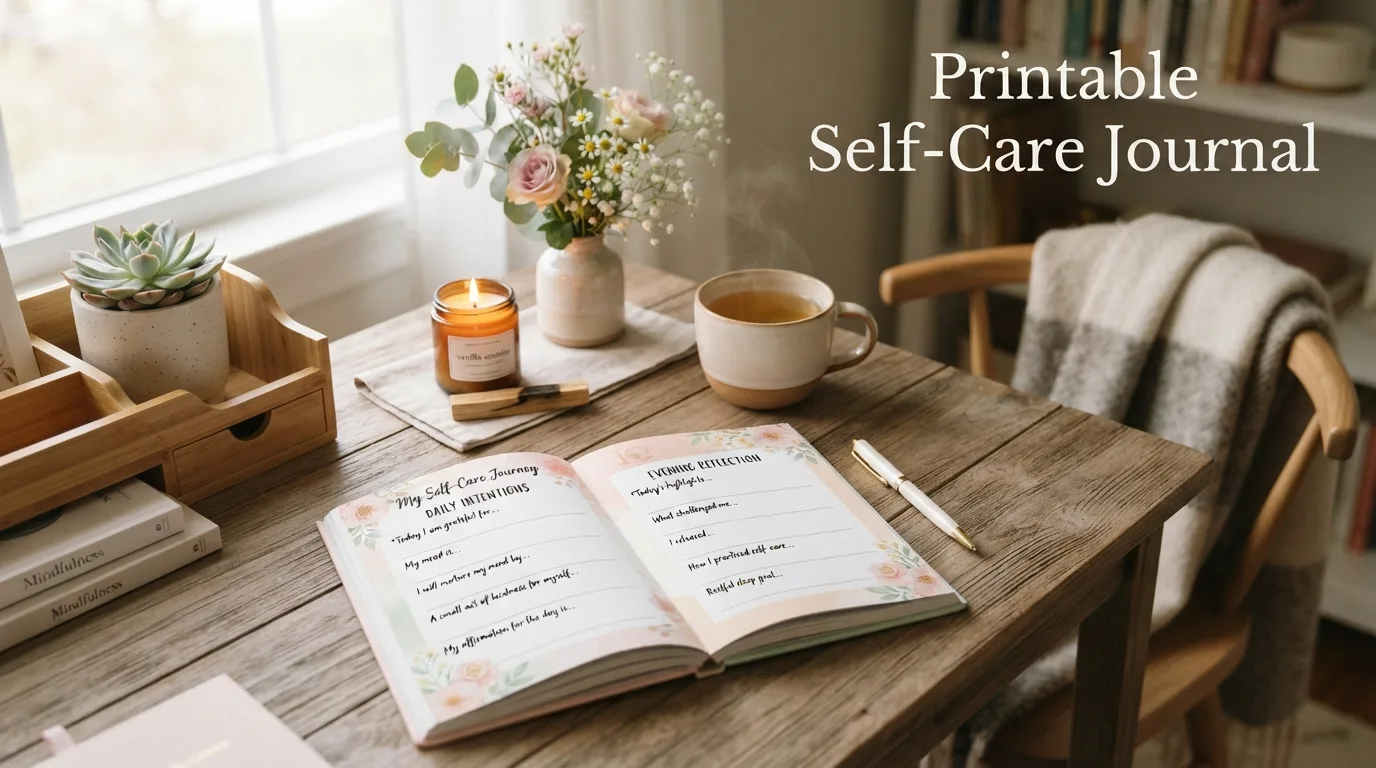
Have you ever reached the end of a long day, collapsed into bed, and realized you did not take a single moment for yourself? When you are constantly balancing work, family, and endless daily responsibilities, personal well-being usually gets pushed to the very bottom of the priority list. You might feel drained, anxious, or emotionally depleted, yet still feel guilty for wanting a break.
When we continuously neglect our own needs, chronic stress begins to build up silently. Over time, this constant strain can disrupt your sleep habits, drain your daily motivation, irritate your relationships, and leave you feeling completely disconnected from yourself. Struggling to maintain a healthy lifestyle does not mean you are failing or lacking discipline. It simply means your current routine is taking more from you than it gives back.
The good news is that restoring your mental wellness does not require expensive spa retreats or complicated, hour-long routines. Real relief often starts with small, intentional pauses. A printable self care journal provides an approachable, cost-effective way to check in with yourself, clear mental clutter, and rebuild a healthy routine—one page at a time. Research in expressional writing suggests that putting thoughts onto paper can significantly aid emotional regulation and lower daily stress levels.
In this comprehensive guide, you’ll discover:
- What a printable self care journal is and how it simplifies daily reflection
- Key mental and physical health benefits supported by lifestyle research
- Different types of journal layouts to match your personal goals
- A simple, step-by-step action plan to build a lasting journaling habit
- Common journaling mistakes to avoid and quick ways to overcome them
If you are ready to trade overwhelm for a gentle sense of clarity, let us explore how a few minutes with pen and paper can transform your day.
4. Core Article Body
What Is a Printable Self Care Journal?
A printable self care journal is a digital file—usually a PDF—containing structured pages designed to support your personal well-being. You simply download the file, print the pages at home or at a local print shop, and place them in a binder, clipboard, or notebook.
Unlike blank notebooks that can feel intimidating, a printable self care journal gives you gentle prompts, tracker templates, and guided spaces. These elements help you organize your thoughts without overthinking. Whether it includes a 5-minute morning check-in, a nightly gratitude log, or a water tracker, it serves as a flexible framework for your wellness journey.
Why It Matters Today
Modern life places continuous demands on our attention. Between work notifications, household chores, and digital distractions, your brain rarely gets time to rest. This ongoing overload often leads to emotional exhaustion and decision fatigue.
Using a physical paper journal creates a physical boundary against digital noise. Taking five minutes away from screens to hold a pen creates a tactile, grounding experience. It gives your mind permission to slow down, process the day, and regain a healthy mindset.
Key Health & Lifestyle Benefits
Incorporating a guided paper journal into your daily routine offers several practical advantages:
- Supports Stress Management: Writing about daily challenges helps transfer swirling thoughts out of your head and onto paper, reducing mental rumination.
- Encourages Sleep Habits: Clearing your mind with an evening reflection page can make it easier to wind down, supporting restful sleep.
- Promotes Mindfulness: Daily check-ins encourage you to pause and listen to what your body and mind need in the present moment.
- Sustains Healthy Habits: Visual trackers for water intake, gentle movement, and relaxation techniques keep you consistently accountable without feeling overly strict.
- Fosters Emotional Well-Being: Keeping a record of small daily wins and gratitude helps rewire your focus toward positivity and self-improvement.
Common Types & Layout Approaches
Self-care is not one-size-fits-all. Different printable pages cater to different personal needs:
- Daily Reflection Pages: Feature quick prompts focused on mood check-ins, top daily priorities, and morning affirmations.
- Habit & Routine Trackers: Visual grids designed to monitor water intake, sleep quality, medication, or daily walks.
- Gratitude & Positivity Logs: Focused sections encouraging you to write down three good things from your day.
- Prompted Mental Wellness Worksheets: Guided sheets aimed at processing specific emotions, working through anxiety, or setting personal boundaries.
- Weekly Wellness Overviews: Big-picture pages for planning meals, scheduling rest periods, and organizing work-life balance for the week ahead.
Step-by-Step Action Plan to Get Started
Starting your journal routine is simple and straightforward. Follow these steps to build a smooth, stress-free habit:
- Download and Print Your Pages: Choose a clean layout that matches your primary goal—whether that is stress relief, habit tracking, or daily gratitude.
- Organize Your Binder: Place your printed sheets into a three-ring binder, folder, or cute clipboard where they are easy to reach.
- Set a Dedicated Time: Pair your journaling with an existing habit. Fill out your page while sipping morning coffee or right after brushing your teeth at night.
- Keep It Brief: Spend no more than 3 to 5 minutes completing your prompts. The goal is consistency, not writing lengthy essays.
- Review Weekly: On Sunday evenings, take two minutes to look back over your week. Notice trends in your mood and celebrate small achievements.
Best Practices & Daily Habits for Long-Term Success
To turn your printable self care journal into a lasting, enjoyable habit:
- Keep Your Journal Visible: Store your paper and pen on your nightstand or desk so you never forget to use it.
- Focus on Honesty Over Neatness: Do not worry about handwriting or clean formatting. Write authentically about how you feel.
- Combine with Simple Relaxation Techniques: Take three slow, deep breaths before writing to help settle your nervous system.
- Adjust as Needed: If a specific page format feels unhelpful, swap it out for a different layout that better supports your current life stage.
Common Mistakes to Avoid
Many people stop journaling because of a few simple traps. Here is how to keep going:
- Expecting Perfection: Missing a day is completely normal. Do not abandon your journal just because you skipped a day or two; simply pick it back up.
- Overwhelming Yourself: Avoid trying to fill out five different sheets every morning. Start with one simple daily page.
- Turning It Into a To-Do List: A self-care journal is meant for self-reflection and rest, not for listing urgent household chores or work tasks.
Myths vs. Facts About Self-Care Journaling
- Myth: Journaling takes too much time out of a busy day.
- Fact: Guided printable templates require as little as 3 to 5 minutes daily to provide noticeable mental clarity.
- Myth: You must be a skilled writer to keep a self-care journal.
- Fact: Printable templates use bullet points, check boxes, and simple short-answer prompts that require no formal writing skills.
- Myth: Self-care journals are only helpful during a mental health crisis.
- Fact: Regular journaling builds long-term emotional resilience and helps maintain personal well-being during calm periods as well.
Expert Perspective & Real-World Application
Consider Sarah, a 38-year-old working parent who frequently felt overwhelmed by mid-afternoon. She constantly felt behind on tasks and found herself snapping at family members in the evening due to exhaustion.
Instead of attempting a drastic lifestyle overhaul, Sarah printed a simple daily self-care tracker. She placed it next to her coffee maker and spent three minutes each morning identifying one small daily act of rest—such as taking a 10-minute walk or drinking extra water.
Within two weeks, Sarah noticed a subtle shift. Having a visual reminder on paper helped her protect her energy, keep track of her healthy daily habits, and feel more present with her family.
People Also Ask (FAQ Section)
How does a printable self care journal help with daily stress?
A printable self care journal offers structured prompts that help externalize overwhelming thoughts and reduce mental clutter. By putting feelings on paper, you gain emotional perspective and lower daily anxiety levels.
How much time do I need to spend journaling each day?
You only need 3 to 5 minutes a day to fill out a structured printable journal page. Consistency is far more effective for your well-being than spending hours writing irregularly.
What should be included in a daily self-care printable?
A well-designed printable typically includes a mood tracker, hydration log, daily gratitude prompts, and space for personal affirmations. It may also feature quick check-ins for physical energy and emotional needs.
Can I use a self care journal if I am complete beginner?
Yes, guided printable journals are designed specifically to eliminate blank-page intimidation for beginners. The structured prompts tell you exactly what to write, making the process effortless.
What is the difference between a planner and a self care journal?
A standard planner focuses on scheduling tasks, meetings, and productivity goals. A self care journal focuses on your internal well-being, tracking mood, energy, gratitude, and healthy personal habits.
Summary & Medical Disclaimer
Key Takeaways
- Accessible & Simple: A printable self care journal provides clear structure so you can practice daily mindfulness without feeling overwhelmed.
- Small Steps Matter: Spending just 3 to 5 minutes writing each day supports stress management, sleep habits, and emotional clarity.
- Flexible for Your Life: Choose templates that fit your current needs—whether that means tracking habits, logging gratitude, or daily emotional check-ins.
- Focus on Consistency: Don’t worry about perfection or skipped days; treat your journal as a supportive, judgment-free tool.
Conclusion
Taking care of yourself should never feel like another exhausting chore on your to-do list. A printable self care journal offers a gentle, structured way to pause, check in with your body and mind, and nurture a healthier mindset. By dedicating just a few quiet minutes to yourself each day, you can rebuild your daily routine and protect your energy. Download a simple printable template today, grab your favorite pen, and take that comfortable first step on your wellness journey.

Hi, I’m Noah Richardson, the content writer behind LaxiBoost. I write about self-care and personal well-being to help people build healthier and more balanced lives. My goal is to turn trusted information, easy-to-follow advice that anyone can apply in daily life.
I believe self-care is more than an occasional activity it’s a lifelong habit that supports both mental and physical well-being. Through my articles, I share simple strategies, practical tips, and research-based insights to help you reduce stress, improve your daily routine, and take better care of yourself with confidence.
Thank you for reading LaxiBoost. I hope my content helps you create healthier habits and enjoy a happier, more balanced lifestyle.