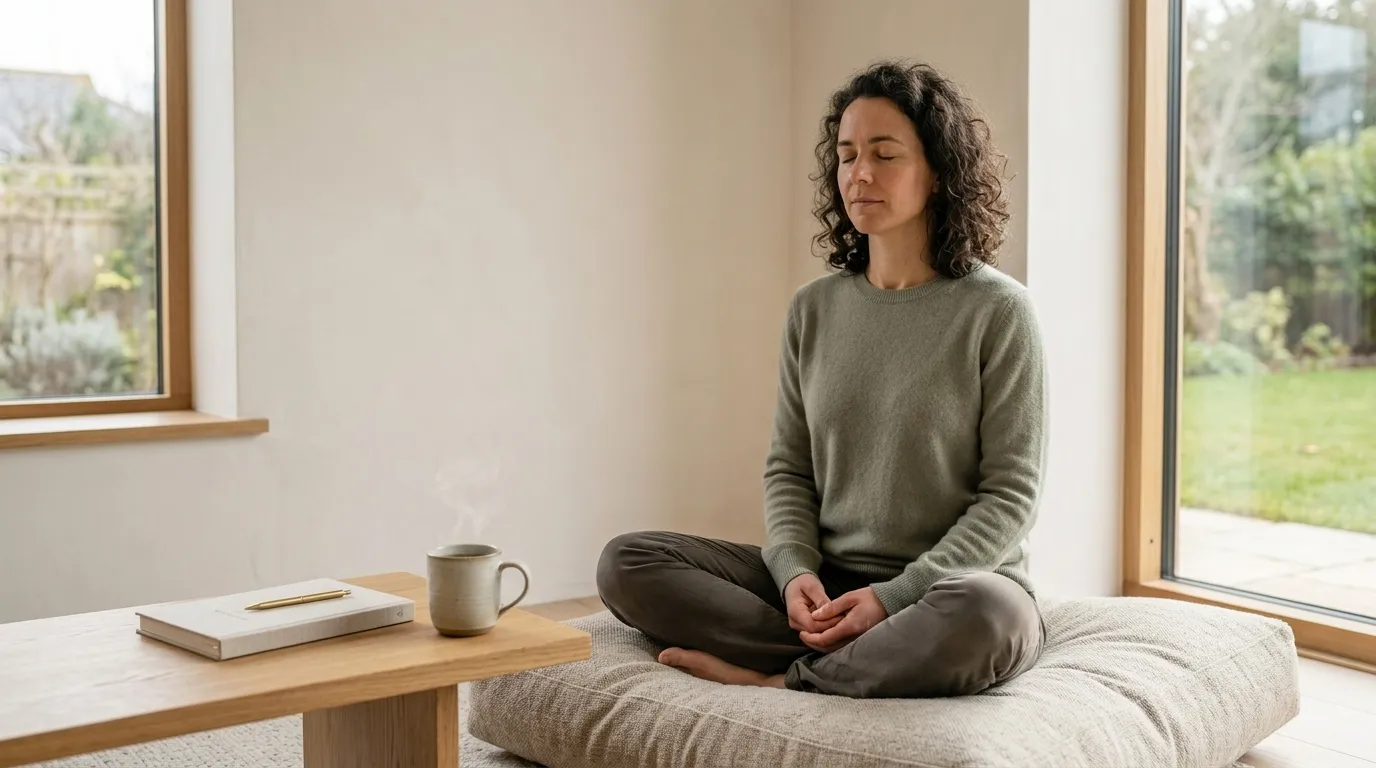
When life throws you a curveball, a difficult conversation, a job setback, or just an overwhelming day, how do you respond? Some people seem to handle stress with grace, while others find themselves reaching for unhealthy habits that only make things worse.
The difference often comes down to coping skills. Coping skills are strategies we learn to help regulate our emotions and navigate difficult situations. They are activities that help us deal with stressful situations. The good news is that coping skills aren’t something we’re born with; they are strategies we can learn and strengthen over time.
This guide covers:
- What healthy coping skills are and why they matter
- The main types of coping strategies
- Practical, evidence-based coping techniques you can use today
- Unhealthy coping habits to avoid
What Are Healthy Coping Skills?
Healthy coping skills are activities and strategies that help us manage stress in ways that support our mental, emotional, and physical well-being. They may not always bring instant gratification, but they relieve stress in the long run.
Healthy coping is about:
- Responding to stressful situations in a healthy capacity
- Promoting positive long-term change
- Staying present and working actively toward solving problems
Unhealthy coping skills, on the other hand, may feel good in the short term but are temporary distractions. In the long run, they wear you down and often make your stress worse.
Why Healthy Coping Skills Matter
Learning to cope in a healthy way can significantly reduce your stress and improve your overall quality of life. Taking small steps in your daily life to manage stress can have a big impact.
Benefits of healthy coping skills:
- Help you manage stress more effectively
- Improve your physical and psychological health
- Increase your ability to perform well in daily life
- Build resilience, the ability to bounce back when life throws challenges
- Prevent the negative health impacts of chronic stress
Without healthy coping strategies, we may fall into unhealthy habits that can lead to health, legal, financial, or mental health issues .
Types of Coping Skills
Coping strategies can take many different forms. Understanding these categories can help you choose the right approach for your situation.
Emotion-Focused Coping
Emotion-focused coping helps you manage the feelings that come up in response to stress. This approach is especially helpful when you can’t change the situation itself .
Examples: Going for a run, talking with a friend, journaling to process disappointment, or practicing meditation.
Problem-Focused Coping
Problem-focused coping involves identifying the source of stress and taking practical steps to address it. This works best when there are actions you can take to influence the situation.
Examples: Creating a to-do list, establishing healthy boundaries, working on better time management, or seeking professional advice.
Meaning-Focused Coping
Meaning-focused coping involves making sense of difficult experiences by shifting perspective or drawing on personal beliefs and values.
Examples: Reminding yourself that setbacks can be opportunities for growth, reflecting on what a challenging experience might be teaching you, or finding purpose in difficult times.
Socially Focused Coping
Sometimes coping means turning toward others for support. This involves leaning on your community when navigating stress or uncertainty.
Examples: Talking with a trusted friend, asking a colleague for advice, or joining a support group.
Healthy Coping Strategies to Try
Here are practical, evidence-based coping strategies you can start using today.
1. Practice the grounding technique.
This technique uses all five senses to bring focus and awareness to the present moment . By shifting your attention away from a stressful experience, you can clear your mind and work on productive solutions.
How to do it:
- 5 things you can see: Look around and notice five things, a pen, a photo, and a tree outside your window.
- 4 things you can touch: Acknowledge four things you can feel, like your hair, the ground beneath your feet, and a pillow.
- 3 things you can hear: Listen for three external sounds, a clock ticking, a car driving by, and a dog barking.
- 2 things you can smell: Notice two scents around you: the soap in the bathroom and fresh air from outside.
- 1 thing you can taste: Identify one thing you can taste, your morning coffee, toothpaste, or a snack.
2. Practice Naming Your Emotions
Research shows that naming your emotions can help calm down the limbic system, which reduces feelings of stress. This technique, known as affect labeling, can help you process what you’re feeling.
Try saying, “I’m feeling anxious about this meeting” or “I’m noticing frustration right now.” Simply naming the emotion can create distance and reduce its intensity.
3. Use the 4-6 Breathing Technique
Deep breathing brings oxygen to your muscles, which helps you feel calmer.
How to do it:
- Inhale for 4 counts
- Exhale for 6 counts
- Repeat several times
This simple technique can be used anywhere, anytime you feel stressed.
4. Move Your Body
Exercise releases physical tension while clearing your head and improving overall health. It releases feel-good endorphins, improves sleep, reduces physiological tension, and has been proven to help fend off the effects of many mental and physical health conditions.
Simple ways to move:
- Brisk walking (aim for 20-30 minutes)
- Dancing, gardening, or yoga
- A 10-minute walk to lower cortisol levels
You don’t have to do high-intensity workouts; even 30 minutes of moderate exercise three to five times a week is enough to see mental health benefits.
5. Journal Your Thoughts
Journaling can be a cathartic and insightful coping skill. It allows you to process emotions, clarify thoughts, and identify patterns. Writing helps externalize worries, organize thinking, and increase self-awareness, making emotions feel more manageable .
Journaling prompts:
- What am I feeling right now?
- What triggered this reaction?
- What story am I telling myself?
- What do I actually need?
6. Connect with Others
Seeking social connection with positive people in your network can help with feelings of loneliness and shame. It provides a sense of comfort, belonging, validation, and joy when you need it most.
Ways to connect:
- Call or talk with a trusted friend
- Join a support group
- Spend time with family
- Share your concerns with someone who listens without judgment
7. Practice Self-Compassion
Speak to yourself as you would to a friend. Research shows that people who practice self-compassion are better equipped to navigate stressful moments.
Try saying, “This is really hard right now, and that’s okay,” or “I’m doing the best I can.”
8. Get Outdoors
Spending time in nature is one of the best ways to cope with stress. Take a walk in a park or sit outside for a few minutes. Walking is a natural stress buster because it helps lower cortisol levels.
9. Progressive Muscle Relaxation
This technique involves systematically tensing and releasing muscle groups to release physical stress and tension.
How to do it:
- Start with your toes tense for 5 seconds, then release
- Move up through legs, abdomen, arms, and face
- Tense each area for 5 seconds before letting go
10. Practice Gratitude
Gratitude is one of the most effective tools for coping with stress. Practicing gratitude daily can improve your physical and emotional well-being.
Simple gratitude practice: Write down three things you’re grateful for each day. They can be simplea good cup of coffee, a kind word from a colleague, or a beautiful sunset.
11. Identify Your Triggers
By identifying the scenarios that trigger your negative emotions, you can develop a plan to deal with them. Observe when situations elicit strong emotional responses or cause physical symptoms such as a pounding heart or upset stomach.
Unhealthy Coping Skills to Avoid
Not all coping strategies are helpful. Some coping responses may feel good in the short term but are temporary distractions that wear you down in the long run .
Unhealthy coping skills to avoid:
| Unhealthy Coping | Why It’s Harmful |
| Drinking alcohol or using drugs | Temporarily numbs pain but creates new problems |
| Overeating or undereating | Can lead to health issues and an unhealthy relationship with food |
| Smoking or vaping | Harms physical health and doesn’t resolve stress |
| Avoiding problems or people | Allows stress to build up unresolved |
| Criticizing yourself (negative self-talk) | Worsens emotional distress |
| Aggressive behavior | Harms relationships and creates more stress |
As the CDC advises, choose not to drink, or drink in moderation, and avoid using drugs or tobacco products.
When to Seek Professional Help
Sometimes, despite our best efforts, stress and anxiety can become overwhelming. If you find that stress is making it hard to manage daily life, talk to a doctor or healthcare provider.
Seek professional support if you:
- Feel unable to cope with daily life
- Have persistent anxiety or depression
- Use alcohol or drugs to cope
- Have thoughts of harming yourself
- Find that self-care strategies aren’t enough
Counseling provides a non-judgmental space to address difficult situations. A therapist or counselor can guide you in regulating your emotions and equip you with healthy coping mechanisms to deal with challenges independently.
Frequently Asked Questions
1. What are healthy coping skills?
Healthy coping skills are strategies that help us manage stress in ways that support our mental, emotional, and physical well-being. They may not bring instant gratification, but they relieve stress in the long run.
2. What are examples of healthy coping strategies?
Examples include exercise, journaling, deep breathing, connecting with friends, practicing gratitude, spending time in nature, and seeking professional support when needed.
3. How are unhealthy coping skills different?
Unhealthy coping skills may feel good in the short-term but are temporary distractions that can make stress worse in the long run. Examples include drinking alcohol, overeating, avoiding problems, and negative self-talk.
4. Is exercise really helpful for stress?
Yes. Exercise releases physical tension, improves mood, releases feel-good endorphins, and reduces physiological tension. Even 10-15 minutes of moderate exercise can make a difference.
5. How does journaling help with stress?
Journaling helps process emotions, clarify thoughts, and identify patterns. Writing helps externalize worries, organize thinking, and increase self-awareness, making emotions feel more manageable.
6. When should I seek professional help for coping?
Seek help if you feel unable to cope with daily life, have persistent anxiety or depression, use substances to cope, or have thoughts of harming yourself.
Key Takeaways
- Healthy coping skills help you manage stress without harming your well-being
- Unhealthy coping may feel good short-term but makes stress worse long-term
- Different situations call for different coping approaches: emotion-focused, problem-focused, meaning-focused, or social
- Simple strategies like deep breathing, journaling, and exercise can make a real difference
- Grounding techniques like the 5-4-3-2-1 method help you stay present
- Social connection and professional support are signs of strength, not weakness
- Start with one or two strategies and build your coping toolkit over time
Conclusion
Healthy coping skills are essential tools for navigating life’s challenges. If you’re dealing with daily stress or major life changes, having a toolkit of effective coping strategies can help you respond with resilience instead of reacting from panic.
Start with one strategy from this guide today. Just one. Take a 10-minute walk. Write down your thoughts. Call someone you trust. Practice self-compassion.
Small actions, practiced consistently, build lasting resilience. You deserve to feel capable and strong even in the face of life’s hardest moments.
Medical Disclaimer
This article is for educational and informational purposes only and is not medical advice. Always consult with a qualified healthcare provider regarding any health concerns. If you are experiencing severe or persistent mental health issues, please seek professional support.

Hi, I’m Grace Mitchell, the content writer behind LaxiBoost.I believe that small daily habits can make a meaningful difference in how we think, feel, and live. Through LaxiBoost, I write about mental wellness, mindfulness, self-care, stress management, healthy habits, and personal growth in a way that’s simple, practical, and easy to understand. My goal is to turn reliable information into actionable guidance that anyone can apply in everyday life.
Every article I publish is carefully researched and written with readers in mind. If you’re looking to reduce stress, improve your mindset, or develop healthier routines, I hope LaxiBoost provides the support and inspiration you need on your wellness journey.
Thank you for visiting LaxiBoost and being part of this growing community.